Cultural Fusion Cabinet Design: Blending Global Aesthetics for Custom Storage
Explore how cultural fusion design creates unique custom cabinets. Discover global aesthetics, material blending, and techniques for the international market.
Cultural Fusion in Design: Global Aesthetics for Custom Cabinets
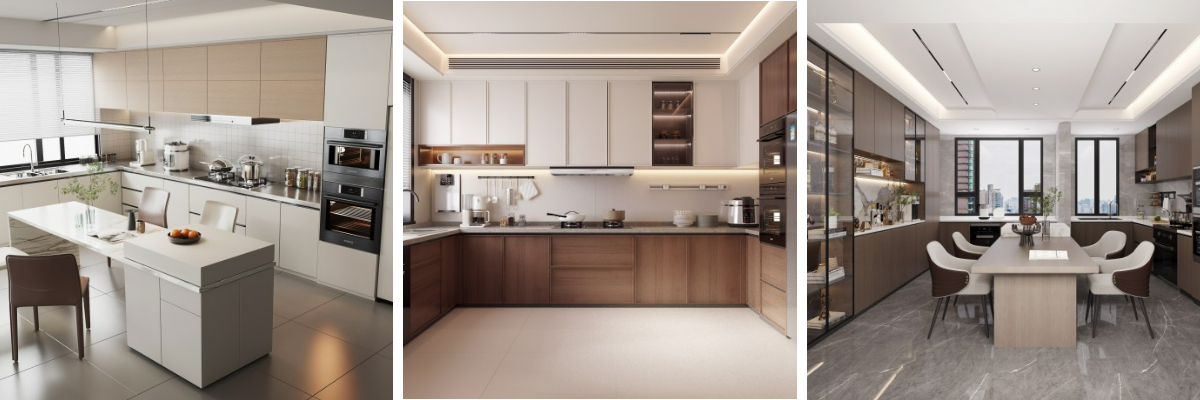
The narrative of interior design is being rewritten in an interconnected world. No longer confined by regional boundaries, today's most compelling spaces draw from a rich, global palette of influences. Nowhere is this more evident than in the kitchen, the heart of the home, where custom cabinetry serves as the perfect canvas for this aesthetic convergence. Cultural fusion design is evolving from a niche trend into a defining principle for the high-end residential market worldwide. This movement represents a significant opportunity for manufacturers, exporters, and designers to create cabinetry that resonates across cultures by synthesizing timeless traditions with contemporary innovation. This article examines the principles and practices of integrating global aesthetics into custom cabinet creation for an international audience.
Understanding the Philosophy of Cultural Fusion
Beyond Aesthetic Borrowing: Achieving Synthesized Design
Successful cultural fusion in cabinetry avoids superficial appropriation or pastiche. The goal is not to create a "theme" but to achieve a synthesis where influences are so harmoniously integrated that the origin becomes secondary to the cohesive whole. This requires a deep, respectful understanding of the underlying principles of each source—the philosophy of space, the relationship with materials, and the rituals of daily life.
For instance, the Japanese concept of Wabi-sabi, which finds beauty in imperfection and transience, can profoundly dialogue with Scandinavian hygge, which emphasizes comfort and simple contentment. A custom cabinet line might embody this through sleek, minimalist Danish drawer fronts crafted from pale oak, paired with a finish inspired by Japanese Shou Sugi Ban (charred wood) technique, applied subtly to highlight grain rather than dominate it. This approach results in global aesthetics for custom cabinetry that feel both familiar and entirely new, appealing to a universal sense of refined tranquility.
The Balancing Act: Harmony, Contrast, and Functionality
True fusion is an exercise in balance. It involves negotiating contrasts—between bold and subtle, ornate and plain, warm and cool—to create a dynamic yet stable composition. A cabinet design might marry the intricate geometric patterns (Girih) found in Islamic architecture with the clean, functional lines of German modernism. This could be realized through laser-cut metal panels with a geometric motif used as inserts within otherwise plain, handle-less slab doors.
Functionality remains paramount. Designers must consider how different cultures utilize kitchen space. The storage needs for woks and steamers differ from those for pasta makers and espresso machines. A culturally fused cabinet system must offer versatile, innovative storage solutions for global kitchens that accommodate diverse culinary lifestyles without compromising on aesthetic unity or workflow efficiency.
Practical Pathways for Integrating Global Aesthetics
Material Dialogues: The Core of Tangible Fusion
Materials are the most direct medium for expressing cultural fusion. The thoughtful combination of sourcing and processing techniques tells a compelling story.
Exemplary Material Fusion:
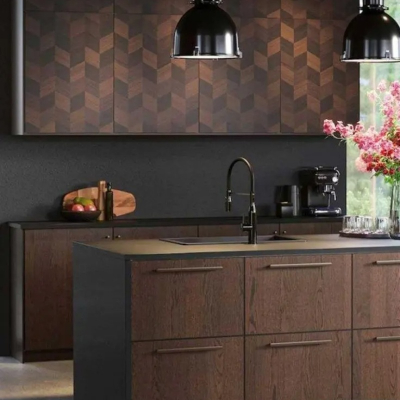
tone and Wood: Combine the solemnity of honed Chinese slate countertops with the warmth of American black walnut cabinetry. The slate provides a cool, grounded prep surface, while the walnut, perhaps finished with a Danish soap treatment to enhance its grain, brings organic warmth to vertical surfaces.
Textile and Lacquer: Incorporate the vibrant, hand-embroidered textiles of India or Mexico into cabinet design. This could involve using fabric as a drawer liner in a display cabinet or, more innovatively, sealing embroidered panels under a crystal-clear, durable lacquer on cabinet door fronts, merging tactile craft with a modern, protective surface.
Metal and Glass:Fuse the forged iron traditions of Southern Europe with the refined glasswork of Murano or modern industrial glass. This might manifest as cabinet frames with a hand-forged texture and patina, enclosing panels of sleek, back-painted glass or textured glass tiles.
Form and Detail: Silhouettes and Craftsmanship
The shape of cabinets and the details of their construction offer another layer for fusion.
Case Study 1: Anglo-Japanese Fusion
Core Idea: Blend the robust, furniture-like proportions of traditional English cabinetry with the lightness and precision of Japanese joinery.
Execution: A kitchen island might feature the substantial plinth and framed structure of a British dresser, but its doors are constructed using delicate Kumiko latticework (thin wooden strips assembled without nails) set within the frames. The hardware could be discreet, handmade bamboo pulls, aligning with the Japanese ethos of subtlety.
Case Study 2: Mediterranean Rustic meets Mid-Century Modern
Core Idea: Merge the sun-bleached, textured charm of Mediterranean farmhouses with the elegant, organic shapes of 1950s Brazilian design.
Execution: Base cabinets could have the simple, recessed panel doors typical of a Mediterranean style, but made from richly grained Peroba wood (common in mid-century Brazilian furniture) with a light, matte finish. Upper cabinets might take the form of sleek, wall-mounted shelves with tapered legs, inspired by the work of designers like Sergio Rodrigues, providing an airy counterpoint to the grounded bases.
The Role of Color and Pattern
Color theory varies across cultures, and intentional fusion can yield stunning results. The earthy terracotta and ochre of the Moroccan Sahara can be balanced with the cool, misty blues and greys of the Nordic coast. This palette could be applied through a two-tone cabinet scheme or through the strategic use of hand-painted *Zellige* tiles on a cabinet's end panel or backsplash, introducing a crafted, luminous texture against a serene background.
Manufacturing & Sourcing for the Global Market
For exporters and manufacturers, this trend necessitates a new approach to the supply chain and craftsmanship.
Collaborative Artisan Networks: Partnering with specialist artisans worldwide is key. This might involve sourcing hand-turned ceramic knobs from Portugal, commissioning custom brass pulls from a foundry in India, or employing master carvers in Indonesia for specific decorative elements.
Hybrid Production Techniques: Utilize modern CNC machining for perfect consistency in cabinet carcasses and doors, then apply hand-applied finishes like lime wash, milk paint, or manual distressing to impart soul and a sense of heritage.
Adaptive Design Platforms:Offer a modular cabinet system for international homes that allows for regional customization. A standard frameless cabinet box can be fitted with a choice of frontals that range from Shaker (globally popular) to flush-style with Asian-inspired latticework or South American-inspired veneer patterns.
Conclusion: The Universal Language of Thoughtful Design
Cultural fusion in custom cabinetry is more than a stylistic choice; it is a response to our globally-aware contemporary life. It reflects a world where experiences, travels, and heritage intertwine. For businesses in the international cabinetry trade, mastering this design language is not about creating a single product for all markets, but about developing the sensibility and technical capability to create deeply personalized, culturally resonant pieces for diverse clients.
The ultimate success of a culturally fused custom cabinet project lies in its ability to feel both eclectic and coherent, ancient and contemporary, local and global—all while fulfilling its functional role flawlessly. By moving beyond imitation to achieve true synthesis, manufacturers can deliver cabinetry that tells a unique story, creating kitchens that are not just places for cooking, but sanctuaries that reflect the interconnected spirit of our time. This is the powerful value proposition for the discerning global market.