What Kitchen Design Never Goes Out of Style?
Explore the enduring elements of timeless kitchen design for international trade. Discover classic styles, materials, and layouts that maintain global appeal and market demand.
What Kitchen Design Never Goes Out of Style?
In the fast-paced world of interior design, where trends emerge and fade with the seasons, the question of what constitutes a truly timeless kitchen design is more relevant than ever—especially for manufacturers, exporters, and suppliers in the global home furnishings market. While specific finishes and hardware may cycle in popularity, certain foundational design principles have demonstrated unwavering appeal across cultures and decades. These enduring styles form a reliable foundation for product development and export strategy, ensuring that investments in materials, craftsmanship, and innovation meet consistent, long-term demand. This article explores the core elements of classic kitchen aesthetics that continue to resonate with homeowners and designers worldwide, providing a stable framework for businesses in the international trade sector.
The Hallmarks of Enduring Kitchen Aesthetics
A timeless kitchen is not defined by a fleeting trend but by a harmonious blend of functionality, quality, and subtle elegance. It transcends geographical borders, appealing to a common desire for beauty, durability, and serenity in the heart of the home. For exporters, focusing on these universal principles means catering to a stable, perennial market segment that values longevity over novelty.
1. The Unwavering Dominance of The Shaker Style
Perhaps the most definitive answer to the question of enduring style is the Shaker kitchen cabinet. Characterized by its simple, five-piece door with a recessed center panel, clean lines, and exceptional craftsmanship, the Shaker design is a global staple. Its versatility is its greatest strength. It serves as a perfect canvas, equally at home in a modern traditional kitchen style when painted in crisp white or classic gray, or in a more rustic setting when rendered in natural wood stains like oak or walnut.
From a trade perspective, the demand for Shaker-style cabinetry remains consistently high across North America, Europe, and increasingly in sophisticated Asian markets. Its manufacturing is well-understood, and its compatibility with various hardware—from minimalist bar pulls to classic knobs—allows for easy customization to meet regional preferences without altering the fundamental, in-demand product.
2. The Power of A Neutral Color Palette
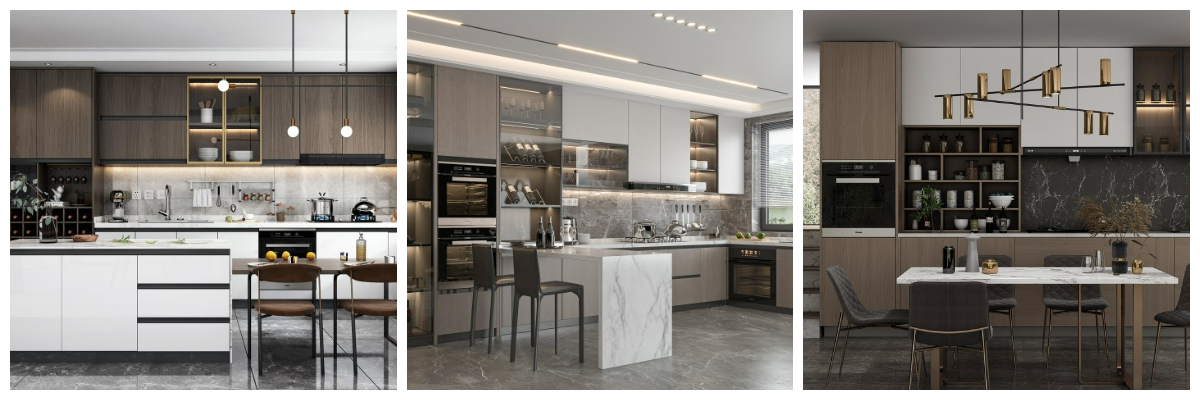
Color trends come and go, but the authority of a neutral foundation is unchallengeable. White, off-white, soft gray, and beige kitchens maintain a dominant position in classic kitchen design schemes. These colors create a sense of space, light, and cleanliness—universal priorities in kitchen planning. They provide a timeless backdrop that allows homeowners to introduce personality through changeable elements like textiles, artwork, or small appliances.
For suppliers of countertops, tiles, and painted finishes, a core offering in these neutral tones is commercially essential. A neutral kitchen color scheme ensures broad market applicability. Furthermore, materials like white quartz or Carrara-marble look-alikes for countertops, and subway tile for backsplashes, are perennial export favorites because they anchor this timeless palette with equally enduring materials.
3. Investment in Natural and Durable Materials
Timelessness is inextricably linked to quality and authenticity. Surfaces that age gracefully and perform reliably never lose their appeal.
Countertops:Natural stone, especially granite and quartzite, along with high-quality engineered quartz, remain top choices for durable kitchen countertops. Their inherent beauty and strength speak to a global desire for permanence and value.
Flooring: Hardwood flooring or high-fidelity porcelain wood-look tiles are timeless choices that warm the space and connect it to natural elements.
Backsplashes: The classic white subway tile, laid in a simple offset or herringbone pattern, is a quintessential element. For more texture, neutral-toned handmade zellige or crackle-glaze tiles offer enduring charm.
The export market for these premium, natural materials is robust. They represent the category of long-lasting kitchen materials that buyers are willing to invest in, making them cornerstone products for international trade.
Functional Layouts: The Timeless Foundation
Beyond aesthetics, a truly timeless kitchen is rooted in ergonomic and efficient design. The legendary "work triangle"—connecting the sink, refrigerator, and cooktop—remains a foundational principle for a functional layout. While modern, open-plan kitchens may adapt this concept into multiple zones (prep, cooking, cleaning), the underlying focus on logical workflow is permanent.
For manufacturers of kitchen fixtures and appliances, this underscores the importance of designing for intuitive use and flexible integration. The growing integration of functional and timeless kitchen layouts with smart technology must be seamless, preserving clean lines and ease of use rather than compromising them.
4. The Enduring Appeal of Integrated Appliances
The desire for a streamlined, cohesive look has made integrated appliances a lasting trend verging on a timeless standard. Concealing refrigerators and dishwashers behind cabinetry panels maintains the clean, unbroken lines of the kitchen design. This sustained demand creates a stable niche for manufacturers of panel-ready appliances and the specialized hardware required for their installation.
5. Balanced Lighting: Ambient, Task, and Accent
A well-lit kitchen is a timeless kitchen. A layered lighting scheme is a non-negotiable element of high-quality design. This includes:
Ambient lighting (e.g., recessed ceiling lights) for overall illumination.
Task lighting (e.g., under-cabinet LED strips) focused on countertop workspaces.
Accent lighting (e.g., a statement pendant over an island) for visual interest and warmth.
The global market for energy-efficient, high-CRI (Color Rendering Index) LED lighting solutions for these applications is vast and growing, representing a key adjacent sector for kitchen-focused traders.
Conclusion: Building a Timeless Export Strategy
For businesses engaged in the international trade of kitchen products, focusing on timeless design is a strategy of stability and foresight. By prioritizing the core elements—Shaker-style cabinetry, a neutral color palette, natural and durable materials, functional layouts, integrated appliances, and balanced lighting—companies can build product lines with enduring relevance.
The goal is not to ignore trends but to distinguish them from the foundational styles that form the backbone of global demand. A timeless modern kitchen synthesizes these enduring elements with contemporary innovations in performance and sustainability. By offering the quality, versatility, and aesthetic longevity that these classic principles represent, exporters and manufacturers can ensure their catalogs resonate with a broad, international audience for years to come, answering the perennial question of style with products that are built to last.