2026 Custom Kitchen Cabinets Cost Guide | Global Trends & B2B Insights
2026 Custom Kitchen Cabinets Cost Guide | Global Trends & B2B Insights
Unlock the definitive 2026 cost analysis for global custom kitchen cabinets.
Access key market data, technology trends, and strategic B2B procurement insights to optimize your supply chain. Request the full report.
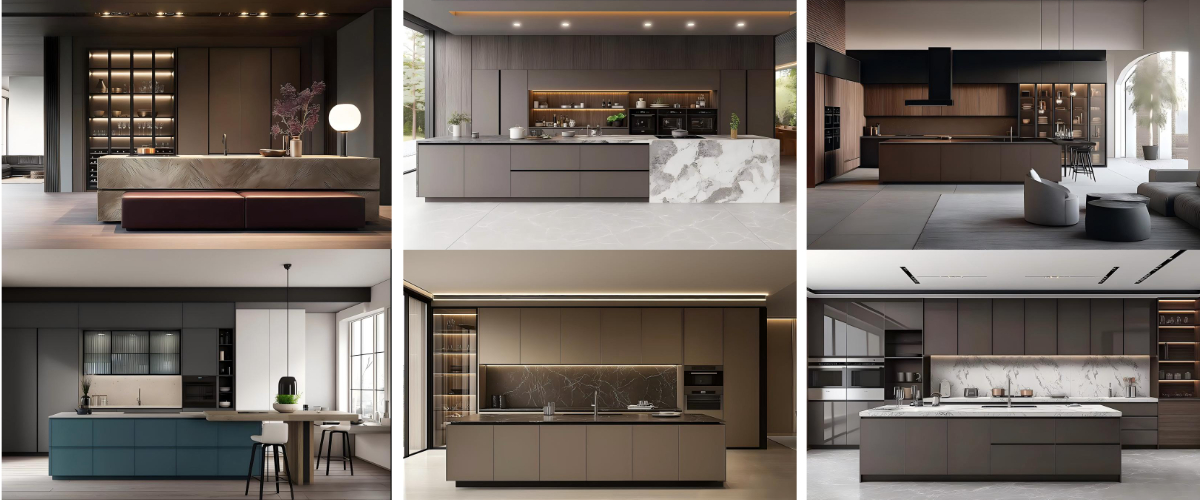
The Definitive Guide to Custom Kitchen Cabinets Cost: What to Expect in 2026
As the global construction and interior design sectors continue their post-pandemic evolution, the market for custom kitchen cabinets stands at a pivotal juncture. For international B2B buyers—including property developers, wholesale distributors, and large-scale remodeling contractors—navigating the complex cost landscape requires foresight and precision. This guide provides a comprehensive analysis of the key factors that will define custom kitchen cabinet pricing in 2026, blending macro-industry trends with granular technical and commercial insights to inform your procurement strategy.
Global Market Context and Key Cost Drivers
The international custom cabinetry industry is projected to reach a value of USD 23.5 billion by 2026, driven by sustained demand in North American and European renovation markets, coupled with explosive growth in Asia-Pacific’s premium residential sector. However, this growth is tempered by persistent macroeconomic pressures. **Fluctuating raw material costs**, particularly for high-grade plywood, engineered woods, and hardware components, remain the primary variable. Geopolitical factors influencing timber supply chains and metal alloys for hinges and slides continue to inject volatility. Furthermore, a global shortage of skilled labor in fine woodworking and installation is pushing manufacturing labor costs upward by an estimated 5-7% annually. For the discerning B2B buyer, understanding these foundational pressures is the first step in accurate **budgeting for luxury kitchen cabinet projects**.
Technical Parameters and Product Structure Analysis
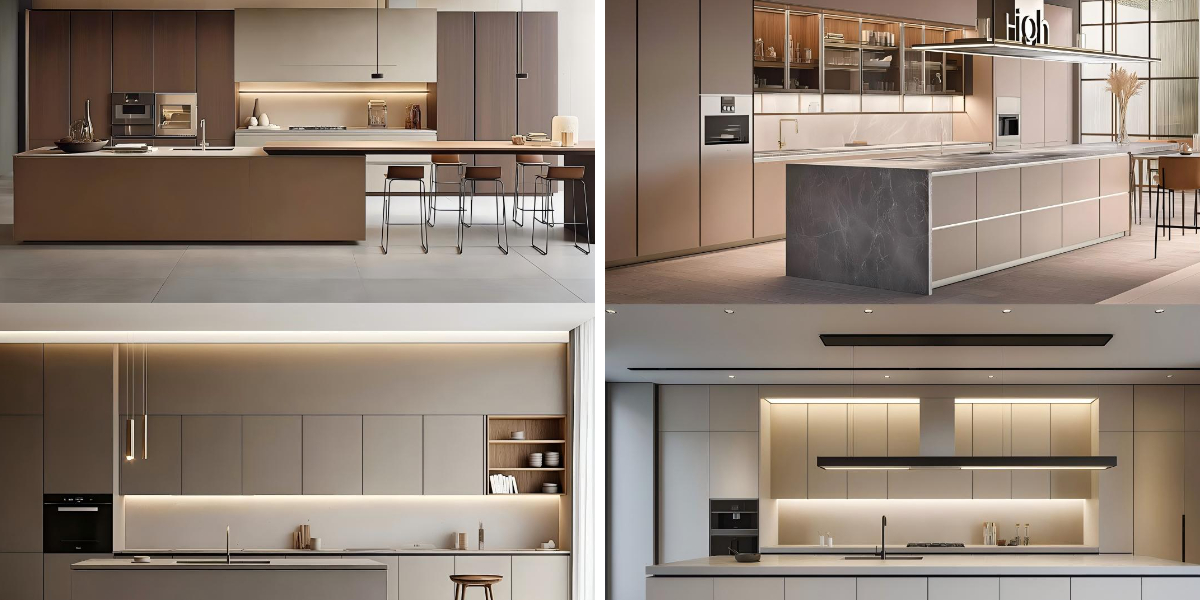
A custom cabinet's cost is intrinsically linked to its technical specifications and build quality. The **product structure of a premium custom cabinet** typically comprises several cost-centric layers:
1.Box Construction:Choices range from economical particleboard with laminate to premium, furniture-grade plywood or solid wood (e.g., maple, oak, walnut). The joinery technique—dovetail vs. staple—significantly impacts both durability and price.
2.Door Style and Material:This is the primary aesthetic and cost driver. Options include:
Thermofoil (Low-Mid Range):Cost-effective, durable, but limited in high-end design.
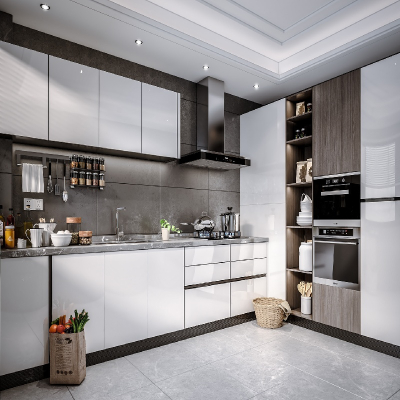
Acrylic or High-Gloss Lacquer (Mid-High Range):Offers a modern look; cost depends on the substrate and finish complexity.
Solid Wood (Premium Range):The gold standard, with cost varying dramatically by wood species and hand-finishing details.
3.Hardware:The "engine" of the cabinet. Soft-close hinges and full-extension drawer slides from brands like Blum, Grass, or Hettich are now a market standard but add a predictable, essential cost component. Integrated solutions for **smart kitchen storage solutions** (pull-out racks, corner systems) further add value and cost.
4.Finish and Detailing:Custom stains, multi-step painting processes, and hand-distressing are labor-intensive and a major cost variable.
Emerging Trends Shaping Future Investment
Beyond traditional metrics, several evolving trends will command a price premium in 2026:
Sustainability as Standard:International buyers increasingly mandate **certified sustainable kitchen cabinet materials**, such as FSC-certified woods and low-VOC finishes. This ethical sourcing often carries a cost increment but is non-negotiable for many developed markets.
Technology Integration:The line between cabinetry and appliance is blurring. Demand is rising for cabinets with integrated wiring for LED lighting, built-in charging stations, and even **motorized cabinet hardware for modern kitchens**. This requires closer collaboration between cabinetmakers and electronics suppliers, affecting both design and cost.
Manufacturing Innovation:Leading factories are adopting CNC machining and robotic finishing for complex **custom modular cabinet designs**. This technology allows for greater precision and customization at scale, potentially offering cost efficiencies on complex, repeatable orders.
Hybrid and Modular Customization:The market is shifting towards **semi-custom kitchen cabinets with premium features**. This model offers a wider range of sizes, finishes, and accessories than stock cabinets but within a more controlled manufacturing framework, providing a compelling cost-to-customization ratio for volume buyers.
International Buyer Preferences and Procurement Pain Points
Understanding the nuanced demands of global buyers is crucial for cost forecasting.
Preferences:Buyers from the EU and North America prioritize material authenticity, soft-close hardware, and sophisticated finish options. Buyers in the Middle East and parts of Asia often favor bold designs, high-gloss finishes, and larger, more ornate profiles. A universal preference is for suppliers who offer comprehensive kitchen cabinet technical specifications and clear, scalable pricing models.
Key Pain Points:
1.Hidden Costs:Unclear quotes that exclude shipping, duties, or installation hardware.
2.Inconsistent Quality:Variability in finish or construction between batches, leading to project delays.
3.Long Lead Times and Logistics Complexity:Delays in production or customs clearance disrupt tight project schedules.
4.Communication Gaps:Difficulty in managing specifications and changes across languages and time zones.
Navigating the Manufacturing and Sourcing Process
A streamlined sourcing process is vital for cost control. The journey typically involves: Design & Specification Finalization > Request for Quotation (RFQ) & Prototyping > Production & Quality Control Inspections > Logistics & Incoterms Agreement > Final Delivery and Installation Support. Savvy buyers are building longer-term partnerships with manufacturers who demonstrate transparency at each stage, particularly in providing in-process quality checks, which reduces the risk of costly rejections upon arrival.
B2B FAQ: Your Sourcing Questions Answered
Q1: What is the single largest factor that will cause custom cabinet costs to increase from 2025 to 2026?
A: We anticipate that the cost of premium, stable sheet materials (like Baltic Birch plywood) and specialized hardware will see the most significant upward pressure due to ongoing supply chain recalibration and energy costs, potentially adding 4-6% to the core material cost of a project.
Q2: How can we ensure consistent quality across multiple large-volume shipments?
A: Partner with manufacturers who have documented, ISO-aligned quality management systems. Insist on pre-shipment inspection reports (with photos/videos) for each batch and consider contracting a third-party inspection service for critical milestones.
Q3: Are "smart" or motorized cabinet features now a standard request, and how do they impact lead times?
A: While not yet standard, demand is growing rapidly in high-end projects. These features require early design integration and can extend lead times by 10-15% due to specialized sourcing and assembly. Clear communication of these requirements at the RFQ stage is essential.
Ready to Translate Insights into Action?
Forecasting your cabinetry investment requires data-specific to your project scope, design complexity, and target market. Move beyond estimates with precision.
Contact our global trade specialists today to request a detailed, project-specific quotation for 2026 delivery, complete with full technical data sheets and arrangements for sample acquisition.** Let us help you build a predictable, high-quality, and cost-effective supply chain for the year ahead.