Modern Kitchen Island Design: Trends, Materials & Global Buyer Guide
Explore global trends, technical specifications, and buyer insights for modern kitchen islands. Learn how to choose the perfect design for international procurement.
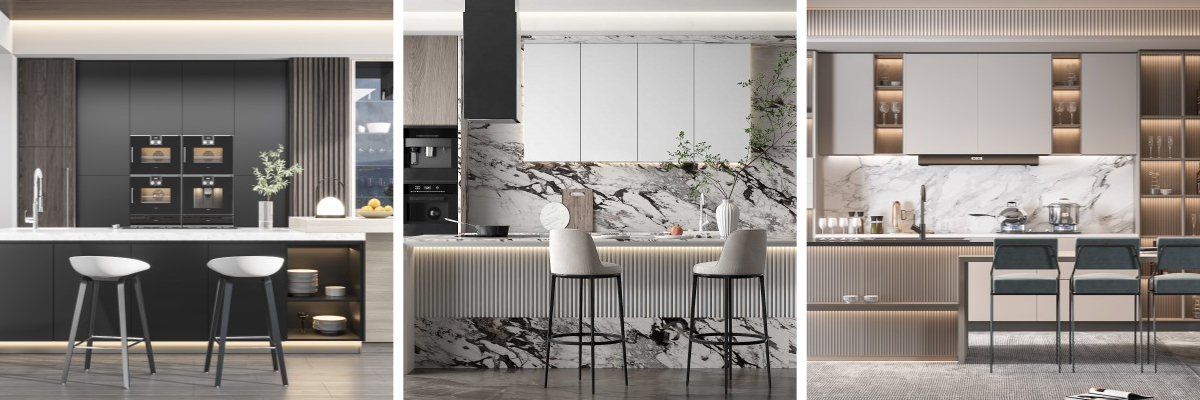
Modern Kitchen Island Ideas: Choosing the Perfect Design for Your Home
The kitchen island has transcended its utilitarian origins to become the undisputed centerpiece of the modern home. In the global home furnishings market, it represents a critical convergence point of design innovation, material science, and evolving consumer lifestyles. For international B2B buyers—including retailers, project developers, and wholesalers—understanding the nuances behind contemporary kitchen island design is essential for curating successful product lines. The global kitchen island market is experiencing sustained growth, driven by urbanization, the rise of open-plan living, and increased investment in residential remodeling. This article provides a comprehensive analysis of modern kitchen island ideas, focusing on the technical, design, and procurement considerations that define today’s international marketplace.
Global Market Context and Evolving Design Trends
The demand for integrated, multi-functional living spaces continues to shape kitchen design worldwide. The kitchen island is no longer a mere appendage but a strategic hub for cooking, dining, socializing, and even remote work. From a procurement perspective, this shift necessitates a focus on versatility and aesthetic coherence with broader interior design themes.
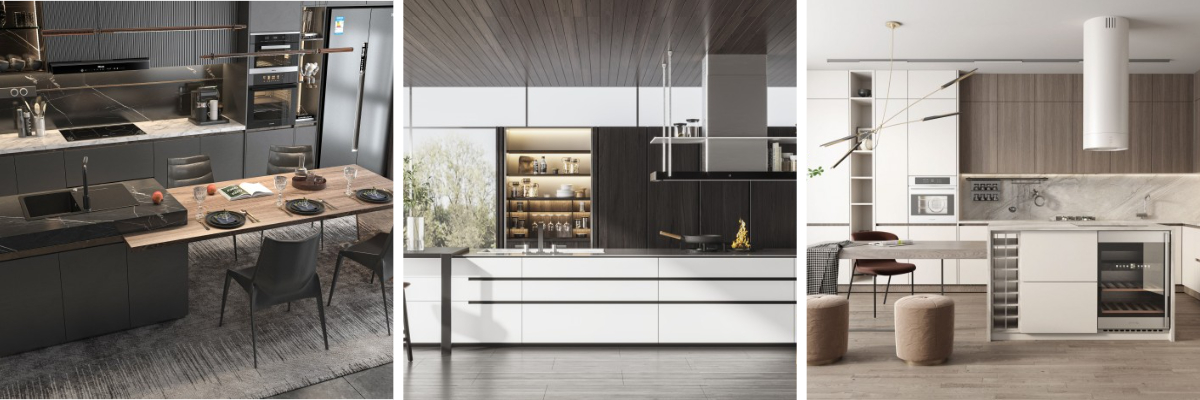
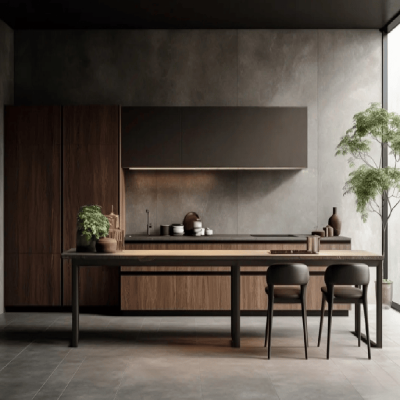
Current market trends favored by European and North American buyers emphasize clean lines, durable surfaces, and smart storage. The popular **two-toned kitchen island design**—pairing a wooden base with a quartz countertop, for example—offers visual depth and allows for greater customization in projects. Similarly, the integration of **kitchen islands with waterfall edges**, where the countertop material flows seamlessly down the sides, has become a signature of high-end contemporary design, conveying craftsmanship and material integrity.
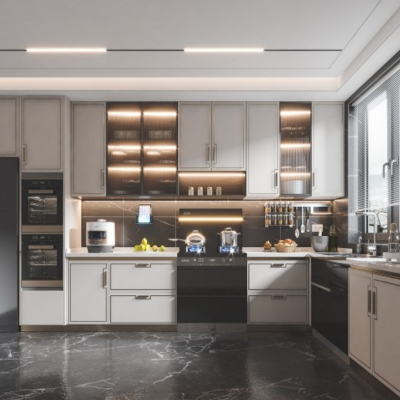
Beyond aesthetics, functionality is paramount. There is a marked increase in demand for islands incorporating **appliance integration kitchen islands**. Buyers seek solutions that seamlessly house dishwashers, wine coolers, or microwave drawers, maintaining a streamlined appearance. Furthermore, the **multifunctional kitchen island with seating** remains a top request, requiring careful consideration of ergonomics (standard counter overhang of 30-40cm for comfort) and traffic flow (recommended clearance of at least 90cm on all sides).
Technical Specifications and Material Innovation
Selecting the right materials is a critical decision that impacts durability, maintenance, cost, and final appeal. For B2B buyers, offering a balanced portfolio of material options is key to addressing diverse market segments.
Countertop Materials:
Quartz and Engineered Stone:Dominating the premium segment due to their non-porous nature, high resistance to stains and scratches, and consistent patterning. Typical thickness for islands is 2cm or 3cm, with the latter preferred for a more substantial look.
Natural Stone (Granite, Marble):Offer unique beauty but require more maintenance. Granite provides high durability, while marble, though porous and prone to etching, remains a luxury statement.
Solid Surface and Porcelain Slabs:Gaining rapid traction. Porcelain slabs, in particular, are renowned for their extreme durability, UV resistance, and ability to mimic other materials in large-format, minimal-seam applications.
Cabinetry and Structure:
The core structure, or carcass, is typically constructed from high-density particleboard (E0 or E1 emission standards), plywood, or, for premium lines, solid wood. The choice here affects weight, screw-holding capacity, and overall longevity. Front-facing panels offer design flexibility, with trends leaning towards:
Slab-style cabinet doors in matte laminates or lacquered finishes.
Textured surfaces like wire-brushed wood or fluted glass inserts.
Custom-colored cabinetry as a focal point, moving beyond neutral tones.
Manufacturing Process and Quality Assurance
A reliable manufacturing process is the backbone of a quality kitchen island. For export-oriented factories, standardized production with rigorous quality control (QC) checkpoints is non-negotiable. The process typically involves:
1.Design & Engineering:Precise CAD drawings and cut-lists are generated, optimizing material usage.
2.Material Preparation:Panels are cut using CNC (Computer Numerical Control) machines for millimeter-perfect accuracy. Edge banding is applied and finished seamlessly.
3.Assembly:Dowel and cam-lock systems, combined with professional adhesives, ensure sturdy box construction. Hinges and drawer runners from reputable brands (e.g., Blum, Hettich) are installed.
4.Finishing:Applied finishes undergo thorough inspection for consistency, and hardware is tested for alignment and smooth operation.
5. Pre-shipment QC:Each unit is checked for dimensions, finish quality, hardware function, and packaging integrity to withstand international logistics.
International Buyer Preferences and Key Procurement Pain Points
Understanding buyer needs and challenges is crucial for successful sourcing.
Common Preferences:
Modular Design:Buyers favor islands that can be configured in sections for easier shipping and handling.
Sustainable Sourcing:Increasing demand for FSC-certified woods, low-VOC finishes, and recyclable materials.
Comprehensive Packaging:Robust, weather-resistant packaging with clear assembly instructions is a basic expectation.
Technical Documentation:Detailed specification sheets, installation manuals, and 3D/CAD files for project integration.
Frequent Pain Points:
Inconsistent Quality Between Samples and Bulk Orders:Maintaining identical material batches and finish quality is a major challenge.
Logistical Complexity and Damage:Improper packaging leading to damage during sea freight is a common and costly issue.
Lead Time Reliability:Unforeseen delays in production or shipping can disrupt entire project timelines for buyers.
Communication Gaps:Technical misunderstandings due to language barriers or lack of clear project management protocols.
FAQs for B2B Buyers
1. What is the standard lead time for a container load (FCL) of custom-sized kitchen islands, and what factors can affect it?
Standard lead times range from 45 to 60 days ex-works after final design approval and deposit. Key factors include material availability (especially for specific stone or slab selections), complexity of custom finishes, and seasonal production capacity. A professional supplier will provide a detailed production schedule upfront.
2. How do you ensure color and finish consistency across a large order, especially for painted or stained finishes?
Consistency is achieved through batch-controlled production. All units for a single project are manufactured from the same material batch number and finished in the same production cycle using calibrated spraying equipment. We recommend requesting physical "approval samples" of the final finish before full production commences.
3. Can you accommodate hybrid designs, such as an island with a mixed material countertop (e.g., wood butcher block section integrated with quartz)?
Yes, advanced manufacturers specialize in such hybrid constructions. This requires precise engineering at the joint interface and careful handling during shipping. Clear technical drawings confirming the integration method and seam treatment should be reviewed and approved by both parties.
4. What are the key packaging specifications to minimize damage during international sea freight?
A multi-layer approach is essential: 1) Corner protectors and edge guards on all vulnerable points, 2) Full shrink-wrapping to protect from moisture, 3) Custom-sized cardboard cartons with reinforced edges, and 4) Secure placement in a wooden crate with bracing to prevent movement. Always request photos of the packaged unit prior to loading.
Ready to Source with Confidence?
Navigating the intricacies of modern kitchen island procurement requires a partner that blends design insight with manufacturing excellence. Our vertically integrated factory combines advanced CNC technology with skilled craftsmanship to deliver B2B-grade kitchen islands that meet precise specifications and rigorous quality standards.
Take the next step in elevating your product line. Contact our trade specialists today to request a detailed product catalog, technical data sheets, and factory audit report. We welcome the opportunity to provide custom quotes and arrange for sample procurement to validate quality firsthand.
Request Your Quote & Technical Pack Now.