2026 Kitchen Trends: Master Two-Tone Cabinet Design & Styles
Explore 2026 kitchen trends: two-tone cabinets dominate with natural hues, mixed finishes, and smart layouts. Get expert tips for timeless designs.
2026 Kitchen Design Trends: Mastering Two-Toned Kitchen Cabinets
The kitchen continues to evolve as the undisputed heart of the home, a space where design must seamlessly marry aesthetics with robust functionality. As we look toward 2026, a definitive shift is emerging: the reign of all-white kitchens is giving way to more expressive, personalized, and layered design statements. Leading this transformation is the strategic use of two-toned kitchen cabinets, a design choice celebrated for its ability to inject depth, character, and visual intrigue into the core of our living spaces. This trend moves beyond mere color play, reflecting a deeper desire for warmth, individuality, and intelligent design in our homes.
This article will serve as your comprehensive guide to mastering two-toned cabinets. We will explore the forces driving their popularity, dissect the most compelling color and material combinations for 2026, and provide actionable insights from industry leaders to help you create a kitchen that is both timeless and on the cutting edge of design.
1 .The Rise of Two-Toned Cabinets: A Shift in Design Philosophy
The dominance of the monochromatic, all-white kitchen is undergoing a significant transformation. For the first time in nearly a decade, industry surveys indicate that white has fallen from its top position as the most requested cabinet color. This signals a broader movement toward kitchens that feel warmer, richer, and more connected to materiality.
Two-toned cabinets sit at the center of this shift for several key reasons:
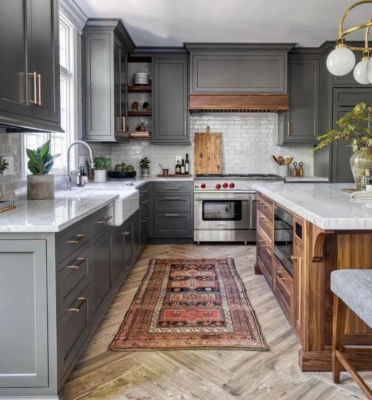
Visual Dynamics and Spatial Perception: Using a darker shade on lower cabinets and a lighter one on uppers is a classic technique that not only creates a striking modern twist but also helps ground the space while keeping it feeling open and airy.
Architectural Definition: This approach provides a nuanced way to visually separate different functional zones within an open-plan kitchen, such as distinguishing a cooking area from a clean-lined storage wall, without resorting to physical dividers.
Balancing Boldness and Broad Appeal: For homeowners drawn to rich, nature-inspired colors like deep green or navy blue but wary of overwhelming a space, two-toned schemes offer a perfect compromise. The bold color can be strategically applied—often to the island or lower cabinets—and balanced with neutral uppers for a look that is dramatic yet balanced.
2. Core Design Principles for a Harmonious Two-Toned Kitchen
Success with two-toned cabinets hinges on thoughtful planning and adherence to fundamental design principles. It’s more than selecting two favorite colors; it’s about creating a cohesive and intentional dialogue between them.
Mastering Color Harmony and Balance
The relationship between your two chosen colors is paramount. A foolproof method is to work with tones and shades within the same color family. For instance, pairing a deep moss green base with muted sage green upper cabinets creates a sophisticated, tonal look that is rich yet restful. Alternatively, you can employ the color wheel by choosing complementary colors (opposites on the wheel) or analogous colors (next to each other) for different effects, from vibrant contrast to serene harmony.
A critical rule of thumb is to place the darker or more saturated color on the lower cabinets. This creates a natural, grounded feeling, as if the kitchen is rising from a solid foundation toward a brighter, more open space.
Integrating Material and Finish
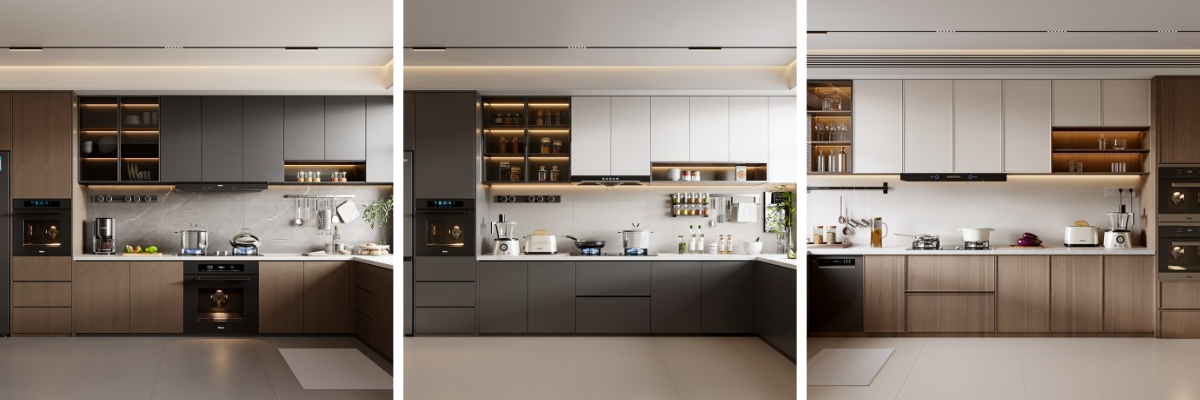
Color is just one part of the equation; material and finish texture are equally powerful tools. The trend for 2026 enthusiastically embraces mixed materials. Combining painted cabinetry with warm wood tones is a particularly effective strategy. For example, a deep blue painted island can be beautifully warmed by surrounding cabinets in a light or mid-tone oak. This blend of cool and warm elements adds incredible depth and tactile appeal.
Finish sheen also plays a role. Matte finishes continue to be popular for their ability to hide fingerprints and convey a soft, contemporary look, while high-gloss surfaces can be used selectively to reflect light and add a touch of luminosity, especially in smaller kitchens or on a feature island.
3. Top Color and Style Combinations for 2026
Drawing from leading trend forecasts and designer showcases, several combinations are poised to define the two-toned kitchen in 2026.
Nature-Inspired Greens and Neutrals
Green, in all its earthy variations, remains a superstar. A leading look pairs matte moss green or forest green lower cabinets with crisp, off-white or very light grey upper cabinets. This scheme brings the serenity of nature indoors and pairs exquisitely with brass or black hardware, warm wood countertops, and stone backsplashes with subtle veining.
Grounded Blues and Warm Woods:
Soft, dusty blues and deeper navies are being used to create calm, anchored spaces. The 2026 approach often combines a blue-painted lower zone with upper cabinets or open shelving in a light, natural wood, such as white oak. This combination feels both fresh and timeless, offering a clear alternative to cooler grey-and-white palettes of the past.
The Elevated Neutral: Warm Light + Dark Contrast:
For those preferring a neutral palette, the trend is moving away from flat white. Instead, designers are combining warm, light tones like greige or soft taupe with deeper, richer neutrals like charcoal or matte black. This could manifest as a dark, statement island in a sea of lighter perimeter cabinets, providing contrast and sophistication without relying on chromatic color.
4.Integrating Two-Toned Cabinets with Broader 2026 Kitchen Trends
A two-toned cabinet scheme doesn’t exist in a vacuum; it integrates with other major trends shaping the kitchen of the future.
The Multifunctional, Furniture-Style Island:The kitchen island is increasingly the home’s command center. Using a contrasting color or material for the island cabinetry naturally designates it as the focal point and functional heart of the room. This island might combine prep space, dining, and charging stations, with its distinct color reinforcing its unique role.
The "Hidden" Kitchen and Custom Storage: As the desire for clutter-free, serene spaces grows, so does the popularity of back kitchens or elaborate sculleries. In the main "show" kitchen, two-toned cabinetry can cleverly integrate with these custom storage solutions, such as a floor-to-ceiling pantry wall in a lighter tone that blends seamlessly, while the cooking zone features darker, more defined cabinetry.
Warm Metallics and Subtle Hardware:The hardware chosen for two-toned cabinets is shifting toward warmer metallic finishes. Brushed brass, champagne gold, and soft bronze are replacing cooler chromes, adding a layer of warmth and luxury that complements both natural wood and painted finishes. The hardware profile itself tends toward clean, linear bar pulls or integrated, handle-less designs that keep the focus on the color story.
5 Practical Implementation and Future Outlook
Adopting this trend requires careful consideration. Always test large paint or material samples in your actual kitchen lighting, as colors can shift dramatically from day to night. For a cost-effective update, consider repainting only your lower cabinets or island to introduce a two-toned look without a full remodel.
Looking ahead, the two-toned trend is more than a passing fad; it is a reflection of a larger movement toward personalization, warmth, and intelligent design. As MasterBrand’s trends report notes, kitchens are increasingly featuring three, four, or even five different finishes, indicating a growing confidence in layered, complex design. Two-toned cabinets are a foundational and accessible entry point into this more expressive and nuanced era of kitchen design.
In summary, the two-toned kitchen cabinet trend for 2026 offers a powerful tool to create a space that is visually dynamic, deeply personal, and harmoniously balanced. By thoughtfully combining nature-inspired colors, warm materials, and integrated functionality, you can design a kitchen that is not only stylish today but remains a timeless and cherished center of home life for years to come.