How Custom Cabinets Are Made by a Professional Manufacturer
If you are looking for a reliable custom cabinets manufacturer, it is important to understand the full custom cabinetry process.
For overseas buyers and contractors, cabinets are not just products. They are part of a larger project. Delays or quality issues can affect the entire schedule.
A professional custom cabinets manufacturer follows a clear process to ensure quality, accuracy, and on-time delivery.
This guide explains each step, from design to installation, so you know exactly what to expect.
Understanding the Initial Concept and Design Phase
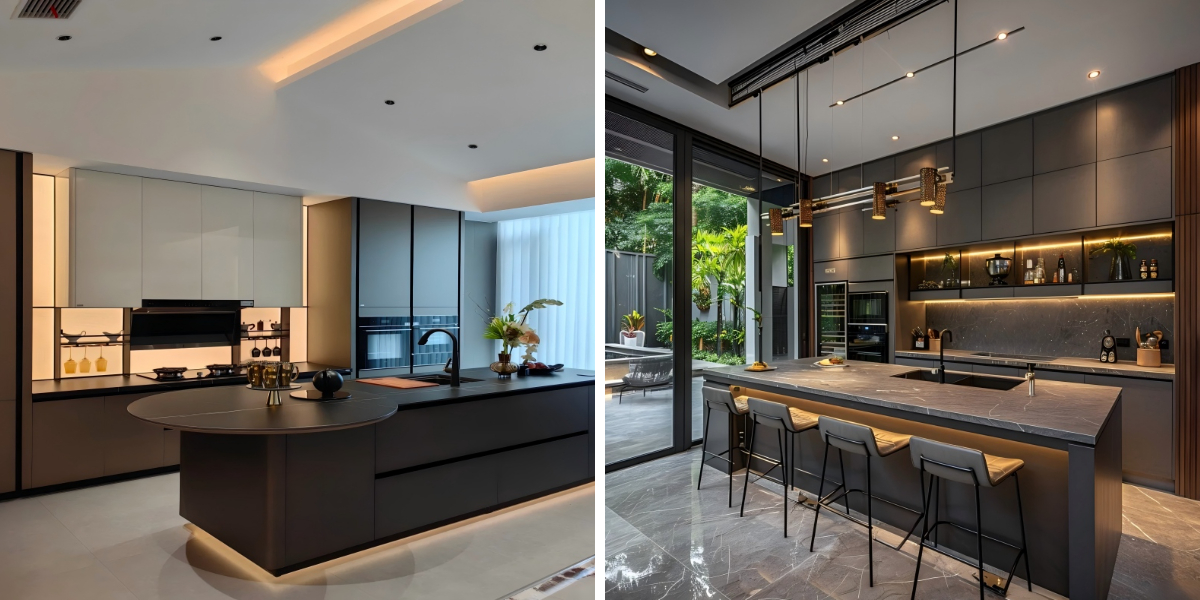
Every successful project starts with a clear idea. In this phase, the manufacturer works closely with the buyer to understand needs, style, and budget. Communication is key.
Gathering Client Requirements and Space Measurements
First, the manufacturer collects all client requirements. This includes cabinet function, preferred materials, color, and hardware style. The buyer may share inspiration photos or rough sketches.
Next comes accurate measurement. For kitchen or bathroom cabinets, every inch matters. The manufacturer’s team may visit the site or ask the buyer to provide a detailed floor plan. They note wall lengths, ceiling height, plumbing locations, and electrical outlets.
Good measurements prevent costly mistakes later. Without them, even the best design will not fit.
Creating Detailed Design Drawings and 3D Renderings
After collecting data, the design team creates technical drawings. These show cabinet dimensions, door styles, drawer layouts, and shelving positions.
Most modern manufacturers also provide 3D renderings. Buyers can see how the cabinets will look in their space. You can rotate the model, change colors, or adjust hardware virtually. This step avoids surprises during installation.
At this point, the buyer approves the design. This approval becomes the blueprint for the entire custom cabinetry workflow.
Material Selection and Quotation
Once the design is fixed, it is time to choose materials and agree on cost. Transparency here builds trust.
Choosing the Right Wood, Finishes, and Hardware
Buyers can select from many wood types: oak, maple, cherry, walnut, or engineered wood like plywood or MDF. Each has different strength, grain pattern, and price.
Finishes range from natural stains to painted colors. Some buyers prefer a matte look, others want high‑gloss. Hardware includes handles, hinges, drawer slides, and soft‑close mechanisms. The manufacturer explains the pros and cons of each option.
Providing Accurate Cost Estimates and Timelines
Based on design and materials, the manufacturer prepares a detailed quotation. It lists costs per cabinet, hardware, finish, and delivery. There are no hidden fees.
The quotation also includes a production timeline. For example, “Design approval to shipping: 6 weeks.” Overseas buyers need this information to plan their own projects. A reliable manufacturer always gives realistic dates.
Once both parties sign the agreement, the manufacturer's guide moves to the next stage.
Engineering and Production Planning
Before cutting any wood, engineers turn the approved design into machine‑ready instructions. This is where accuracy meets technology.
Converting Designs into Technical Specifications
Engineers use software like CAD (Computer‑Aided Design) to create exact cutting lists. Every panel, shelf, and door gets a unique code. The system calculates how much material is needed.
These specifications also tell the machines where to drill holes for hinges, where to cut grooves for panels, and how to shape edges. Human error is greatly reduced.
Optimizing Material Cutting and Nesting
Nesting is a smart way to arrange cutting patterns on a single sheet of plywood or MDF. The computer creates a layout that uses almost 90% of the sheet. This saves wood and lowers costs for the buyer.
After nesting, CNC machines take over. They cut multiple cabinet parts at once with precision down to 0.1mm. This speed and accuracy are hallmarks of a professional custom cabinet manufacturing process.
Manufacturing and Assembly
Now the physical production begins. This stage transforms flat panels into cabinet boxes.
Precision Cutting, Edge Banding, and Drilling
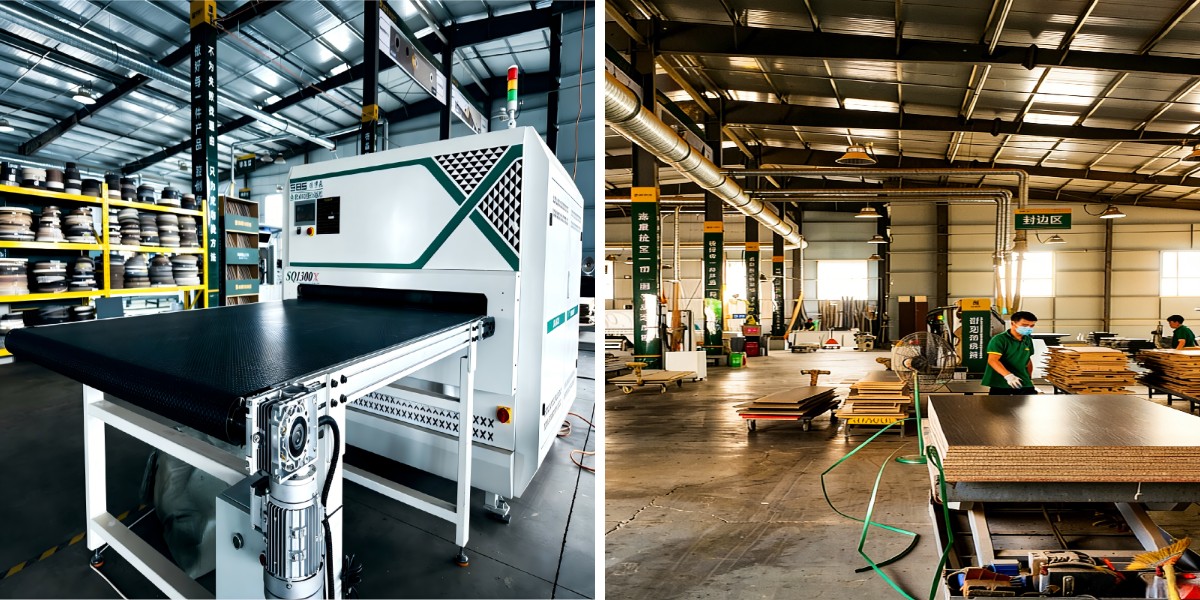
CNC routers cut panels exactly to size. Then edge banding machines apply a thin strip of PVC, ABS, or wood to the cut edges. Edge banding seals the panel, stops moisture, and gives a clean look.
Next, drilling machines create holes for shelf pins, hinges, and drawer slides. All holes are perfectly aligned. This ensures easy assembly on site.
Quality Control Checks at Each Stage
Quality control (QC) is not a single step. It happens continuously.
Workers check every panel for scratches, color mismatch, or measurement errors. They test a sample drawer slide for smooth movement. If a hinge hole is off by 1mm, that cabinet is rejected and remade.
Only panels that pass QC move to the assembly area. This strict process means overseas buyers receive products that are ready to install.
Finishing and Surface Treatment
The finishing stage gives cabinets their final beauty and protection. It requires a clean, dust‑free environment.
Sanding, Staining, and Painting Techniques
First, every part is hand‑sanded or machine‑sanded. Sanding removes rough spots and prepares the surface for color.
For stain finishes, workers apply a liquid color that soaks into the wood grain. They wipe off excess to control darkness. For painted finishes, they spray multiple thin layers using HVLP (High Volume Low Pressure) spray guns. Spraying gives a smooth, factory‑quality coat.
Packaging and Logistics
Good packaging is as important as good manufacturing. Damaged cabinets upset buyers and delay projects.
Secure Packaging to Prevent Damage
Each cabinet part is wrapped in foam sheets or corner protectors. Drawer boxes are stacked with cardboard separators. Glass doors get extra bubble wrap.
All pieces are placed in strong, double‑walled cartons. The cartons are strapped to pallets. A manufacturer that cares about packaging shows they care about your business.
Coordinating Shipping and Delivery
For overseas buyers, shipping involves sea freight or air freight. The manufacturer provides a packing list, commercial invoice, and bill of lading. They also help with customs documentation.
A good manufacturer tracks the shipment and updates the buyer. They know that the custom cabinetry workflow is not complete until cabinets arrive safely.
On‑Site Installation and Final Adjustments
Installation is the most visible part of the process. A smooth installation confirms the manufacturer’s quality.
Preparing the Installation Site
The installer checks that walls are straight and floors are level. If needed, they attach furring strips or shims. They also verify that plumbing and electrical lines are in the right places.
The site should be clean and free of dust. Cabinets are stored in a dry area until unwrapped.
Mounting, Leveling, and Hardware Installation
Start with the upper cabinets. Hanging rails are screwed to wall studs. Then each cabinet is lifted onto the rail and adjusted for level.
Lower cabinets sit on the floor. Plastic shims under the corners level them side to side and front to back. Once level, they are screwed together and to the wall.
Finally, doors, drawers, and handles are installed. Soft‑close hinges are adjusted. Drawer slides are tested. Every door should open and close without rubbing.
Final Inspection and Customer Walkthrough
The installer does a final inspection. They check for gaps, scratches, or loose screws. They open every drawer and cabinet.
Then they invite the buyer for a walkthrough. The buyer points out any concerns. The installer fixes them immediately. Once the buyer signs off, the project is truly finished.

Conclusion
From the first conversation to the final walkthrough, the custom cabinetry workflow requires planning, skill, and quality control. A professional manufacturer follows each step carefully: design, material selection, engineering, production, finishing, packaging, and installation.
For overseas buyers, this manufacturer's guide shows what to expect from a trustworthy partner. You get cabinets that fit perfectly, look beautiful, and last for years. You also get clear timelines, honest pricing, and responsive support.
When you choose a manufacturer who masters this workflow, you save time, reduce stress, and grow your own business. Now you know exactly from concept to installation how great custom cabinets are made. Use this knowledge to make your next project a success.