Top 10 Mistakes to Avoid When Sourcing Custom Cabinets from Overseas
Sourcing custom cabinets from overseas can be a game-changer for your business. It opens the door to competitive pricing, unique designs, and scalable production for custom cabinet projects. But if you are not careful, the same journey can lead to delayed shipments, poor cabinet quality, and unexpected hidden costs.
As a reliable custom cabinet manufacturer with years of experience serving global buyers, I have seen the same sourcing issues repeat again and again. In this detailed guide, I will walk you through the top 10 mistakes to avoid when sourcing custom cabinets from overseas — and show you how to partner with a trustworthy custom cabinet factory that delivers on time, on budget, and premium cabinet quality.
Whether you are an importer, a general contractor, or a kitchen studio owner, avoiding these common cabinet sourcing pitfalls will save you thousands of dollars and months of unnecessary frustration.
Why Sourcing Custom Cabinets from Overseas Is Attractive (and Risky)
Key Benefits of Buying Custom Cabinets From Global Manufacturers
The global cabinet market is expected to grow significantly through 2030. Buyers turn to overseas suppliers — especially professional custom cabinet factories in China, Vietnam, and Eastern Europe — because they offer better price points, faster scaling, and advanced manufacturing capabilities for custom cabinetry.
Hidden Risks in International Custom Cabinet Sourcing
However, long-distance shipping barriers, language gaps, and different business cultures create obvious risks for custom cabinet orders. The good news? Most sourcing risks are predictable. And predictable risks are fully avoidable with the right custom cabinet sourcing strategy.
Let’s dive into the 10 most common custom cabinet sourcing mistakes and how you can steer clear of them.
Mistake #1 – Skipping the Factory Verification Process
Why “Trust but Verify” Is the Golden Rule for Custom Cabinet Buyers
The first and most dangerous mistake is placing an order with a supplier you have not properly vetted for custom cabinet production. Too many buyers rely on pretty websites or Alibaba profiles. But anyone can post glossy cabinet photos online.
A legitimate custom cabinet manufacturer should be able to provide:
Live factory tour (video call or on-site visit for cabinet workshops)
Complete business license and official export qualifications
Verified reference clients (especially from your local cabinet market)
Real production facility images for custom cabinet production, not stock photos
How to Verify a Custom Cabinet Factory Correctly
Ask for a live video walkthrough of the cabinet workshop. Look for CNC machines, edge banders, and professional finishing booths for cabinet products. Check if they have dedicated quality control personnel for custom cabinetry.
A serious cabinet factory will be proud to show its full production line. Also, request a custom cabinet sample order before committing to a full container order. Cabinet samples are the cheapest insurance for overseas sourcing.
Mistake #2 – Ignoring Material and Hardware Specifications
“Plywood” vs. “Particle Board” – The Devil in Cabinet Material Details
Many custom cabinet sourcing disasters start with vague material specifications. When you say “custom cabinets,” what exactly do you require for your cabinet project?
What grade of plywood for cabinet frames? (Birch, poplar, or eucalyptus?)
What board thickness for custom cabinet carcass and back panels?
What hardware brand for cabinet doors and drawers? (Blum, Hettich, or unbranded?)
If you do not write these details into your contract, you may receive custom cabinets with downgraded, cheaper materials. A trustworthy custom cabinet factory will happily list every specification in the proforma invoice for your cabinet order.
Create a Technical Specification Sheet for Custom Cabinet Orders
Always attach a detailed spec sheet with your purchase order for custom cabinetry. Include:
Core cabinet material (plywood, MDF, or solid wood)
Veneer or laminate finish (brand, color code, surface thickness)
Cabinet drawer slides (soft-close function, rated weight capacity)
Cabinet hinges (opening angle, corrosion resistance standard)
Edge banding for cabinet panels (ABS, PVC, thickness standard)
This eliminates “interpretation gaps” and ensures consistent custom cabinet quality. Professional international buyers know that detailed specs are the foundation of successful overseas custom cabinet sourcing.
Mistake #3 – Overlooking Quality Control (QC) Milestones
The “Ship and Pray” Trap for Bulk Cabinet Shipments
Another common mistake is paying in full before inspecting finished cabinet goods. You would not buy a car without seeing it. The same rule applies to large custom cabinet container orders.
Without clear QC checkpoints for cabinet products, you might discover cabinet defects only when the shipment arrives — after paying customs duties and expensive ocean freight.
Build Cabinet QC Inspections Into Your Payment Schedule
A safe, industry-standard payment structure for custom cabinet orders:
30% deposit to start custom cabinet production
40% after on-site QC inspection of finished cabinets (before container loading)
30% balance after loading (or against official shipping documents)
Or work with a third-party inspection company (SGS, TÜV, or Bureau Veritas) at the custom cabinet factory before shipment. A transparent custom cabinet manufacturer will always welcome third-party QC to build long-term cooperation.
Mistake #4 – Miscalculating Total Landed Cost
The Ex-Factory Cabinet Price Is Never Your Final Expense
Many overseas cabinet buyers only look at the ex-factory price of custom cabinets. But sourcing custom cabinets from overseas involves many additional hidden costs that impact your total budget.
Key extra fees for international cabinet shipping:
Ocean freight (container rates fluctuate wildly for furniture cargo)
Cargo insurance for custom cabinet shipments
Customs duties and tariffs (check HS code 9403.40 for wooden cabinets)
Port handling fees and local trucking to your warehouse
If you ignore these fees, your “affordable” overseas custom cabinets may end up costing more than local cabinet suppliers.
How to Calculate True Landed Cost for Custom Cabinets
Ask your custom cabinet supplier for a clear Incoterms quote – preferably FOB (nearest port) or CIF (to your destination port). Then add freight forwarder fees, local duty rates, and last-mile delivery costs for cabinet goods.
Build a simple Excel cost template and always add a 10–15% contingency buffer for custom cabinet import projects.

Mistake #5 – No Clear Communication Protocol
Lost in Translation & Time Zones for Cabinet Projects
Poor daily communication leads to wrong cabinet dimensions, finish color mismatches, and delayed custom cabinet production. When you work with an overseas cabinet factory, you need a fixed, structured communication plan.
Relying on emails alone is not enough — critical cabinet design updates easily get buried.
Set Up a Weekly Sync for Custom Cabinet Production Updates
Use WhatsApp, WeChat, or Slack for real-time cabinet project communication. Share weekly production photos and videos of your custom cabinets.
Assign a single point of contact on both sides for cabinet order coordination. Agree on a 24-hour response time, and document every cabinet design change with a formal change order. This simple habit prevents 80% of custom cabinet sourcing mistakes.
Mistake #6 – Forgetting About Packaging and Labeling Requirements
Why Your Custom Cabinets Arrive Damaged After Ocean Shipping
Poor export packaging is a silent budget killer for cabinet importers. Professional overseas factories can craft high-quality custom cabinets but use thin cartons or no edge protection for long sea transit.
The result: cracked cabinet door panels, scratched finishes, and missing cabinet hardware. Also, without standardized labeling, your warehouse team cannot identify which cabinet boxes belong to each room project.
Specify Export-Worthy Packaging for Custom Cabinetry
In your official contract, write clear packaging rules for all custom cabinet items:
5-layer corrugated export cartons for cabinet parts
Foam padding on all cabinet corners and fragile edges
Tight stretch wrap on shipping pallets for cabinet cargo
Clear printed labels: “Fragile”, “Top”, “Room code + cabinet box number”
A reliable custom cabinet manufacturer will strictly follow your packaging instructions. Always request photos of packed cabinet cartons before loading.
Mistake #7 – Ignoring Lead Times and Seasonal Disruptions
The Chinese New Year Effect on Cabinet Production Schedules
Many international cabinet buyers forget about cultural and national factory holidays. In China, the entire furniture supply chain shuts down for 2–3 weeks during Lunar New Year.
Custom cabinet factories also slow down sharply before October Golden Week. If you place a cabinet order in late December, do not expect timely delivery before March.
Plan Your Custom Cabinet Sourcing Calendar in Advance
Work backward from your client’s project deadline with full timeline awareness:
Custom cabinet production lead time: 30–50 days (depends on design complexity)
Ocean freight transit: 20–40 days (Asia to US/Europe/Australia)
Customs clearance for furniture: 5–10 days
Add a buffer of 2–3 weeks for unexpected shipping delays, and confirm your production timeline with your custom cabinet factory well in advance.
Mistake #8 – Accepting Vague Payment Terms
100% Upfront Payment for Cabinets? Always Decline
Some small overseas suppliers ask for 100% full payment before starting custom cabinet production — especially new or undercapitalized workshops. This gives you zero negotiation leverage for cabinet quality control.
If your custom cabinets arrive with poor workmanship, you have no way to demand free rework or compensation.
Safer Payment Structures for Overseas Cabinet Sourcing
The industry standard for sourcing custom cabinets from overseas is clear and secure:
30% deposit (by T/T bank transfer), 70% balance against copy of Bill of Lading or post-inspection approval.
For large cabinet project orders, use a sight Letter of Credit (L/C). Avoid Western Union or crypto payments for high-value custom cabinet deals. Always use formal bank transfers with clear cabinet invoice references.
Mistake #9 – Not Testing Samples Before Mass Production
“It Looks Good in the Rendering” Syndrome for Cabinet Design
3D design renderings can hide real-world cabinet flaws — uneven wood finishes, unstable drawer movement, and messy edge banding details.
No matter how impressive a cabinet factory’s portfolio is, you must test a physical custom cabinet sample before mass production. A full-size sample reveals true product quality.
Key Details to Check on Your Custom Cabinet Sample
After receiving your pre-production cabinet sample:
Check actual veneer color and wood grain consistency
Test cabinet drawer and door smoothness repeatedly
Inspect hardware durability and soft-close function
Evaluate overall assembly difficulty for local installation
Only when you are 100% satisfied should you approve mass custom cabinet production. A serious custom cabinet factory offers affordable sample production, with sample fees often refundable on bulk cabinet orders.
Mistake #10 – No Contingency for Disputes or Defects
What Happens When Your Custom Cabinets Have Quality Issues?
Even with careful planning and strict checks, cabinet issues can still arise: faulty hinge batches, uneven cabinet finishing, or shipping-damaged cabinet components.
Without a clear dispute resolution clause for your cabinet order, you will face huge losses and delays.
Build a Defect Remedy Plan Into Your Cabinet Contract
Your purchase order for custom cabinetry should include:
Clear defect rate tolerance (e.g., ≤3% for wooden cabinet products)
Multiple remedy options: refund for defective cabinet parts, free replacements, or factory-side rework
Official jurisdiction for cross-border arbitration and dispute settlement
Most established custom cabinet factories will cooperate fully to fix cabinet defects, as they value long-term global buyer partnerships.
How to Avoid All These Mistakes – Partner With a Direct Custom Cabinet Manufacturer
Core Advantages of Working With a Direct Cabinet Factory
After reading this list, you might feel overwhelmed by the risks of overseas cabinet sourcing. But the solution is simple: choose a professional direct custom cabinet manufacturer that follows international sourcing best practices.
Focus on a cabinet factory that:
Offers video factory tours and global client references
Provides detailed technical spec sheets for all custom cabinet items
Accepts independent third-party QC inspections
Maintains proactive, transparent communication for cabinet orders
Has a proven track record of exporting custom cabinets to your market
Your Trusted Custom Cabinet Supplier – Muge Home Furnishings
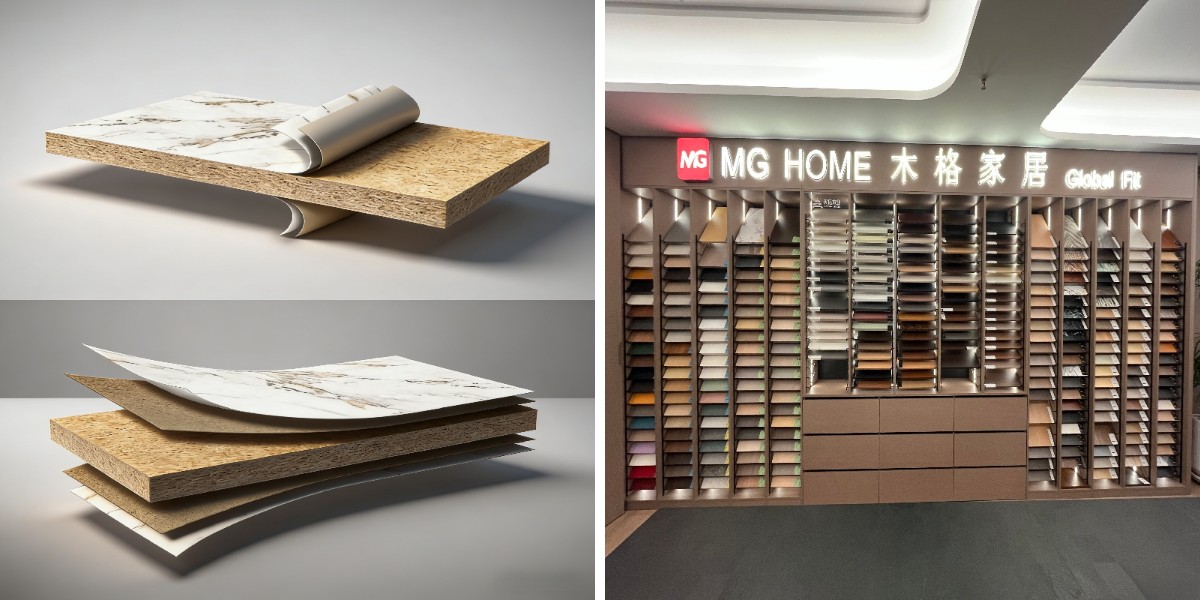
That is exactly what we do at Liaoning Muge Home Furnishings Co., Ltd. Located in Huludao City, China, we are a direct custom cabinet factory specializing in kitchen cabinets, full-house wardrobes, wall boards, and complete interior joinery solutions.
We work with overseas buyers to produce high-quality, bespoke custom cabinetry with clear specifications, on-time delivery, and fair flexible payment terms.
Final Pre-Sourcing Checklist for Custom Cabinet Importers
To summarize, here is your essential pre-sourcing checklist to avoid the top 10 mistakes when sourcing custom cabinets from overseas:
Verify factory credentials (video tour, export license, global client references)
Sign a detailed spec sheet for cabinet materials, hardware and dimensions
Schedule fixed QC inspection milestones before cabinet shipment
Calculate full landed cost including duties, freight and local handling fees
Set clear communication rules for daily cabinet project updates
Agree on export packaging and unified labeling for cabinet cargo
Account for production lead times and national holiday shutdowns
Adopt safe, industry-standard payment terms for cabinet orders
Order and test physical custom cabinet samples before mass production
Include defect remedy and dispute resolution terms in your cabinet contract
FAQ – Custom Cabinet Overseas Sourcing
How Do I Find a Reliable Custom Cabinet Manufacturer in China?
Focus on direct factories with complete export qualifications, real workshop verification, positive overseas client feedback, and the ability to provide custom cabinet samples and detailed material specs.
What Is the Ideal Lead Time for Custom Cabinet Orders?
Most custom cabinet factories need 30–50 days for production, plus 20–40 days of sea freight. Always add extra buffer time for holiday delays and customs clearance.
Can Custom Cabinets From China Meet International Quality Standards?
Yes. Professional direct custom cabinet factories follow international environmental and production standards, with customizable materials, hardware and finishing to meet US, EU, Australian and Middle East market requirements.
Ready to Source High-Quality Custom Cabinets the Right Way?
Get A Transparent Custom Cabinet Quote Today
You do not have to navigate international cabinet sourcing risks alone. At Liaoning Muge Home Furnishings, we help overseas buyers avoid every single mistake listed above.
Send us your cabinet designs, project sizes and style requirements, and we will provide a transparent quote, material samples, and a stable production plan that gives you total peace of mind for your custom cabinet project.