How to Hang Cabinets Properly: A Step-by-Step Installation Guide
Hanging cabinets correctly is one of the most critical steps in any kitchen, bathroom, or storage renovation project. Well-installed cabinets not only improve the overall appearance of a space but also ensure long-term safety, durability, and functionality. Poor installation, on the other hand, can lead to misaligned doors, uneven gaps, sagging cabinets, or even structural failure over time.
Whether you are a homeowner planning a DIY upgrade or a professional installer looking for a clear reference, this guide explains how to hang cabinets properly, covering tools, measurements, installation steps, and common mistakes to avoid.

Tools and Materials You’ll Need
Before starting, prepare the right tools to ensure a smooth installation:
Stud finder
Tape measure and pencil
4-ft spirit level and straightedge
Power drill with drill bits
Cabinet clamps
Wood shims
3-inch wood screws
Wall anchors or toggle bolts (for non-stud areas)
Safety glasses and gloves
Having everything ready will save time and prevent mistakes during installation.
Step 1: Measure and Mark the Wall
Accurate measurements are the foundation of a successful cabinet installation.
Use a stud finder to locate wall studs and mark their centerlines clearly.
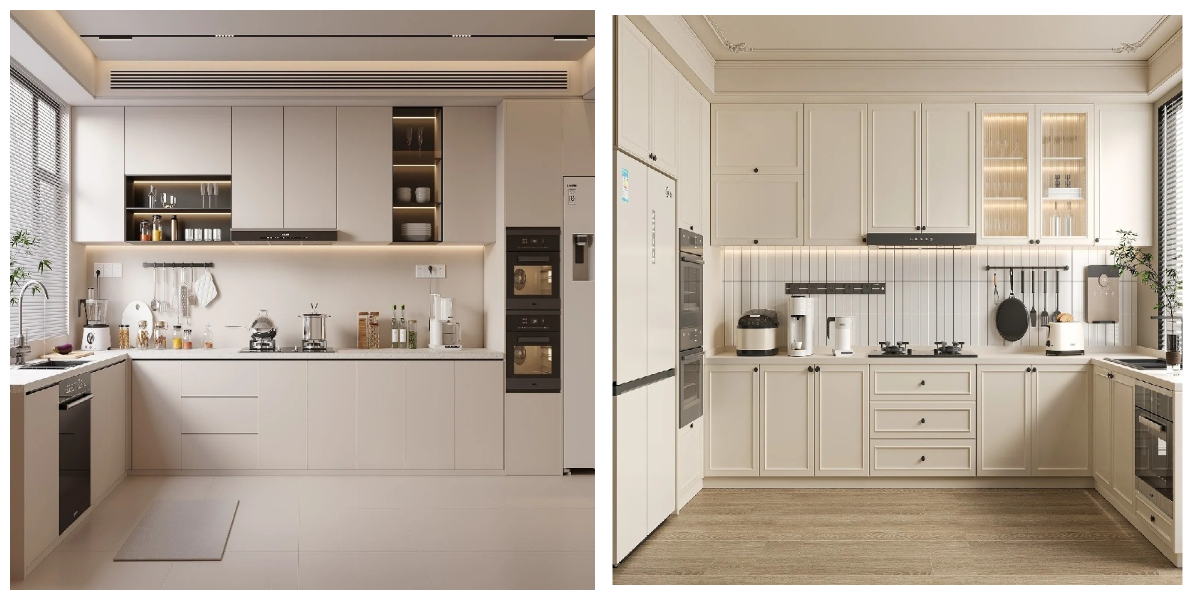
Measure the desired cabinet height. Standard upper cabinets are usually installed 54 inches from the floor, or 18 inches above the countertop.
Draw a level reference line across the wall using a spirit level. This line will guide cabinet placement.
Taking time here ensures your cabinets will be straight and evenly aligned.
Step 2: Start with the Corner or End Cabinet
Always begin with the corner cabinet or the cabinet at the end of the run.
Temporarily support the cabinet using a ledger board or have a helper hold it in place.
Drill pilot holes through the cabinet back into the wall studs.
Secure the cabinet with 3-inch screws, but do not fully tighten yet.
Check for level and plumb before moving to the next cabinet.
Step 3: Hang and Connect the Remaining Cabinets
Once the first cabinet is properly positioned:
Place the next cabinet beside it and clamp them together.
Use a level to ensure both cabinets align perfectly at the top and front edges.
Drill pilot holes and fasten the cabinets together through the side panels.
Secure the cabinet to the wall studs.
Repeat this process until all cabinets are installed.
Step 4: Adjust, Level, and Secure
Walls are rarely perfectly straight, so final adjustments are essential.
Insert wood shims behind cabinets where needed to correct uneven walls.
Recheck level and alignment across the entire cabinet run.
Tighten all mounting screws once everything is properly aligned.
Trim excess shims for a clean finish.
This step ensures long-term stability and a professional appearance.
Step 5: Install Doors and Hardware
After the cabinets are mounted:
Attach cabinet doors and adjust hinges for even gaps and smooth operation.
Install handles or knobs using a drilling template for consistent placement.
Small adjustments here make a big difference in overall quality.
Common Mistakes to Avoid
Skipping stud detection and relying only on drywall anchors
Not using a level at every step
Overtightening screws, which can crack cabinet backs
Ignoring wall unevenness and skipping shims
Avoiding these mistakes helps prevent cabinet sagging or misalignment over time.
Final Tips for a Professional Result
Always secure cabinets into wall studs whenever possible
Use long levels or straightedges to check alignment across multiple cabinets
Work slowly and double-check measurements before drilling
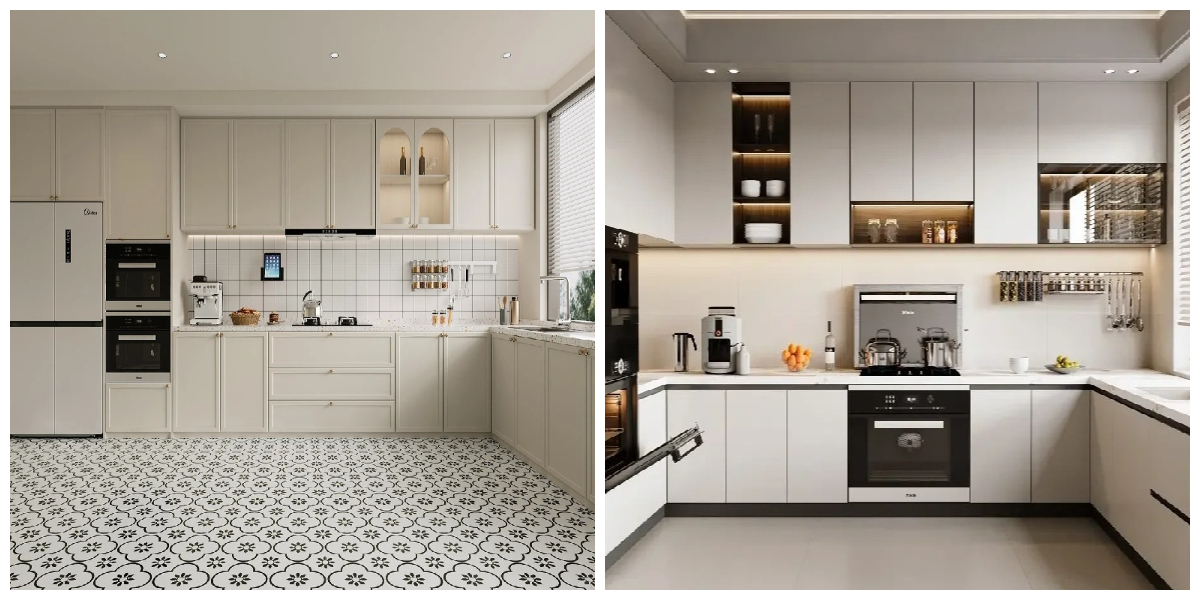
Properly installed cabinets improve both functionality and resale value.
FAQ
Can cabinets be hung without wall studs?
Yes, but only lightweight cabinets should be installed using heavy-duty wall anchors. Stud mounting is always recommended.
How high should wall cabinets be installed?
Most wall cabinets are installed 54 inches from the floor or 18 inches above countertops.
Do I need a professional to hang cabinets?
Many homeowners can do it themselves with proper tools, patience, and accurate measurements.