How To Customize Kitchen Cabinets: 2026 Professional DIY & Pro Guide
Learn how to customize kitchen cabinets with expert tips, 2026 trends, material choices, and cost-saving hacks. Perfect for homeowners and DIY enthusiasts seeking personalized, functional kitchen storage.
Why Customize Kitchen Cabinets? Key Benefits for Homeowners & Global Audiences
Before diving into the step-by-step process, it’s critical to understand why customizing kitchen cabinets is a worthwhile investment—especially in 2026, where functionality and personalization are top priorities for homeowners worldwide, and customization has become a key selling point for global cabinet businesses. Pre-made cabinets are mass-produced to fit standard kitchen sizes, which means they often leave gaps in irregularly shaped rooms, waste valuable storage space, or fail to accommodate unique features like odd-shaped corners, large appliances (such as European-style built-in ovens or Asian-style rice cookers), or specialized storage needs for different cooking habits. Custom cabinetry solves these pain points, offering benefits that extend beyond aesthetics to include long-term durability, improved kitchen efficiency, and higher resale value for homes.
1. Maximize Space Utilization for Every Kitchen Size
One of the biggest advantages to customize kitchen cabinets is the ability to make the most of every inch of your kitchen, even in the smallest spaces. For compact kitchens—common in urban areas like New York, London, or Tokyo—custom solutions like tall cabinets that reach the ceiling (adding up to 30% more storage space), corner lazy susans that eliminate hard-to-reach areas, or slim pull-out drawers for spices and utensils eliminate wasted space and provide ample storage for cookware, dishes, and small appliances. In larger kitchens, custom cabinetry can be designed to create designated zones—such as baking stations with built-in mixing bowl storage, beverage centers with wine racks, or meal prep areas with pull-out cutting boards—that align with your cooking habits. According to industry data, beverage station installations in custom cabinets have risen 5 percentage points year-over-year, as more homeowners prioritize at-home entertaining. This level of space optimization is impossible with pre-made cabinets, which often come in one-size-fits-all designs that fail to adapt to individual kitchen layouts.
2. Align with Personal Style & 2026 Global Trends
2026 kitchen trends prioritize color, texture, and personalization, with regional variations that cater to different cultural preferences—and customizing kitchen cabinets allows you to embrace these trends while staying true to your taste. According to the 2026 Houzz report, blue has become the most popular cabinet color globally (18%), followed by green (17%), surpassing traditional neutrals like grey and white. In North America, soft navy blues and sage greens are trending, while in Europe, muted terracottas and forest greens are gaining popularity, and in Asia, light wood tones with subtle color accents remain a top choice. Custom cabinetry lets you choose from a wide range of finishes—from matte blue lacquer (popular in Asian markets) to light wood veneer (favored in Europe) and high-gloss laminates (trendy in North America)—and hardware styles that complement your kitchen’s overall design. Whether you prefer modern minimalism, rustic charm, classic elegance, or bohemian flair, you can customize kitchen cabinets to match your vision without settling for generic options that lack personality.
3. Enhance Functionality for Daily Use & Cultural Cooking Habits
Every homeowner uses their kitchen differently, and customizing kitchen cabinets lets you design storage solutions that fit your daily routine and cultural cooking habits. If you love baking, you can add custom drawers with dividers for baking sheets, a built-in spice rack organized by frequency of use, and a pull-out shelf for a stand mixer. If you have a large family that cooks together, you can include pull-out trash bins with separate compartments for recycling, extra-deep cabinets for bulk food items, and adjustable shelves that can accommodate large pots and pans. For homeowners in Asian countries who frequently use rice cookers, woks, and steamers, custom cabinets can include dedicated compartments for these appliances to keep countertops clutter-free. Over half of homeowners renovating their kitchens now address current or future special needs, such as aging-in-place features like adjustable shelves or pull-out drawers that are easy to reach, making custom cabinetry a practical long-term investment. Custom cabinets also accommodate large or specialized appliances, such as built-in ovens, refrigerators, and dishwashers, creating a seamless, clutter-free look that enhances the overall flow of the kitchen.
Step-by-Step Guide to Customize Kitchen Cabinets (2026 Expert Advice)
Customizing kitchen cabinets is a collaborative process that requires careful planning, clear communication with designers or manufacturers, and attention to detail at every stage. While many homeowners hire professionals (42% of renovators work with kitchen designers, per Houzz), DIY enthusiasts can also customize basic cabinetry with the right tools, guidance, and patience. Below is a detailed step-by-step guide to help you customize kitchen cabinets like a pro, from initial planning and measurement to final installation. We’ve included expert tips from certified designers and common mistakes to watch for at each step, based on years of industry experience.
Step 1: Assess Your Needs & Measure Your Space Accurately
The first step to customize kitchen cabinets is to evaluate your current kitchen and identify your specific needs, both functional and aesthetic. Start by asking yourself key questions: How do you use your kitchen on a daily basis? Do you cook often, or is your kitchen primarily for entertaining? What storage pain points do you have (e.g., lack of drawer space for utensils, hard-to-reach corners, insufficient space for small appliances)? Do you need to accommodate any large or specialized appliances, or plan for future upgrades like a new refrigerator or oven? Next, measure your kitchen space accurately using a 25-foot tape measure with ±1mm accuracy—note the length, width, and height of the room, as well as the position of windows, doors, electrical outlets, and plumbing fixtures (such as sinks and dishwashers). This is critical because even a small measurement error (as little as 1cm) can lead to ill-fitting cabinets that require costly rework. For small kitchens, focus on space-saving features like tall cabinets that reach the ceiling, corner solutions, and slim pull-out drawers to maximize every nook and cranny. Record all measurements in a notebook or digital document, and take photos of your kitchen from multiple angles to share with your designer or use for DIY planning.
Step 2: Set a Budget & Prioritize Features Wisely
Customizing kitchen cabinets can vary widely in cost, depending on materials, hardware, complexity of design, and whether you hire professionals or DIY. Setting a budget early is essential to avoid overspending and ensure you get the features you need without sacrificing quality. According to industry data from the National Association of the Remodeling Industry (NARI), custom kitchen cabinets range from $50 to $150 per square foot globally, with higher costs in regions like North America and Western Europe, and more affordable options in Asia and Eastern Europe. To create affordable custom kitchen cabinets, prioritize the features that matter most to you—for example, if storage is your top concern, allocate more of your budget to extra drawers, shelves, and pantry space, and opt for mid-range materials like engineered wood. If aesthetics are more important, you can splurge on high-end finishes like solid wood or custom paint, while saving on hardware by choosing budget-friendly yet durable options like matte black metal handles. It’s also wise to set aside 10-15% of your budget for unexpected costs, such as last-minute design changes, material price increases, or installation delays, which are common in both residential and global cabinet projects.
Step 3: Choose Materials & Finishes for Durability & Style
The materials you choose will impact the durability, appearance, cost, and maintenance requirements of your custom cabinets—this is a key decision when learning to customize kitchen cabinets, especially for homeowners and global buyers who value long-term value. Here are the most popular materials for 2026, along with their pros and cons, regional popularity, and best-use cases, to help you make an informed choice (aligned with the custom kitchen cabinets material guide):
• Engineered Wood: A budget-friendly and versatile option that’s durable, resistant to warping, and suitable for humid climates (common in Southeast Asia and coastal regions). It’s made from wood fibers bonded with resin, and is available in a variety of finishes, including wood veneer (mimicking solid wood) and laminate (available in hundreds of colors and patterns). Engineered wood works well for both modern and traditional designs, and is a top choice for global wholesale buyers due to its affordability and consistency in production. It’s also easier to ship globally than solid wood, as it’s lighter and less prone to damage.
• Solid Wood: A high-end choice that offers timeless beauty, natural grain patterns, and exceptional durability. Popular wood types include oak (trendy in North America), maple (favored for its light color in Europe), and walnut (a luxury option globally), and it can be stained or painted to match any style. Solid wood is more expensive than engineered wood and requires regular maintenance (such as polishing and touch-ups) to prevent scratches, warping, and fading, especially in humid or temperature-fluctuating environments. It’s a popular choice for homeowners in high-end markets and global cabinet businesses targeting luxury clients.
• Thermofoil: A low-maintenance option that’s easy to clean, resistant to stains and moisture, and affordable. It’s made from a vinyl film applied to a substrate (usually engineered wood), and has a smooth, sleek finish that’s available in a range of colors, including the trending blues and greens of 2026. Thermofoil is perfect for modern custom kitchen cabinets 2026, and is popular among busy homeowners and rental property owners due to its durability and low upkeep. It’s less expensive than solid wood but can chip if not handled carefully during installation or daily use.
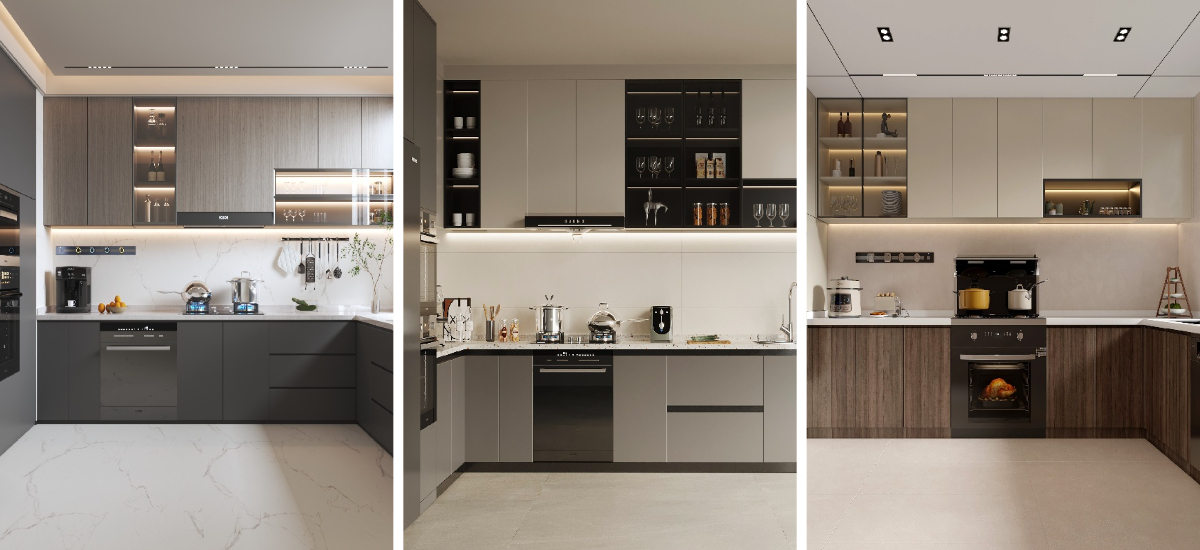
For finishes, matte and satin are trending globally in 2026, as they hide fingerprints and smudges better than high-gloss finishes and add a subtle elegance to any kitchen. Painted cabinets in soft blues, muted greens, or light wood tones are also popular, while wood stains remain a classic choice for homeowners who want to highlight the natural grain of solid or engineered wood. In Asian markets, light wood finishes with minimal color accents are preferred, while in Western markets, bolder colors and two-tone finishes are gaining traction.
Step 4: Design the Layout & Storage Solutions for Your Lifestyle
Once you’ve chosen your materials and finishes, it’s time to design the layout and storage features to customize kitchen cabinets that fit your space, lifestyle, and cooking habits. Work with a certified kitchen designer (or use user-friendly DIY design software like SketchUp or Houzz Pro) to create a layout that optimizes flow and functionality. Popular layouts for 2026 include U-shaped (ideal for large kitchens, offering ample counter space and storage), L-shaped (versatile for small to medium spaces, fitting into corners to save space), and straight-line (perfect for narrow kitchens in apartments or small homes). For open-concept kitchens, which are trending globally, custom cabinets can be designed to blend seamlessly with living or dining areas, creating a cohesive look. For storage, incorporate features like pull-out drawers with dividers (for utensils and cookware), lazy susans (for corner cabinets), built-in spice racks, and walk-in or pull-out pantries to maximize organization. For small spaces, tall cabinets that reach the ceiling are a game-changer, as they provide extra storage without sacrificing floor space. Don’t forget to include adjustable shelves, which allow you to adapt your cabinets to changing needs over time—such as adding more space for large pots as your family grows or adjusting shelf height for new appliances.
Step 5: Select Hardware & Finalize Details for a Polished Look
Hardware may seem like a small detail, but it can significantly impact the look, functionality, and durability of your custom cabinets. When you customize kitchen cabinets, choose hardware that complements your design style, is durable enough for daily use, and fits your budget. Popular hardware trends for 2026 include matte black (versatile and modern, popular globally), brushed gold (elegant and warm, favored in North America and Europe), and brass (timeless and luxurious, trending in high-end kitchens). Handles and knobs come in a variety of styles, from sleek and minimalist to ornate and traditional, so choose options that match your cabinet doors (e.g., shaker doors pair well with simple, clean handles, while raised-panel doors look great with more ornate knobs). Soft-close hinges and drawer slides are also a must-have feature in 2026, as they prevent slamming, reduce noise, and extend the life of your cabinets by reducing wear and tear. Finalize other details, such as the type of door (e.g., shaker, flat-panel, or raised-panel), the style of drawer fronts, and any decorative elements like crown molding or glass inserts, to ensure your cabinets are both functional and visually appealing.
Step 6: Hire Professionals or DIY Installation (With Expert Tips)
The final step to customize kitchen cabinets is installation, which requires precision and attention to detail to ensure your cabinets are level, secure, and properly aligned. While DIY installation is possible for experienced enthusiasts with the right tools (such as a spirit level, cordless drill, and cabinet clamps), it’s often best to hire professionals—especially for complex designs, large kitchens, or cabinets made from high-end materials. According to Houzz, 90% of homeowners hire professionals for kitchen renovations, with 58% working with licensed tradespeople for cabinet installation. Professional installers have the tools, expertise, and experience to avoid common mistakes like uneven doors, loose hinges, or misaligned cabinets, which can ruin the look and functionality of your custom cabinetry. If you choose to DIY, follow the manufacturer’s instructions carefully, enlist a helper to lift heavy cabinets (which can weigh 50-100 pounds each), and use a spirit level to check for levelness and plumbness at every step. For global wholesale buyers, working with manufacturers who offer installation guidance or partner with local installers in target markets can help ensure customer satisfaction.
2026 Trends to Consider When You Customize Kitchen Cabinets
To ensure your custom cabinets feel modern and on-trend in 2026, and appeal to both homeowners and global audiences, incorporate these popular design elements when you customize kitchen cabinets. These trends balance aesthetics and functionality, making them a smart choice for any kitchen renovation project. We’ve included regional insights to help you tailor your choices to specific markets, whether you’re a homeowner or a global cabinet business looking to stay ahead of industry demands.
1. Colorful Cabinets with Regional Variations
As mentioned earlier, blue and green are the top trending cabinet colors for 2026, surpassing traditional neutrals like grey and white. Soft blues (such as navy, sky, and powder blue) add a calming touch to kitchens and pair well with a variety of countertop materials, from quartz to granite. Muted greens (like sage, olive, and forest green) bring a natural, organic feel to the space, aligning with the global trend toward biophilic design. For a bold statement, consider two-tone cabinets—e.g., blue lower cabinets and white upper cabinets in North American kitchens, or light wood upper cabinets and terracotta lower cabinets in European kitchens. In Asian markets, subtle color accents (like a single green accent cabinet) paired with light wood tones are more popular, as they maintain a clean, minimalist look.
2. Open Shelving Combinations for Visual Interest & Function
Open shelving paired with closed custom cabinets is a popular trend for 2026, as it adds visual interest while providing both display and hidden storage. This combination works well in both modern and rustic kitchens, and can be tailored to different regional preferences. Use open shelves to showcase decorative items (like ceramic dishes or glassware), cookbooks, or frequently used kitchen tools, and closed cabinets for clutter and less frequently used items (like seasonal cookware or bulk food). In European kitchens, open shelving made from reclaimed wood adds a rustic touch, while in North American kitchens, sleek floating shelves in white or black are trending. In Asian kitchens, open shelving is often paired with glass cabinet doors to create a light, airy feel without sacrificing storage.
3. Smart Storage Features for Modern Lifestyles
Smart storage is a top priority for homeowners worldwide, and custom cabinets are the perfect way to incorporate these features when you customize kitchen cabinets. Think pull-out pantries with adjustable shelves (ideal for organizing food items and small appliances), built-in charging stations for phones, tablets, or small kitchen gadgets (a must-have for tech-savvy homeowners), and sensor-activated lights inside cabinets (which turn on automatically when you open the door, making it easier to find items in dark corners). Other popular smart storage features include drawer dividers for utensils, pull-out cutting boards that save counter space, and built-in wine racks or beverage coolers for entertaining. These features enhance functionality, make your kitchen more efficient, and align with the growing demand for practical, user-friendly spaces—both for homeowners and for global buyers looking to offer competitive products.