Kitchen Cabinet 2026 Guide
The global kitchen cabinet market reached $85.06B in 2024, projected to grow at 4.3% CAGR to $129.58B by 2034. Regional share: North America 34% (remodeling demand), Asia-Pacific 29% (urbanization), Europe 23% (sustainability), Middle East & Africa 14% (luxury demand). Key U.S. insight: 46% of households invest in kitchen renovations, over 52% prefer custom/semi-custom cabinets.
Top 2026 Kitchen Cabinet Design Trends for Buyers
1.Sustainable & Eco-Friendly Materials Take Center Stage
• Plywood: Recognized for its strength, moisture resistance, and sustainability, plywood is a top choice for high-quality cabinets. Unlike particle board, plywood is made from layered wood running both lengthwise and crosswise, offering superior screw-holding power and resistance to damage from moisture or impact—critical for kitchen environments near sinks and faucets.
• Bamboo: A fast-renewable resource, bamboo is gaining traction for its durability and modern appearance. It is often used in modular kitchen cabinets and is particularly popular in Asian-Pacific and European markets.
2. Smart Kitchen Cabinets: Technology Integration for Functionality
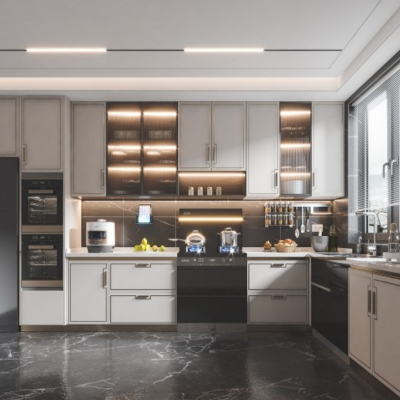
• Motion-Sensor Lighting: Built-in LED lights that activate when cabinets are opened, improving visibility and energy efficiency. This feature is increasingly common in both residential and commercial kitchen cabinets.
• Built-In Charging Stations: Hidden USB ports and wireless charging pads in kitchen islands and upper cabinets, addressing the need for convenient device charging in modern kitchens.
3. Modular & Customizable Designs for Space Optimization Key customization options trending include:
• Adjustable Shelves & Drawers: Flexible storage solutions that accommodate different-sized items, from cookware to small appliances.
For buyers, modular kitchen cabinets offer scalability and versatility, as they can be adapted to different regional markets and client needs. Partnering with manufacturers that offer customizable modular solutions will be key to meeting diverse buyer demands.
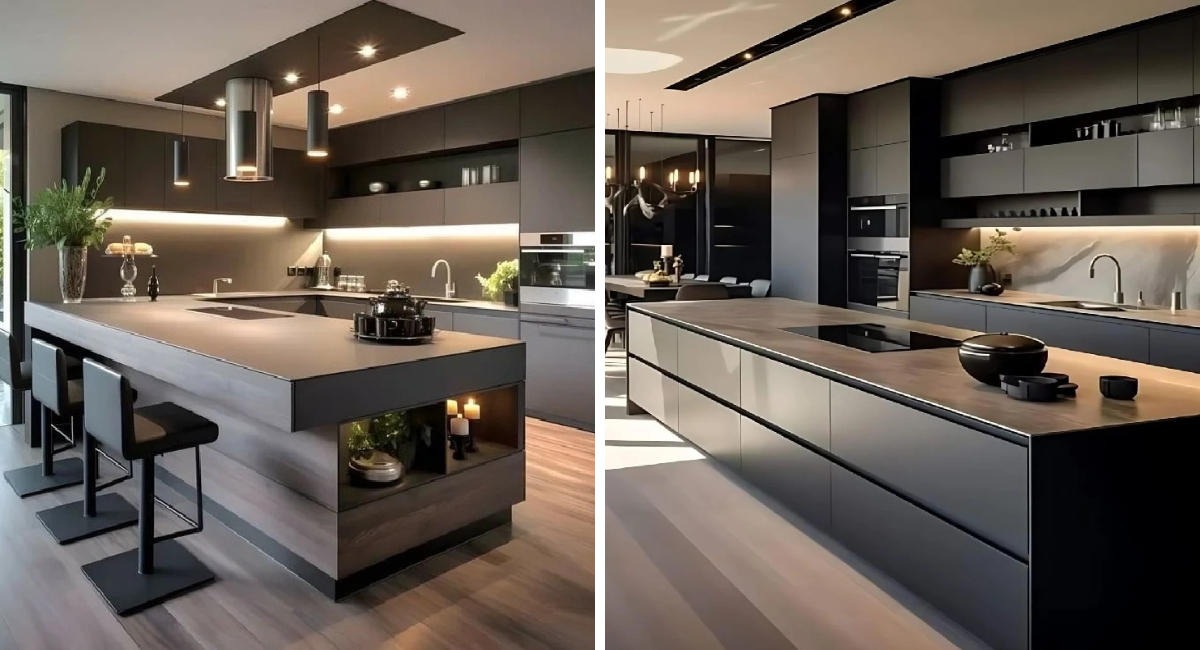
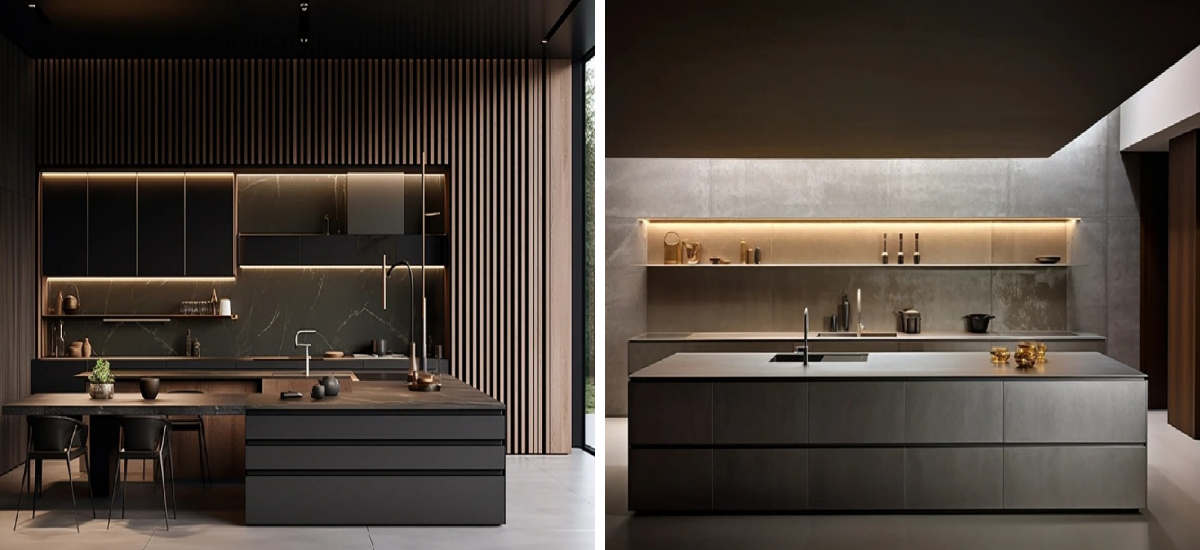
Minimalism remains a dominant trend in kitchen cabinet design, but 2026 sees a shift toward warm minimalism—clean lines paired with bold accents and natural textures. Key aesthetic trends include:
• Glass-Front Cabinets: Partial glass-front upper cabinets to display decorative items, blending functionality with aesthetics. Frosted glass is a popular choice for privacy while maintaining light flow.
Key Manufacturing Technologies Shaping 2026 Trends
• CNC Routing & Digital Cutting: Computer-controlled cutting machines (such as Holzma HP series connected to Cut Rite software) ensure precision in cutting materials like plywood, MDF, and particle board, reducing waste and improving consistency. This technology is essential for producing custom and modular cabinets with tight tolerances.
• 3D Design & Visualization: Manufacturers use 3D modeling software to create virtual kitchen cabinet designs, allowing buyers and their clients to visualize the final product before production. This reduces lead times and minimizes design errors, as adjustments can be made digitally without wasting materials or delaying production schedules. Additionally, 3D visualization tools enable buyers to present realistic cabinet designs to their own clients, improving communication and increasing conversion rates.
FAQ: Common Questions for Buyers on Kitchen Cabinet Design Trends
To help buyers make informed decisions, we’ve addressed the most frequently asked questions about 2026 kitchen cabinet design trends:
Q1: Which materials are most cost-effective for sustainable kitchen cabinets?
Recycled composites and plywood are the most cost-effective sustainable materials. Recycled composites are made from recycled wood particles and low-VOC adhesives, meeting E0/E1 emission standards, while plywood offers superior durability and moisture resistance at a mid-range price point. Both materials balance sustainability, cost, and performance, making them ideal for bulk orders.
Q2: Are smart kitchen cabinets a viable long-term investment for buyers?
Yes. The global smart kitchen cabinet market is growing rapidly, with 18% of new installations incorporating smart technologies and 26% of buyers seeking AI-enabled systems. As smart home adoption increases, demand for these cabinets will continue to rise. Buyers who invest in smart kitchen cabinets can capture premium margins and build long-term relationships with clients seeking modern, functional solutions.
Q3: How can buyers adapt to regional differences in kitchen cabinet design trends?
Regional preferences vary significantly: North America favors custom cabinets and warm wood tones; Europe prioritizes sustainability and minimalist design; Asia-Pacific demands space-saving modular solutions; and the Middle East & Africa leans toward luxury finishes. Buyers should partner with manufacturers that offer regional customization, such as adjusting sizes, materials, and aesthetics to fit local markets. Additionally, staying updated on regional regulations (e.g., environmental standards in Europe) is critical to avoiding supply chain disruptions.
Q4: What is the typical lead time for custom and modular kitchen cabinets?
Lead times vary by manufacturer and order size. Modular kitchen cabinets typically have a lead time of 2–4 weeks for bulk orders, as they are pre-fabricated. Custom cabinets, which require personalized design and manufacturing, have a longer lead time of 4–8 weeks. Working with manufacturers that use digital manufacturing technologies (e.g., CNC routing, 3D modeling) can help reduce lead times by streamlining the design and production process.
Action Call for Buyers
2026 is a pivotal year for the kitchen cabinet industry, with sustainability, smart technology, modular design, and warm minimalism leading the way. For buyers—retailers, distributors, and construction partners—aligning your product offerings with these kitchen cabinet design trends is essential to staying competitive and meeting the evolving needs of your clients.
To capitalize on these trends, partner with a trusted manufacturer that prioritizes innovation, quality, and customization. Look for partners that offer sustainable materials, smart technology integration, modular solutions, and compliance with global standards. Whether you’re sourcing bulk orders for residential projects or custom solutions for commercial clients, staying ahead of these trends will help you expand your market share and build lasting client relationships.
Ready to elevate your kitchen cabinet offerings? Contact our team today to learn how we can help you source trend-aligned, high-quality kitchen cabinets tailored to your needs—backed by reliable manufacturing, competitive pricing, and on-time delivery.