For Future Southeast Asian Hotel Design, Which Elements Are Most Worth Referencing?
As tourism and hospitality grow rapidly across Southeast Asia, hotel buyers, developers, and importers face intense pressure to create spaces that attract guests, lower operating costs, and maintain long-term value. Many projects fail because they follow outdated aesthetics, ignore regional climate challenges, or choose low-quality materials that raise long-term expenses.
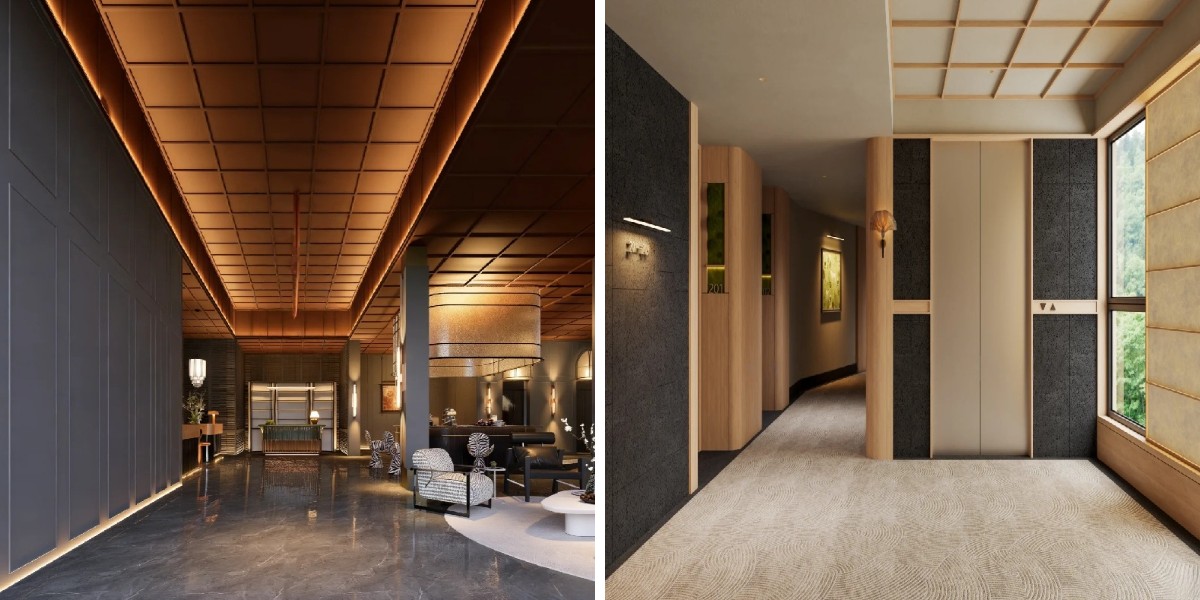
Common Pain Points in Southeast Asian Hotel Design & Renovation
Hotel buyers and operators in Southeast Asia often struggle with these recurring issues:
High Humidity & Climate Damage
Tropical moisture causes wood warping, mold, fabric odor, and metal corrosion. Frequent repairs increase costs and hurt guest experience.
Unstable Cost Control
Many projects underestimate maintenance, replacement, and energy costs. Low upfront prices lead to high total cost of ownership (TCO).
Generic Design That Lacks Local Identity
Copying Western or generic luxury styles makes hotels forgettable. Guests increasingly seek authentic, regionally rooted experiences.
Poor Durability in High-Traffic Areas
Furniture and finishes wear out quickly in lobbies, restaurants, and guest rooms. Short replacement cycles disrupt operations and reduce profits.
Low Operational Efficiency
Complicated layouts, hard-to-clean surfaces, and poor ventilation increase labor and energy costs.
Understanding these pain points is the first step to choosing the right elements in future Southeast Asian hotel design.
Core Solutions: Key Elements for Future Southeast Asian Hotel Design
The most valuable elements in future Southeast Asian hotel design balance local culture, climate adaptation, sustainability, and commercial practicality.
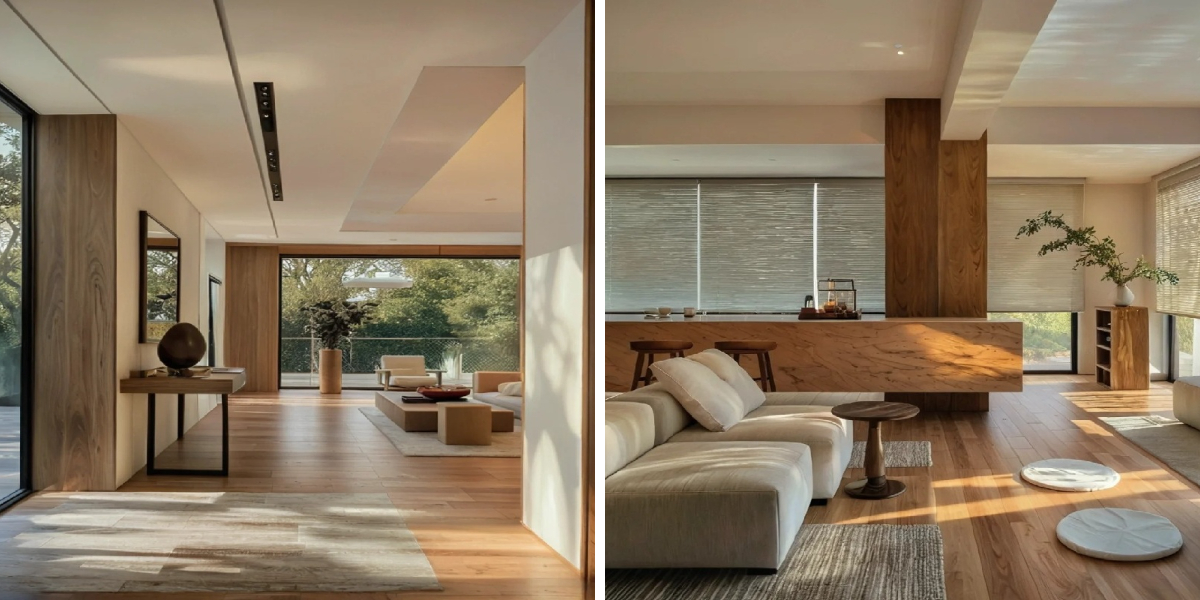
1. Climate-Responsive Biophilic Design
Biophilic design brings nature indoors while improving ventilation and lighting. It reduces energy use and creates a calm atmosphere ideal for tropical regions.
· Large windows and skylights for natural light
· Indoor green walls and vertical gardens
· Open layouts to improve cross-ventilation
· Outdoor-integrated spaces like terraces and garden lounges
This element directly lowers energy bills and enhances guest satisfaction.
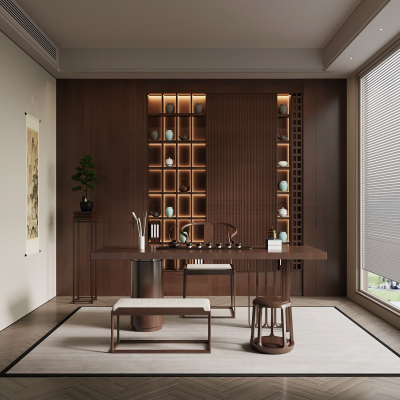
2. Modernized Local Cultural Identity
Contemporary re-interpretation of Southeast Asian crafts and patterns creates unique brand recognition without looking old-fashioned.
· Simplified traditional carvings and weavings
· Local material storytelling (rattan, bamboo, teak, stone)
· Neutral base colors with cultural accent details
Guests remember and share hotels with strong, authentic regional character.
3. Sustainable & Low-Maintenance Materials
Eco-certified, durable materials reduce replacement frequency and support green branding.
· FSC-certified solid wood and engineered wood
· Moisture-resistant plywood and composite panels
· Stain-resistant, anti-mold upholstery
· UV-stable outdoor fabrics
Sustainability is no longer optional in future Southeast Asian hotel design; it is a standard guest expectation.
4. Flexible Multi-Functional Spaces
Spaces that adapt to different uses improve occupancy and revenue.
· Day-to-night dining and lounge areas
· Guest rooms with work, rest, and storage zones
· Multi-purpose event areas
Flexibility boosts long-term profitability in a changing market.
Material & Technical Advantages for Southeast Asian Hotels
Material selection is critical to performance in tropical climates.
Preferred Materials for Long-Term Performance
· Teak & Merbau: Natural oil resists humidity, insects, and decay; ideal for indoor and outdoor use.
· Engineered Bamboo & Rattan: Light, eco-friendly, and stable; less warping than solid wood.
· High-Density Plywood (E0/E1): Low formaldehyde, stable structure, cost-effective.
· Anti-Mold & Water-Resistant Finishes: Protects against Southeast Asia’s year-round humidity.
· Commercial-Grade Upholstery: Martindale 50,000+ cycles, stain-repellent, easy to clean.
Technical Benefits
· Moisture control extends furniture lifespan to 8–12 years.
· Low-maintenance surfaces reduce cleaning labor by 20–30%.
· Passive ventilation cuts air conditioning use.
· Precision CNC manufacturing ensures consistency for bulk hotel orders.
These advantages make future Southeast Asian hotel design both high-quality and operationally efficient.
Cost vs. Durability Analysis for Hotel Buyers
For hotel buyers, balancing upfront cost and long-term durability is essential.
Short-Term Cost vs. Long-Term Value
· Low-cost materials: 10–15% cheaper upfront, but need replacement every 3–4 years.
· Mid-premium commercial-grade materials: Slightly higher initial cost, but last 8–12 years with minimal maintenance.
· Total cost of ownership (TCO) is far lower with durable materials.
Landed Cost Breakdown
· Material and manufacturing
· Moisture-proof and wear-resistant finishes
· Eco-certifications
· Stable packaging for sea freight
· Quality inspection
Transparent budgeting prevents hidden expenses in future Southeast Asian hotel design projects.
ROI Impact
Hotels with durable, climate-appropriate design have:
· Lower maintenance and replacement costs
· Higher guest satisfaction and repeat bookings
· Stronger pricing power and brand positioning
Investing in quality improves long-term returns.
Real-World Application Cases
These practical examples show how smart design choices drive success.
Case 1: Urban Boutique Hotel – Bangkok
The project adopted future Southeast Asian hotel design with modern Thai patterns, teak furniture, and vertical gardens. Result: Guest satisfaction increased 38%, and social media sharing rose significantly.
Case 2: Beach Resort – Bali
Using teak, UV-resistant fabrics, and open ventilation, the resort reduced maintenance cost by 45% and extended furniture life to 10+ years.
Case 3: Business Hotel – Ho Chi Minh City
Flexible room layouts and multi-functional public spaces improved daily revenue per available room (RevPAR) by 22%.
In every case, design elements directly improved operational and financial performance.
Step-by-Step Procurement Guide for Hotel Buyers
Follow this structured process to reduce risk and ensure consistency.
1.Define project requirementsLocation, star rating, climate challenges, style, quantity, and certification needs.
2.Select qualified suppliersChoose manufacturers with experience in future Southeast Asian hotel design and hotel FF&E.
3.Sample evaluationTest material durability, finish, moisture resistance, and comfort.
4.Confirm quotation and contractInclude pricing, lead time, quality standards, packaging, and after-sales terms.
5.Pre-production and mass productionFreeze design details; arrange inspections during production.
6.Shipment and after-sales supportUse export-grade packaging; track logistics; access warranty service.
This process ensures smooth, reliable procurement for hotel projects.
Professional Advice & Call to Action
Key Expert Recommendations
· Prioritize climate adaptation over pure aesthetics in future Southeast Asian hotel design.
· Choose commercial-grade, low-maintenance materials to lower TCO.
· Use subtle local cultural elements to build identity without over-decoration.
· Partner with suppliers experienced in hotel bulk orders and tropical environment solutions.
· Test samples before mass orders to avoid quality risks.
Next Steps
If you are planning a hotel project, renovation, or bulk procurement in Southeast Asia, we can help you select the most valuable design elements and durable materials. We provide:
· Free project design consultation
· Custom FF&E solutions for future Southeast Asian hotel design
· Transparent, factory-direct pricing
· Sample evaluation support
· Full quality control and logistics support