High Quality White Kitchen Cabinets Supplier For Importers: A Strategic Guide To Sourcing Excellence
As global demand for premium kitchen renovations grows, quality, durability and aesthetics are key for brands and distributors. Homeowners and designers across North America, Europe and the Middle East prefer white kitchen cabinets that offer timeless style, functional storage and long-term reliability. In a competitive market with many low-cost options, international importers need reliable high-quality suppliers that meet global standards and support long-term business growth. This guide covers market trends, product features and supplier evaluation to help importers make smart sourcing decisions.
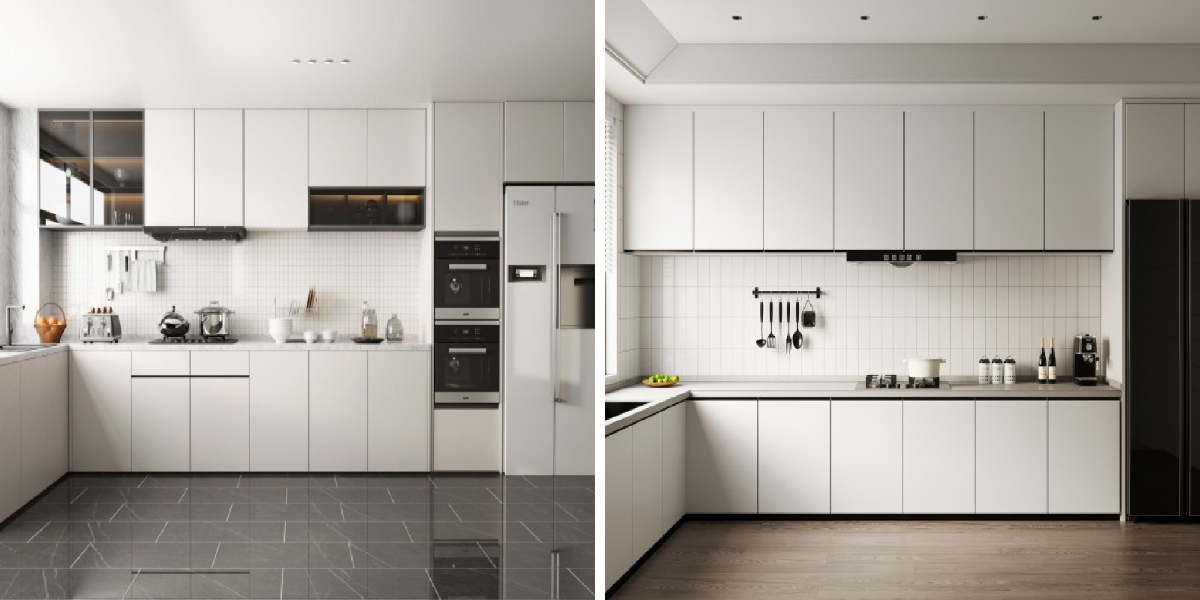
Global Market Background: The Rise of White Kitchen Cabinets
The global kitchen cabinet market has maintained steady growth, supported by:
· Rising residential construction and renovation activities across key regions
· Growing preference for minimalist, bright, and versatile interior design aesthetics
· Expansion of premium home improvement trends, especially in mature markets
· Increasing demand for sustainable, low-VOC, and eco-friendly cabinetry materials
Today’s buyers no longer settle for basic cabinetry alone; they expect high-quality white kitchen cabinets that offer superior finish durability, functional hardware, and customizable design options. As a result, importers are reassessing their supplier partnerships, prioritizing manufacturers that can balance cost efficiency with uncompromising quality.
According to a 2024 report by Statista, the global kitchen cabinet market is projected to reach $85.3 billion by 2028, with a CAGR of 5.2% from 2024 to 2028. White cabinetry remains the most popular color choice, accounting for over 40% of global sales, driven by its ability to enhance perceived space, reflect natural light, and complement a wide range of design styles.
Traditional White Kitchen Cabinets: Core Technology Behind High-Quality White Kitchen Cabinets
High-quality white kitchen cabinets rely on precision engineering and premium materials. Common construction includes:
· Solid wood or multi-ply plywood frames (birch, maple, or oak) for structural integrity
· Water-based, low-VOC white finishes (lacquer, enamel, or painted) for durability and safety
· Dovetail joints and mortise-and-tenon joinery for drawer and door stability
· Soft-close hinges and drawer slides for smooth, quiet operation
· Moisture-resistant coatings to withstand kitchen humidity and temperature fluctuations
Performance depends on material quality, finish application, and hardware selection. Top-tier white kitchen cabinets can retain their color and finish for 15+ years with proper care, resisting chipping, fading, and yellowing even in high-traffic kitchens.
Advantages for Importers & End Users
1. Timeless Aesthetic: White cabinetry complements modern, farmhouse, and transitional design styles, ensuring broad market appeal.
2. Space Enhancement: Bright white finishes reflect light, making small kitchens appear larger and more open.
3. Resale Value: Homes with white kitchens typically command higher resale prices, driving consumer demand.
4. Customization Flexibility: White cabinets can be paired with diverse countertop materials (quartz, granite, marble) and hardware finishes (brass, chrome, black).
5. Easy Maintenance: Stains and spills are easily visible and removable, simplifying daily upkeep for homeowners.
For mid-range and premium importers, high-quality white kitchen cabinets remain a dependable solution for capturing market share in competitive regions.
Modern White Kitchen Cabinets: Blending Tradition with Innovation Active Design & Functionality Technology
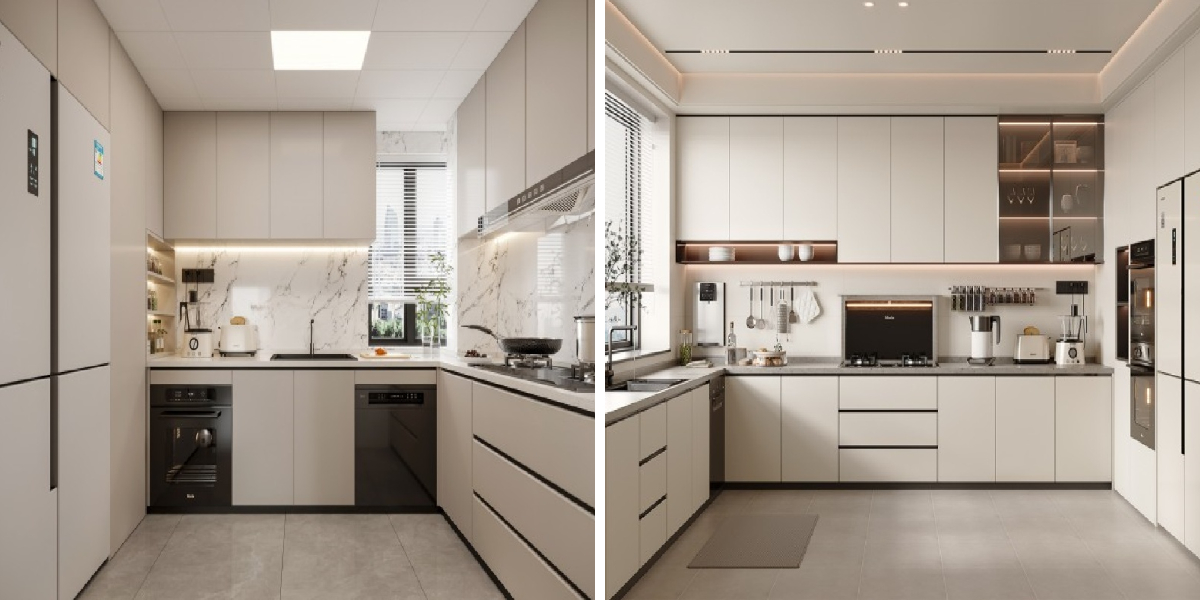
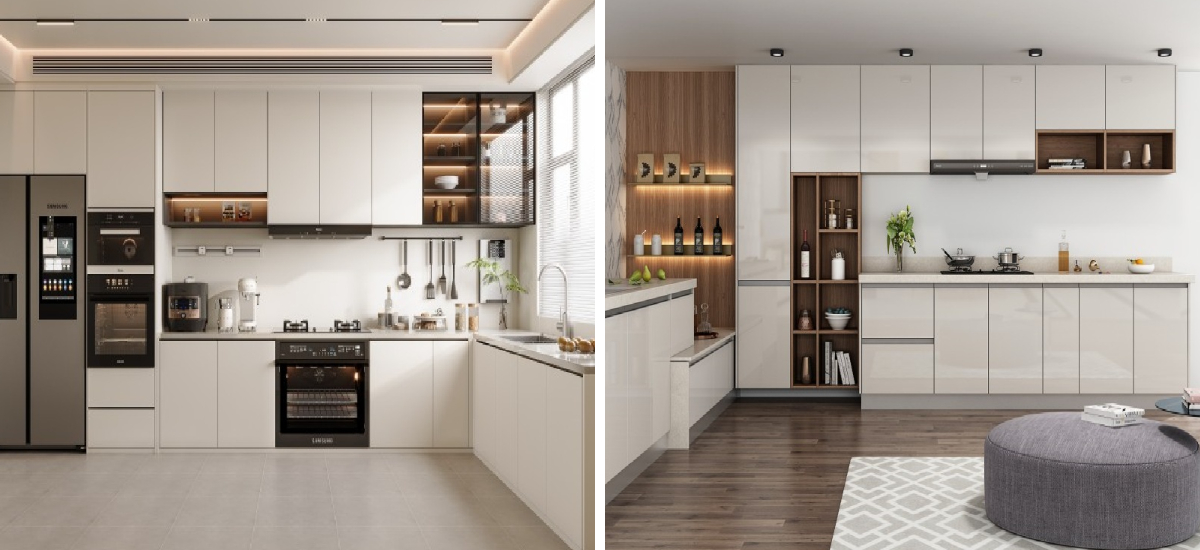
Modern white kitchen cabinets integrate traditional craftsmanship with cutting-edge features, including:
· Smart storage solutions (pull-out pantries, hidden charging stations, and corner organizers)
· Integrated LED under-cabinet lighting for ambiance and task visibility
· Eco-friendly materials (FSC-certified wood, recycled composite panels)
· Hybrid finishes (matte white, high-gloss, and two-tone combinations)
· Anti-microbial coatings for enhanced hygiene in food preparation areas
These innovations enhance functionality while preserving the clean, bright aesthetic of white cabinetry, creating products that resonate with tech-savvy and design-conscious consumers.
Advantages in Contemporary Kitchens
1. Adaptable Layouts: Modular cabinet designs allow for flexible configurations, catering to small urban kitchens and large open-concept spaces.
2. Sustainability Credentials: Low-VOC finishes and responsibly sourced materials align with global eco-friendly trends, appealing to conscious buyers.
3. Brand Differentiation: Innovative features like smart storage and LED lighting enable importers to position their products as premium, forward-thinking solutions.
4. Long-Term Durability: Modern construction techniques reduce wear and tear, minimizing warranty claims and customer complaints.
5. Market Relevance: White cabinetry continues to dominate interior design trends, ensuring sustained demand across diverse markets.
Supplier Evaluation: Key Criteria for Importers
When selecting a high-quality white kitchen cabinets supplier, importers must prioritize:
1. Material Sourcing: Verify the use of FSC-certified wood, low-VOC finishes, and durable hardware to meet global safety and sustainability standards.
2. Manufacturing Expertise: Assess the supplier’s experience in producing white cabinetry, including finish application techniques and quality control processes.
3. Customization Capabilities: Ensure the supplier can accommodate diverse design requests, from door styles (shaker, flat-panel) to size specifications.
4. Compliance & Certification: Confirm adherence to international standards (e.g., CARB P2, EPA, CE) to avoid regulatory delays in target markets.
5. Supply Chain Reliability: Evaluate lead times, production capacity, and contingency plans to mitigate risks associated with global logistics disruptions.
6. Cost Transparency: Request detailed pricing breakdowns to avoid hidden fees and ensure alignment with budgetary constraints.
Market Trends & Strategic Insights Key Consumer Drivers
· Sustainability: 72% of global homeowners prioritize eco-friendly kitchen products, driving demand for low-VOC white cabinetry.
· Minimalist Design: The rise of “quiet luxury” trends has increased demand for clean, bright white kitchens with streamlined cabinetry.
· Smart Home Integration: 45% of new home buyers seek kitchen features that integrate with smart home technology, such as under-cabinet lighting and charging stations.
· Resale Value: Real estate agents consistently rank white kitchens as a top selling point, fueling consumer investment in high-quality cabinetry.
Strategic Recommendations for Importers
1. Prioritize Quality Over Cost: Partner with suppliers that use premium materials and rigorous quality control to reduce long-term warranty and replacement costs.
2. Leverage Customization: Offer diverse door styles, finish options, and storage solutions to cater to regional design preferences and niche markets.
3. Highlight Sustainability: Emphasize FSC certification and low-VOC finishes in marketing materials to appeal to eco-conscious buyers.
4. Build Long-Term Partnerships: Collaborate with suppliers to streamline production, reduce lead times, and co-develop innovative products that align with market trends.
5. Invest in Quality Assurance: Conduct regular factory audits and product testing to ensure consistency and compliance with global standards.
Conclusion: Choosing the Right Supplier for Long-Term Success
In a market defined by shifting consumer preferences and increasing competition, selecting a high-quality white kitchen cabinets supplier is not just a sourcing decision—it’s a strategic investment in brand reputation and market growth. By prioritizing material quality, manufacturing expertise, and sustainability, importers can position themselves as trusted partners for retailers, designers, and homeowners worldwide.
As the global kitchen renovation market continues to evolve, white cabinetry will remain a cornerstone of modern interior design, offering timeless appeal, functional versatility, and enduring value. For international importers, partnering with a reputable supplier that delivers consistent quality and innovative solutions is the key to unlocking new opportunities and building a sustainable, profitable business.