Custom Wardrobe Design OEM Guide: From Concept to Bulk Production
As a global buyer, sourcing custom wardrobe design OEM products can be a complex yet rewarding process. Whether you’re catering to luxury residential projects, hotel chains, or large-scale apartment developments, partnering with the right OEM manufacturer to bring your custom wardrobe design concepts to life—from initial sketches to bulk production—requires careful planning, clear communication, and a deep understanding of the entire supply chain. This comprehensive guide is tailored to help overseas purchasers navigate every step of the custom wardrobe design OEM journey, ensuring your project runs smoothly, meets your quality standards, and delivers products that resonate with your target market. We’ll break down the process, highlight key considerations, and share expert tips to avoid common pitfalls, making your OEM collaboration a success.
1. Introduction: Why Custom Wardrobe Design OEM Is a Game-Changer for Global Buyers
In today’s competitive market, generic wardrobes can no longer meet the diverse needs of end clients—whether it’s a luxury hotel seeking cohesive Italian-style wardrobe design, a developer needing space-saving modular wardrobe design for small apartments, or a retailer looking for unique wood grain wardrobe designs that stand out. Custom wardrobe design OEM allows buyers to create tailored solutions that align with their brand identity, project requirements, and regional market preferences. Unlike off-the-shelf products, OEM custom wardrobe design offers flexibility in materials, finishes, sizes, and functionality, enabling you to differentiate your offerings and gain a competitive edge.
For overseas purchasers, partnering with a reliable OEM manufacturer for custom wardrobe design means access to professional design expertise, cost-effective production, and scalable solutions that can be adapted to bulk orders. Whether you’re new to custom wardrobe design OEM or looking to optimize your existing supply chain, this guide will walk you through every critical step, from refining your concept to ensuring seamless bulk production.
2. Pre-Production: Refine Your Custom Wardrobe Design Concept
The foundation of a successful custom wardrobe design OEM project lies in a clear, well-defined concept. Rushing this stage can lead to miscommunication, delays, and costly revisions later in the process. Here’s how to refine your custom wardrobe design concept to set your project up for success.
2.1 Define Your Project Requirements & Target Market
Before approaching an OEM manufacturer, you need to articulate your core requirements—this will guide every decision from design to production. Start by asking yourself the following questions:
What is the end use of the custom wardrobes? (e.g., hotel projects, residential apartments, luxury villas, retail display)
Who is your target audience? (e.g., high-end consumers, contractors, developers, hotel managers)
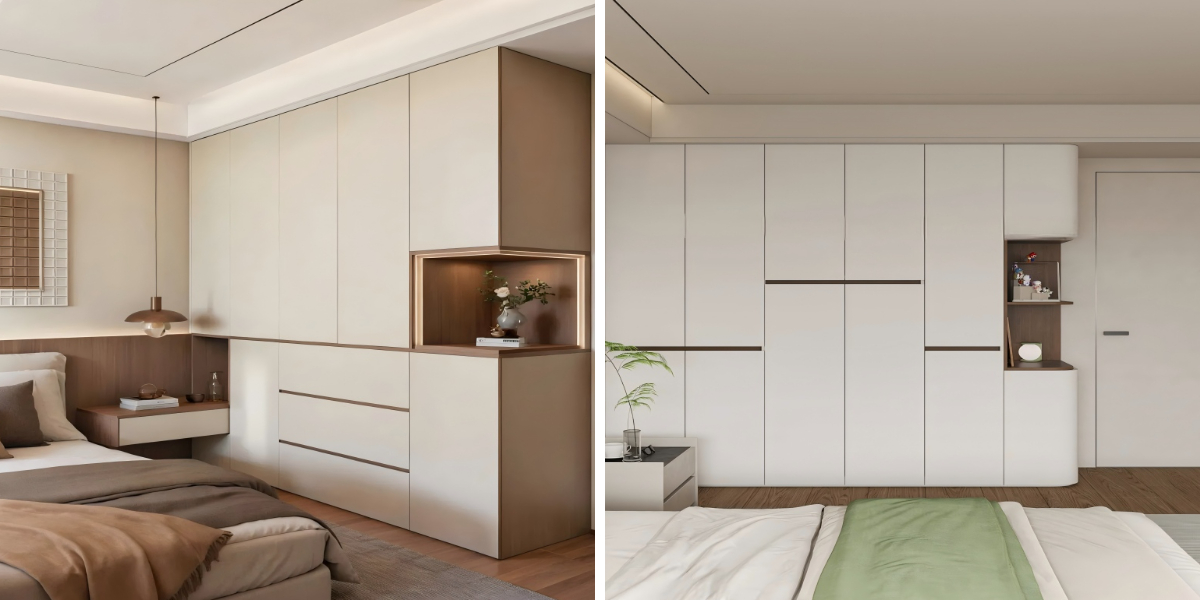
What style of custom wardrobe design are you targeting? (e.g., modern minimalist, Italian luxury, contemporary, built-in, walk-in closet design)
What materials and finishes do you prefer? (e.g., natural wood veneer, high gloss, matte finish, wood grain, metal accents)
What are the key dimensions and space constraints? (e.g., small bedroom wardrobe design, modular sizes for bulk orders)
What functionality do you need? (e.g., built-in storage solutions, drawers, shelves, hanging rods, space-saving features)
What is your order volume? (bulk production requirements, minimum order quantity (MOQ), lead time expectations)
For example, if you’re sourcing custom wardrobe design for hotel projects, you may prioritize durability, easy maintenance, and a cohesive aesthetic that aligns with the hotel’s brand. If your target market is luxury residential clients, natural wood veneer and Italian-style finishing may be key to elevating the custom wardrobe design. Clearly defining these requirements will help your OEM partner understand your vision and deliver products that meet your expectations.
2.2 Research Market Trends & Competitors
To ensure your custom wardrobe design stands out in the global market, it’s essential to research current trends and analyze your competitors. In 2026, key trends in custom wardrobe design include:
Italian-inspired designs with premium finishes (e.g., natural wood veneer, matte lacquer)
Space-saving modular wardrobe design for small living spaces
Sustainable materials and eco-friendly production processes
Smart wardrobe features (e.g., built-in lighting, sensor-activated doors)
Minimalist, clutter-free designs with hidden storage solutions
By understanding these trends, you can refine your custom wardrobe design to meet market demand and differentiate your products from competitors. For example, incorporating sustainable materials into your custom wardrobe design can appeal to eco-conscious buyers, while Italian-style finishing can cater to clients seeking luxury and sophistication.
2.3 Create Detailed Design Specifications
Once you’ve defined your requirements and researched trends, it’s time to create detailed design specifications for your custom wardrobe design. This should include:
Sketches or 3D renderings of the custom wardrobe design (front view, side view, interior layout)
Exact dimensions (height, width, depth) and weight specifications
Material details (e.g., type of wood veneer, thickness, quality grade)
Finish requirements (e.g., high gloss, matte, stain color, paint type)
Hardware specifications (e.g., hinges, handles, drawer slides, brand preferences)
Functional features (e.g., number of drawers, shelves, hanging rods, custom compartments)
Quality standards (e.g., durability, load capacity, finish resistance to scratches/stains)
The more detailed your specifications, the less room there is for misinterpretation. If you don’t have in-house design expertise, many OEM manufacturers offer design services to help refine your custom wardrobe design concept—this can be a valuable resource to ensure your vision is feasible and aligned with production capabilities.
3. Choosing the Right Custom Wardrobe Design OEM Manufacturer
Selecting the right OEM manufacturer is the single most important decision in your custom wardrobe design project. A reliable partner will not only bring your design to life but also ensure quality, on-time delivery, and cost-effectiveness. Here’s how to evaluate and select the best OEM manufacturer for your needs.
3.1 Key Criteria for Evaluating OEM Manufacturers
When researching custom wardrobe design OEM manufacturers, focus on the following criteria to ensure they can meet your requirements:
3.1.1 Production Capabilities
First, verify that the manufacturer has the capacity to handle your custom wardrobe design and bulk production needs. Ask about their production facilities, equipment, and production capacity (e.g., how many units they can produce per month). Ensure they have experience with the materials and finishes you require—for example, if you’re using natural wood veneer, confirm they have expertise in veneer application and finishing.
Also, check if they offer modular production capabilities, which can be beneficial for bulk orders of custom wardrobe design with varying specifications (e.g., different sizes for apartment projects).
3.1.2 Quality Control Standards
Quality is non-negotiable for custom wardrobe design, especially for B2B buyers catering to high-end clients or large-scale projects. Ask the manufacturer about their quality control (QC) processes—do they have a dedicated QC team? What checks do they perform at each stage of production (e.g., material inspection, pre-assembly, final finish)?
Request samples of their previous custom wardrobe design work to evaluate the quality of materials, finishes, and craftsmanship. A reputable OEM manufacturer will be happy to provide samples and share details of their QC certifications (e.g., ISO 9001).
3.1.3 OEM Experience & Expertise
Look for a manufacturer with extensive experience in custom wardrobe design OEM, particularly for your target market. For example, if you’re selling to the Middle East, choose a manufacturer familiar with regional preferences for luxury finishes and sizes. Ask about their past projects—have they worked with overseas buyers before? Can they provide references from other B2B clients?
An experienced OEM partner will also be able to offer valuable insights to optimize your custom wardrobe design for production, reducing costs and improving efficiency. For example, they may suggest adjustments to the design that make it easier to mass-produce without compromising on quality or aesthetics.
3.1.4 Pricing & MOQ
Pricing is a critical factor for B2B buyers, but it should not be the sole consideration. Request detailed quotes from multiple OEM manufacturers, ensuring the quote includes all costs (materials, production, packaging, shipping, taxes). Be wary of unusually low prices—this may indicate poor quality or hidden costs.
Also, confirm the manufacturer’s minimum order quantity (MOQ) for custom wardrobe design. Many OEMs have MOQs for bulk production, so ensure their MOQ aligns with your order volume. If you’re a small buyer, look for manufacturers with flexible MOQs to avoid overstocking.
3.1.5 Communication & Customer Service
Effective communication is essential for a successful OEM partnership, especially when working with overseas manufacturers. Ensure the manufacturer has a dedicated English-speaking team that can respond to your queries promptly (e.g., via email, WhatsApp, or video calls). Ask about their communication process—how often will they provide updates on your project? Who will be your main point of contact?
A manufacturer with strong customer service will be proactive in addressing issues, providing solutions, and keeping you informed throughout the production process. This is particularly important if you need to make changes to your custom wardrobe design mid-production.
3.2 Steps to Vet Potential OEM Manufacturers
Research manufacturers online (e.g., Alibaba, Google, industry directories) and shortlist 3-5 candidates that meet your criteria.
Send a detailed inquiry with your custom wardrobe design specifications, order volume, and requirements. Evaluate their response time and the quality of their reply.
Request samples of their work to assess quality and craftsmanship.
Ask for references and contact past clients to learn about their experience with the manufacturer.
Conduct a virtual or in-person factory tour (if possible) to see their production facilities and QC processes.
Negotiate pricing, MOQ, lead times, and payment terms before finalizing the partnership.
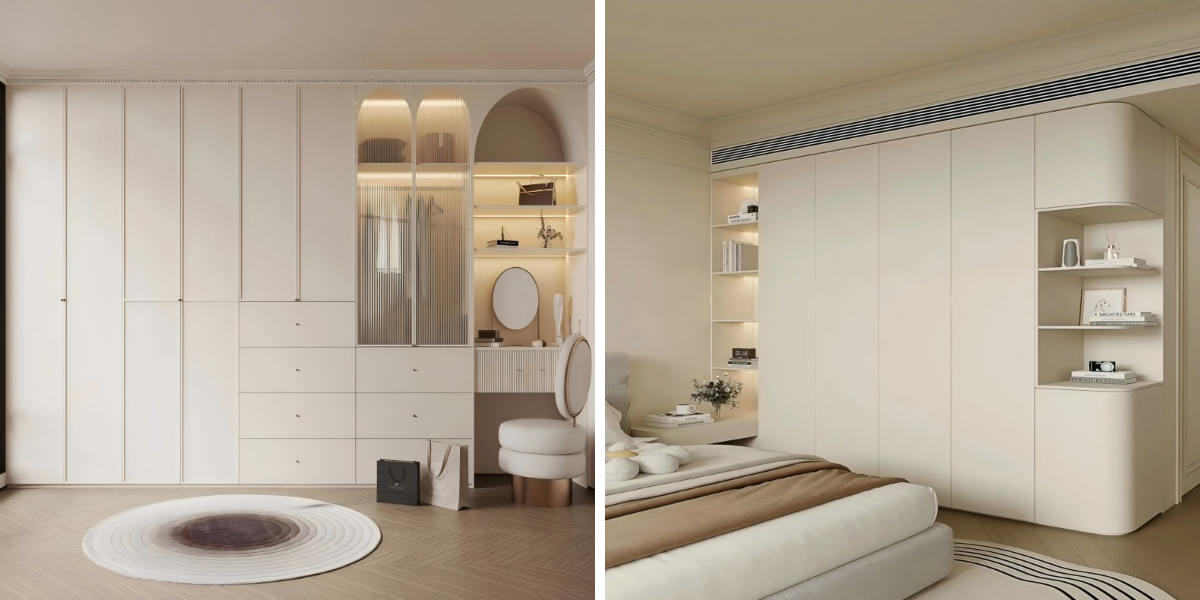
4. The Custom Wardrobe Design OEM Production Process: From Prototype to Bulk Production
Once you’ve selected your OEM manufacturer and finalized your custom wardrobe design specifications, the production process begins. This stage is divided into several key steps, each requiring careful oversight to ensure quality and on-time delivery.
4.1 Prototype Development & Approval
Before starting bulk production, the manufacturer will create a prototype of your custom wardrobe design. This prototype is a full-scale model that allows you to test the design, functionality, and quality before mass production. Here’s what to expect during this stage:
The manufacturer will produce the prototype based on your design specifications, including materials, finishes, and functionality.
You will receive the prototype for inspection—check for any discrepancies in dimensions, finish, hardware, or functionality.
Provide feedback to the manufacturer and request revisions if needed (e.g., adjusting the finish color, modifying the interior layout).
Once you approve the prototype, the manufacturer will finalize the production plan and prepare for bulk production.
Prototype development is a critical step—taking the time to review and approve the prototype ensures that the bulk production run meets your expectations, reducing the risk of costly revisions later.
4.2 Material Sourcing & Preparation
With the prototype approved, the manufacturer will source the materials needed for bulk production. This includes wood, veneer, hardware, finishes, and packaging materials. As a buyer, you can choose to source materials yourself or rely on the OEM manufacturer’s supply chain.
If you’re using specific materials (e.g., premium natural wood veneer), ensure the manufacturer sources materials that meet your quality standards. Ask for material samples before production begins to verify quality. The manufacturer will also prepare the materials for production—this may include cutting wood to size, applying veneer, and prepping surfaces for finishing.
4.3 Mass Production & Quality Control
During bulk production, the manufacturer will follow the approved prototype and design specifications to produce your custom wardrobes. Here’s what happens during this stage:
Cutting and shaping: Wood and other materials are cut to the exact dimensions specified in your custom wardrobe design.
Assembly: The wardrobe components (e.g., frames, doors, drawers) are assembled using high-quality hardware.
Finishing: The wardrobes are finished with the specified paint, stain, or veneer. This may include sanding, priming, painting, and polishing to achieve the desired look.
QC inspections: At each stage of production, the manufacturer’s QC team will perform inspections to ensure quality. This includes checking for defects in materials, assembly, and finish.
As a buyer, you can request regular updates on production progress, including photos or videos of the production line. This allows you to monitor quality and address any issues early.
4.4 Packaging & Shipping
Once production is complete, the custom wardrobes are packaged to ensure they arrive safely at your destination. Packaging is particularly important for overseas shipping, as products may be exposed to rough handling and varying temperatures.
Work with your OEM manufacturer to determine the best packaging solution—this may include bubble wrap, foam padding, cardboard boxes, or wooden crates. Ensure the packaging is labeled clearly with your company name, product details, and shipping information.
The manufacturer will also handle shipping arrangements, or you can choose your own logistics partner. Discuss shipping terms (e.g., FOB, CIF) and lead times to ensure the products arrive on time. For bulk orders, consider container shipping to reduce costs.
5. Post-Production: Quality Assurance & After-Sales Support
The custom wardrobe design OEM process doesn’t end with shipping—post-production support is essential to ensure customer satisfaction and long-term partnerships. Here’s what to focus on after production:
5.1 Inspect the Delivered Goods
When the custom wardrobes arrive, inspect them carefully to ensure they meet your quality standards. Check for any damage during shipping, defects in finish or assembly, and discrepancies in dimensions or functionality. If you find any issues, contact your OEM manufacturer immediately to resolve them.
5.2 After-Sales Support
A reputable OEM manufacturer will offer after-sales support to address any issues that arise after delivery. This may include replacing defective products, providing spare parts, or offering technical support for installation. Discuss after-sales terms with your manufacturer before signing the contract to ensure you have the support you need.
5.3 Build a Long-Term Partnership
If your custom wardrobe design OEM project is successful, consider building a long-term partnership with the manufacturer. This can lead to better pricing, faster lead times, and improved collaboration on future projects. Regular communication with your manufacturer will help them understand your evolving needs and deliver better results.
6. Common Pitfalls to Avoid in Custom Wardrobe Design OEM
Even with careful planning, custom wardrobe design OEM projects can encounter challenges. Here are some common pitfalls to avoid:
6.1 Vague Design Specifications
Failing to provide detailed design specifications can lead to miscommunication and products that don’t meet your expectations. Always provide clear, detailed sketches, dimensions, and material requirements to your OEM manufacturer.
6.2 Choosing the Wrong Manufacturer
Selecting a manufacturer based solely on price can result in poor quality, delays, and hidden costs. Take the time to vet manufacturers based on production capabilities, quality control, and experience.
6.3 Skipping the Prototype Stage
Skipping the prototype stage can lead to costly revisions during bulk production. Always approve a prototype before starting mass production to ensure the design is feasible and meets your standards.
6.4 Poor Communication
Lack of communication between you and your OEM manufacturer can lead to misunderstandings, delays, and defects. Establish clear communication channels and request regular updates on production progress.
6.5 Ignoring Market Trends
Failing to research market trends can result in custom wardrobe designs that don’t appeal to your target market. Stay updated on industry trends to ensure your products are competitive.
7. Conclusion: Maximize Your Custom Wardrobe Design OEM Success
Custom wardrobe design OEM is a powerful way for overseas buyers to create unique, high-quality products that meet the needs of their target market. By following the steps outlined in this guide—refining your design concept, choosing the right OEM manufacturer, overseeing the production process, and focusing on post-production support—you can ensure your project is a success.
Remember, the key to a successful custom wardrobe design OEM partnership is clear communication, detailed planning, and a focus on quality. By investing time in the pre-production stage, vetting manufacturers carefully, and staying involved throughout the production process, you can deliver custom wardrobes that exceed your clients’ expectations and grow your business in the global market.
Whether you’re sourcing custom wardrobe design for hotel projects, residential developments, or retail, this guide provides the tools and insights you need to navigate the OEM process with confidence. With the right partner and a well-executed plan, your custom wardrobe design OEM project can be a seamless, profitable experience.
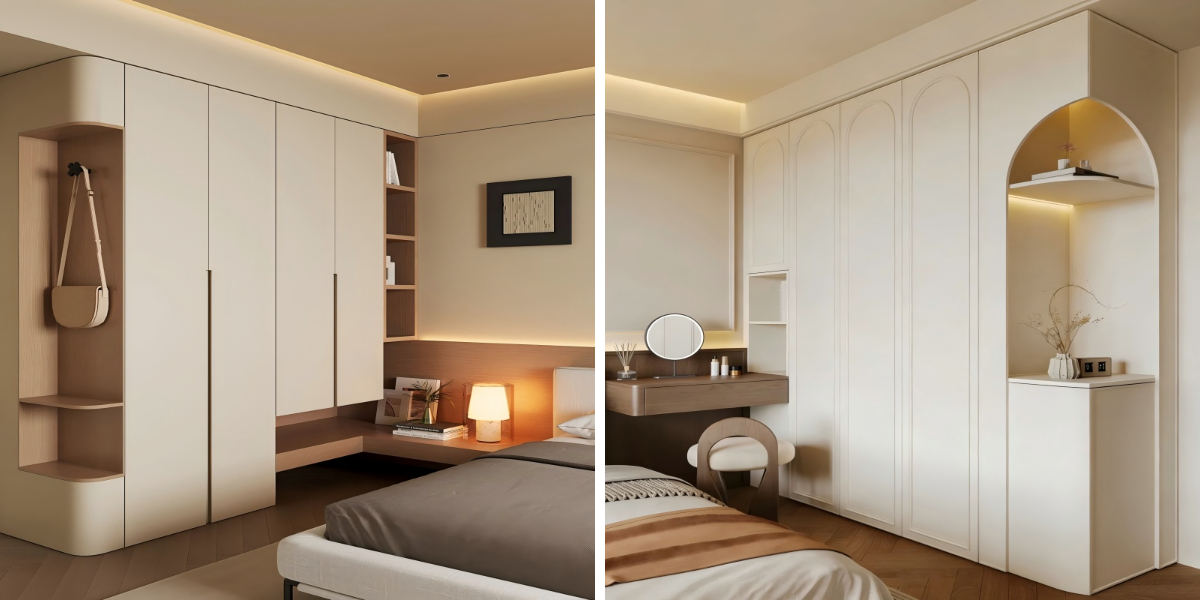
8. FAQ: Common Questions About Custom Wardrobe Design OEM
To address the most common doubts and confusion that global buyers encounter when cooperating with custom wardrobe design OEM, we’ve sorted out key questions and professional answers to help you avoid detours and improve cooperation efficiency.
Q1: What is the minimum order quantity (MOQ) for custom wardrobe design OEM projects?
A: The MOQ for custom wardrobe design OEM varies according to project type. For bulk orders such as hotel projects and residential developments, the MOQ is usually 50 units; for small-batch customized orders, we can provide flexible MOQ solutions (minimum 20 units) to meet the different procurement needs of buyers. All our custom wardrobe design OEM services are tailored to your order volume, ensuring cost-effectiveness while meeting your bulk production requirements.
Q2: Can the custom wardrobe design be adjusted according to regional market preferences?
A: Absolutely. We can adjust the custom wardrobe design according to the preferences of different regional markets. For example, for the Middle East market, we will increase the proportion of luxury Italian-style wardrobe design and natural wood veneer finishes; for European and American markets, we will focus on modern minimalist wardrobe design and space-saving modular wardrobe design. At the same time, we can adjust the color, material and finish of the wardrobe according to your regional market demand, so that the custom wardrobe design is more in line with local consumer habits.
Q3: What materials are available for OEM custom wardrobe design, and which one is more durable?
A: For OEM custom wardrobe design, the main optional materials include natural wood veneer, high-gloss panels, matte panels and eco-friendly composite panels. Among them, natural wood veneer and eco-friendly composite panels are the most durable—they not only retain the texture of wood grain wardrobe design, but also have strong scratch resistance and stain resistance, which are very suitable for hotel projects and bulk residential orders. High-gloss panels are suitable for buyers who pursue a high-end sense, while matte panels are more practical and easy to maintain, which is a popular choice for many B2B buyers.
Q4: How long is the lead time for custom wardrobe design OEM bulk orders?
A: The lead time is determined according to the order volume and custom requirements. For standard custom wardrobe design bulk orders (50-100 units), the lead time is 7-10 working days; for large-scale hotel projects or customized orders with special finishes (such as Italian-style high-gloss coating, natural wood veneer processing), the lead time is 12-15 working days. We will formulate a detailed production schedule according to your order requirements to ensure on-time delivery without delaying your project progress.
Q5: Can I modify the custom wardrobe design during the OEM production process?
A: Yes. If you need to modify the custom wardrobe design (such as adjusting the finish, changing the wood grain style, or modifying the functional layout) during the production process, you can contact our dedicated contact person in time. We will adjust the production plan according to your modification requirements before the key production links (such as material cutting and finishing), ensuring that the modified wardrobe design meets your expectations without increasing additional costs as much as possible.
Q6: What after-sales support do you provide for custom wardrobe design OEM orders?
A: We provide comprehensive after-sales support for all custom wardrobe design OEM orders: first, we provide technical guidance for the installation of custom wardrobes; second, if there are quality problems (such as finish peeling, size deviation) caused by our production, we will provide free replacement or maintenance services; third, we provide long-term spare parts supply support to solve your worries about subsequent maintenance. At the same time, we have a dedicated English after-sales team to respond to your questions within 24 hours.