Paint Cabinets: Market Trends & Professional Painting Tips for Exporters
Explore paint cabinets market trends, eco-friendly painting techniques, regional preferences, and export tips to boost sales and meet global quality standards.
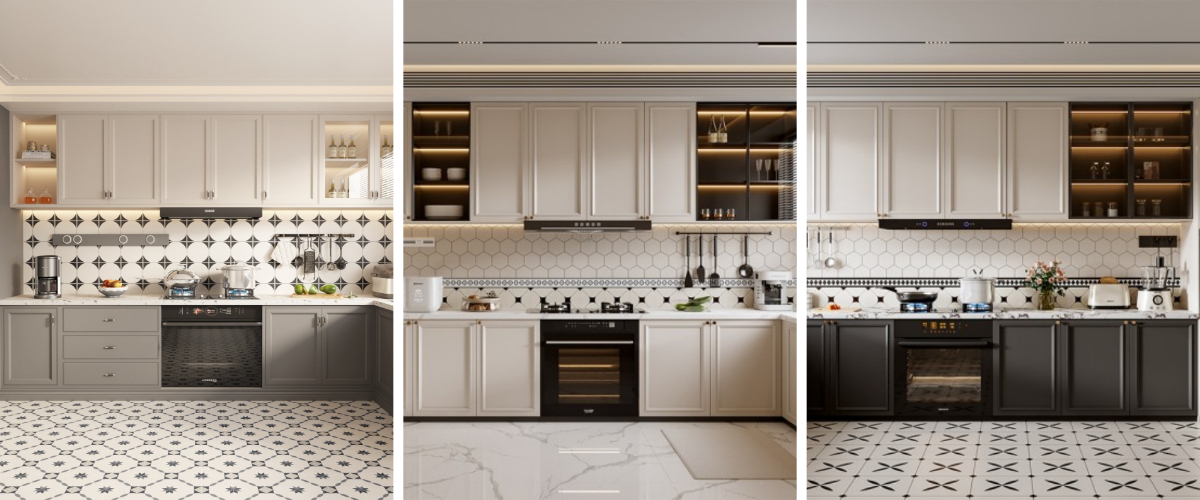
Paint cabinets have emerged as a cost-effective, sustainable alternative to full cabinet replacement, driving massive demand across global residential and commercial markets. As homeowners and businesses seek to refresh spaces without the expense, time, and waste associated with new cabinetry, the global paint cabinets market is projected to grow at a steady CAGR of 6.4% from 2025 to 2032, reaching nearly USD 16.8 billion by 2032 (YHResearch, 2026). This growth is fueled by post-pandemic home renovation booms in Europe and North America, rapid urbanization in Asia-Pacific, and a global shift toward sustainable home improvement practices. For international exporters, this growth presents a significant opportunity—but success requires more than just offering quality products; it demands a deep understanding of regional consumer preferences, professional painting standards, evolving design trends, and global regulatory requirements that shape purchasing decisions. Unlike generic DIY content that targets individual homeowners, this guide is specifically tailored for exporters, combining authoritative industry data, actionable painting insights, export-focused strategies, and real-world case studies to help navigate the competitive paint cabinets market, while ensuring compliance with global quality and environmental standards.
2025-2026 Global Market Trends for Paint Cabinets
To capitalize on the growing demand for paint cabinets, exporters must first grasp the key trends driving the market. These trends are shaped by a complex interplay of consumer preferences for sustainability, aesthetic versatility, and cost efficiency, as well as regional regulatory differences, design norms, and economic factors. Ignoring these trends can lead to misaligned product offerings, high return rates, and missed opportunities in high-growth segments. Below are the most impactful trends exporters need to leverage in 2025-2026 to gain a competitive edge, cater to high-demand segments worldwide, and build long-term client loyalty.
1. Eco-Friendly Paints Dominate Global Demand
Sustainability has transitioned from a “nice-to-have” to a non-negotiable factor for global consumers, retailers, and commercial clients alike, with demand for eco-friendly paint for cabinets for export surging by 38% in 2025 alone (Sustainable Home Association, 2026). Governments across Europe, North America, and Asia-Pacific have implemented stricter regulations on volatile organic compounds (VOCs), limiting VOC emissions to 50g/L or lower for interior cabinet paints—with even stricter limits (20g/L) in countries like Germany, Sweden, and Japan. Exporters who fail to comply with these regulations face costly delays, fines, and lost market access. To stay competitive, exporters should prioritize water-based, low-VOC, and zero-VOC paints, which not only comply with global environmental standards but also appeal to health-conscious consumers concerned about indoor air quality. For example, water-based acrylic paints are gaining significant traction in European markets due to their low odor, quick drying time (4-6 hours for touch-dry, 24 hours for full cure), and recyclable properties, while plant-based paints (made from soy, linseed, or citrus extracts) are emerging as a niche premium segment in North America, commanding a 20-25% price premium. Additionally, eco-certifications such as GREENGUARD Gold, EN ISO 14001, and LEED can significantly boost product credibility, making wholesale cabinet paint supplies for exporters more attractive to major retailers (e.g., Home Depot, IKEA) and commercial clients (hotels, restaurants, property developers) who prioritize sustainability in their supply chains. Exporters should also highlight the environmental benefits of their products in marketing materials—such as reduced carbon footprint during production and recyclable packaging—to further resonate with eco-conscious buyers.
2. Regional Aesthetic Preferences Drive Color & Finish Choices
Regional design norms and cultural preferences play a critical role in shaping demand for paint cabinets, with color and finish choices varying dramatically across global markets. Understanding these nuances is essential for exporters to tailor their products and marketing strategies, avoiding generic offerings that fail to resonate with local consumers. North America, which holds 33% of the global paint cabinets market, favors matte finish paint cabinets for North America—64% of U.S. and Canadian homeowners prefer matte finishes for their fingerprint-resistant properties, easy maintenance, and modern, understated look (ELLE Decor, 2026). Classic white (such as Benjamin Moore’s “Simply White”), soft gray, and navy blue are the top color choices in this region, as they complement a wide range of interior styles from farmhouse to contemporary, and retain their appeal through seasonal design trends. Many North American consumers also opt for subtle color variations, such as off-white with warm undertones, to add warmth to their spaces without sacrificing versatility. Europe, with a 23% market share, leans heavily toward high-gloss and satin finishes for paint cabinets, paired with neutral tones like off-white, light beige, and charcoal gray. Professional paint cabinets techniques for European markets often emphasize smooth, flawless applications—achieved through spray painting rather than brushing—to maintain the sleek, minimalist aesthetic iconic of European interior design (e.g., Scandinavian, Italian, and German styles). Exporters targeting Europe should ensure their paints are formulated for spray application and offer high coverage (100-120 square feet per gallon) to reduce material waste and labor costs. In addition, European consumers often prefer paints with a slight sheen that reflects light, enhancing the sense of space in smaller kitchens and bathrooms. Asia-Pacific, the largest regional market with a 38% share, prioritizes cost-effective paint cabinets solutions for Asia-Pacific, with bright, bold colors (such as cherry red, emerald green, and warm yellow) gaining popularity in urban markets like Shanghai, Mumbai, and Bangkok, where consumers seek to add personality to small apartment spaces. These colors are often paired with matte or satin finishes to balance vibrancy with practicality. In contrast, neutral tones (light gray, beige, and soft white) dominate in Japan and South Korea, reflecting a cultural preference for simplicity and harmony. Middle Eastern markets (part of the 6% combined share with Latin America) favor rich, luxurious finishes like gold accents, high-gloss lacquers, and metallic paints (bronze, copper), reflecting local cultural preferences for opulence and grandeur. These finishes are often paired with deep, rich colors (burgundy, emerald, and royal blue) to create a sense of luxury in residential and commercial spaces, with many clients opting for custom color matches to complement their existing decor.
3. DIY vs. Professional Painting: A Regional Divide
The preference for DIY or professional paint cabinets services varies significantly by region, directly impacting exporter strategies, product offerings, and client support. In North America and Europe, the DIY market is robust—47% of homeowners in these regions prefer to paint cabinets themselves, driven by a culture of home improvement, easy access to tutorials (on platforms like YouTube and Pinterest), and the desire to save money on labor costs (HomeAdvisor, 2026). This creates strong demand for wholesale cabinet paint supplies for exporters that include easy-to-use DIY kits, which typically bundle paint, no-sand primer, high-quality brushes/rollers, sandpaper, and step-by-step guides in local languages. These kits should be tailored to beginner-friendly techniques, such as no-sand primers (which eliminate the need for time-consuming sanding) and one-coat paints, to reduce barriers to entry for novice DIYers. Exporters targeting the DIY segment should also offer online support, such as video tutorials and chat-based customer service, to assist homeowners with common painting challenges. In contrast, Asia-Pacific and Middle Eastern markets favor professional painting services, as consumers prioritize precision, durability, and a flawless finish—viewing paint cabinets as a long-term investment rather than a DIY project. In these regions, labor costs are often more affordable, making professional services accessible to a wider range of consumers. Exporters targeting these regions should partner with local painting contractors and interior designers to offer turnkey solutions, or provide professional-grade supplies (such as high-quality synthetic brushes, HVLP spray guns, industrial-strength primers, and scratch-resistant paints) that meet the needs of skilled installers. According to Volza export data (2026), exporters who offer both DIY kits and professional supplies see a 22% higher sales volume and 18% higher profit margins than those focusing on a single segment, as they can cater to both residential and commercial clients. Additionally, offering training materials for local contractors—such as guides on professional paint cabinets techniques for European markets or cost-effective paint cabinets solutions for Asia-Pacific—can help build long-term partnerships and ensure consistent product application.
4. Smart Paint Technologies Emerge as a Growth Niche
While still a niche segment, smart paint technologies are gaining traction in high-end paint cabinets markets, with demand expected to grow by 45% annually through 2030 (TechNavio, 2026). These innovative paints integrate advanced features that enhance functionality, durability, and convenience, appealing to tech-savvy consumers and commercial clients (e.g., hotels, restaurants, and co-working spaces) who are willing to pay a premium for added value. Key smart paint features for paint cabinets include stain resistance (which repels oil, water, and food stains, making cleaning easier), UV protection (which prevents color fading from sunlight exposure—critical for cabinets near windows or in sunny regions like the Middle East, Australia, and Southern Europe), and even temperature-sensitive color changes (a novelty feature popular among younger consumers in urban Asia-Pacific markets). For example, stain-resistant paints are particularly popular in family-friendly North American households, where cabinetry is frequently used and prone to spills, while UV-protective paints are in high demand in the Middle East, where intense sunlight can cause standard paints to fade within 1-2 years. Some smart paints also include antimicrobial properties, which are ideal for commercial kitchens and healthcare facilities, as they prevent the growth of bacteria and mold. Exporters can differentiate their products by incorporating these smart technologies into their eco-friendly paint for cabinets for export lines, targeting premium segments and early adopters. While the upfront cost of smart paints is 15-25% higher than standard paints, the premium pricing and strong demand make this a high-margin opportunity—with some exporters reporting a 30% increase in repeat business from clients who prioritize functionality and durability. To promote smart paints effectively, exporters should highlight their long-term cost savings (e.g., reduced need for repainting, lower maintenance costs) and ease of use, as well as provide detailed product specifications to demonstrate their technical benefits.
Professional Paint Cabinets Techniques for Global Exporters
Providing professional painting guidance is critical for exporters, as improper application is the leading cause of returns for paint cabinets—costing exporters an average of 15% in lost revenue annually (International Hardware Association, 2026). This figure includes not only the cost of returned products but also shipping, restocking, customer support, and reputational damage—all of which can be minimized by equipping international clients with detailed, region-specific techniques. By providing clear, actionable guidance, exporters can reduce returns, build trust with clients, and position themselves as industry experts who prioritize client success. Below is a detailed, step-by-step guide to professional paint cabinets, tailored for exporters to share with their clients (retailers, contractors, and homeowners), including tool recommendations, regional adaptations, common mistake avoidance, and troubleshooting tips. This guide is adaptable to all cabinet materials (MDF, solid wood, laminate, and veneer) and aligned with regional preferences, ensuring consistent, high-quality results worldwide.
Pre-Painting Preparation: The Foundation of a Durable Finish
Proper preparation is the key to a long-lasting, professional paint cabinets finish—skipping this step leads to chipping, peeling, uneven coverage, and premature wear, all of which result in returns and negative client feedback. Exporters should emphasize the importance of preparation in their client guidance, as it directly impacts the perceived quality of their paint products. The first step in pre-painting preparation is to remove all cabinet doors, drawers, and hardware (handles, knobs, hinges) to ensure even painting and avoid getting paint on hardware. For wholesale cabinet paint supplies for exporters, including small plastic bags and labels in DIY kits can help clients organize hardware and avoid losing pieces during the process. Next, clean the cabinet surfaces thoroughly to remove dirt, grease, and grime—common in kitchen cabinets—which can prevent paint from adhering properly. A solution of warm water and mild dish soap works well for most surfaces, but for heavy grease buildup (common in commercial kitchens), recommend a degreaser that is compatible with eco-friendly paints to avoid damaging the paint formula. After cleaning, dry the surfaces completely with a lint-free cloth to prevent water spots or moisture from affecting the paint. For solid wood and MDF cabinets, light sanding is recommended to create a smooth surface and improve paint adhesion. Use 120-150 grit sandpaper for this step, and sand in the direction of the wood grain to avoid scratches. For laminate and veneer cabinets, skip sanding (as it can damage the surface) and instead use a bonding primer specifically formulated for these materials—critical for ensuring paint adheres properly. Exporters targeting Europe should note that professional paint cabinets techniques for European markets often require an additional coat of primer for high-gloss finishes, as it helps achieve a smoother, more flawless look. After sanding (if applicable), remove all sanding dust with a tack cloth or vacuum with a brush attachment to avoid dust particles getting trapped in the paint, which can create a rough finish. Finally, apply a high-quality primer that is compatible with the paint type (water-based, low-VOC, etc.). Primer helps cover stains, seal the surface, and improve paint adhesion, reducing the number of paint coats needed for full coverage. For eco-friendly paint for cabinets for export, recommend a zero-VOC primer to maintain the environmental benefits of the paint and comply with regional regulations. Allow the primer to dry completely according to the manufacturer’s instructions (typically 24 hours) before moving on to painting—rushing this step can lead to uneven paint application and peeling.
Professional Painting Techniques: Regional Adaptations
Once preparation is complete, the painting process can begin—with techniques tailored to regional preferences and cabinet materials. The choice of painting tool (brush, roller, spray gun) depends on the desired finish and regional standards. For matte finish paint cabinets for North America, a high-quality synthetic brush or foam roller works well, as it creates a smooth, even finish without brush marks. For DIYers in North America, recommend angled brushes for tight corners and edges, and foam rollers for large, flat surfaces to speed up the process. In contrast, professional paint cabinets techniques for European markets prioritize spray guns (HVLP or airless) for high-gloss and satin finishes, as they create a seamless, brush-free look that is iconic of European interior design. Exporters targeting Europe should include guidance on spray gun setup and technique in their client materials, such as adjusting the spray pressure and holding the gun 6-8 inches from the surface for even coverage. For cost-effective paint cabinets solutions for Asia-Pacific, where labor costs are lower but efficiency is key, recommend a combination of brushes and rollers for matte and satin finishes, as they are more affordable than spray guns and still deliver a professional look. When applying paint, use thin, even coats—thick coats can lead to drips, runs, and longer drying times. Allow each coat to dry completely before applying the next, and sand lightly between coats with 220 grit sandpaper to create an ultra-smooth finish (especially important for high-gloss finishes). For most paint cabinets projects, 2-3 coats of paint are needed for full coverage, but this can vary based on the paint quality and color (darker colors may require an additional coat). Exporters should note that smart paints (such as stain-resistant or UV-protective varieties) may require specific application techniques, such as applying thinner coats to ensure the advanced features work properly. For decorative paint cabinets (popular in the Middle East), recommend adding metallic accents or glazes after the final coat of paint has dried, using a small brush to create intricate details that align with local design preferences. After applying the final coat of paint, allow the cabinets to dry completely (24-48 hours) before reinstalling hardware and reattaching doors and drawers. This ensures the paint is fully cured and resistant to chipping or scratching during handling.
Common Mistakes to Avoid & Troubleshooting Tips
Exporters should provide clients with guidance on common paint cabinets mistakes and how to troubleshoot them, as this reduces returns and builds trust in their products. One of the most common mistakes is rushing the drying process—applying additional coats before the previous coat is dry leads to peeling, bubbling, and uneven coverage. Advise clients to follow the manufacturer’s drying instructions, even if it takes longer, as it ensures a durable finish. Another common mistake is skipping primer, which leads to poor paint adhesion and uneven coverage—especially for dark colors or stained cabinets. For clients using eco-friendly paint for cabinets for export, emphasize that primer is still necessary, even with high-quality paint, to maintain the paint’s performance and longevity. Using the wrong type of paint for the cabinet material is also a frequent issue: for example, using regular paint on laminate cabinets will lead to peeling, while using oil-based paint on eco-friendly projects may not comply with regional VOC regulations. Exporters should clearly label their products with recommended cabinet materials to avoid this mistake. For troubleshooting, if paint chips or peels after installation, it is likely due to improper preparation (insufficient cleaning or sanding) or using the wrong primer—advise clients to sand the affected area, apply a new coat of primer, and repaint. If the paint has brush marks or roller stippling, it may be due to using low-quality tools or applying thick coats—recommend using high-quality synthetic brushes or foam rollers and applying thinner coats. For uneven coverage, suggest an additional coat of paint, ensuring it is applied evenly and allowed to dry completely. For clients in North America experiencing issues with matte finish paint cabinets for North America (such as fingerprints or stains), recommend a mild cleaner specifically formulated for matte finishes to avoid damaging the paint. For European clients using high-gloss finishes, advise against using abrasive cleaners, as they can scratch the surface—instead, recommend a soft cloth and warm water for cleaning.
Export-Specific Strategies to Boost Sales & Reduce Returns
Beyond understanding trends and providing professional guidance, exporters can implement specific strategies to succeed in the global paint cabinets market. First, tailor product offerings to regional needs: for example, offermatte finish paint cabinets for North America in classic neutral colors, professional paint cabinets techniques for European markets bundled with spray gun accessories, and cost-effective paint cabinets solutions for Asia-Pacific in affordable, easy-to-use kits. Second, invest in high-quality product packaging that protects paint during shipping—critical for eco-friendly paint for cabinets for export, as some eco-friendly formulas are more sensitive to temperature changes and damage. Packaging should also include clear, multilingual instructions and safety information to comply with regional regulations. Third, build partnerships with local distributors and retailers in key markets—this helps reduce shipping costs, shorten delivery times, and provide local after-sales support, which is critical for reducing returns. For example, partnering with a distributor in Europe can help exporters navigate strict VOC regulations and ensure their products are available in local stores. Fourth, leverage digital marketing to promote SEO keywords and reach global clients—create blog posts, video tutorials, and social media content that highlights wholesale cabinet paint supplies for exporters, eco-friendly paint for cabinets for export, and other key terms, and optimize content for regional search engines (e.g., Baidu for Asia-Pacific, Yandex for Eastern Europe). Fifth, offer customizable options to cater to regional preferences—such as custom colors for Middle Eastern markets or DIY kits in local languages for North America and Europe. Finally, collect and analyze client feedback to continuously improve products and services—this helps identify common pain points (e.g., preparation challenges, paint adhesion issues) and adjust product offerings or guidance accordingly. By implementing these strategies, exporters can capitalize on the growing demand for paint cabinets, reduce returns, and build long-term client loyalty in the competitive global market.
The global paint cabinets market offers significant opportunities for exporters who understand regional trends, prioritize quality and sustainability, and provide actionable support to their clients. By focusing on eco-friendly paint for cabinets for export, tailoring products to regional aesthetic preferences, and equipping clients with professional painting techniques, exporters can differentiate themselves from competitors and achieve long-term success. With the right strategies, products, and client support, paint cabinets can become a high-margin, sustainable product line for exporters looking to expand their global reach.