Open Kitchen Cabinets: Are They Right for Your Home?
This guide cuts through the trends to deliver a balanced, professional analysis of open shelving kitchen pros and cons.
The Allure of Openness: Why This Trend Captivates
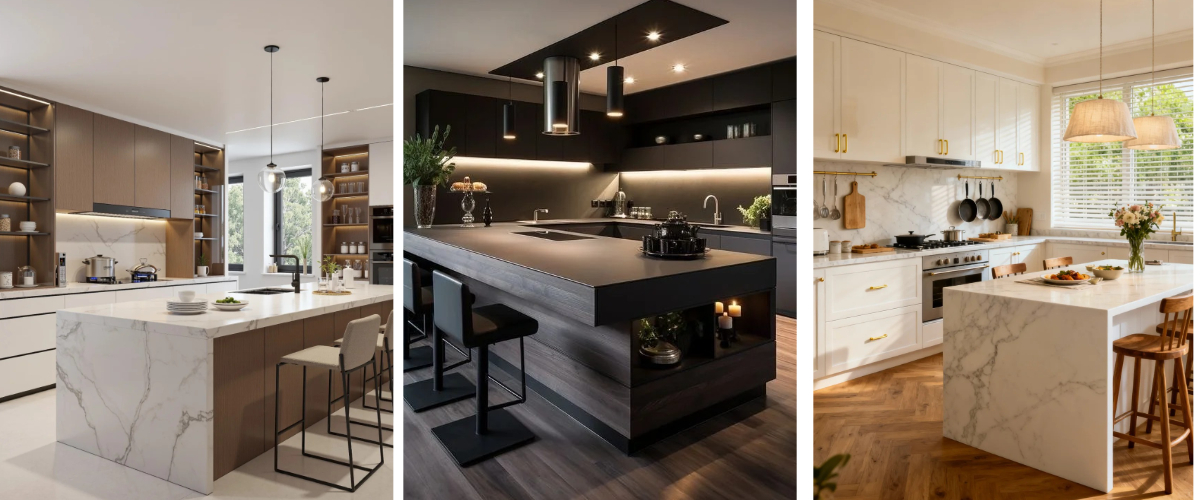
The appeal of open cabinets is multifaceted, rooted in both visual psychology and contemporary lifestyle aspirations. At its core, it champions a sense of airiness and space. By eliminating visual barriers, open shelves make kitchens feel larger, brighter, and more connected to adjoining living areas—a key feature in modern open-plan living. This design transforms your dishware and curated items into part of the kitchen’s decor, encouraging a mindful approach to organization where everything has its place and purpose.
Furthermore, open shelving promotes unparalleled easy access and convenience. Frequently used items like everyday dishes, glassware, or cooking oils are always within sight and reach, streamlining the cooking process. This layout fosters a utilitarian efficiency that many homeowners cherish. It also offers immense design flexibility, serving as a dynamic canvas. You can seasonally update the look by rearranging objects, adding plants, or incorporating art, making the kitchen a living, evolving space rather than a static one.
A Clear-Eyed Look at the Challenges
While the aesthetic benefits are significant, a professional assessment requires an honest evaluation of the practical demands. The most cited drawback is the requirement for constant tidiness. Open shelves leave no room for clutter; disorganized items can quickly make a kitchen look chaotic. This design inherently demands higher maintenance, as exposed items are prone to dust and grease accumulation. In active cooking environments, shelves and items may require more frequent cleaning compared to behind closed doors.
From a practical storage standpoint, open cabinets can be less efficient for concealing mismatched or utilitarian items. Not everything in a kitchen is display-worthy. Bulk packages, small appliances, and rarely used specialty tools often need to be relocated to other closed storage solutions. Additionally, there are safety considerations, especially in households with young children or in earthquake-prone areas, where securely fastaging shelves and items becomes paramount.
Your Decision Matrix: Key Factors to Evaluate Before Choosing
Determining if open kitchen cabinets are right for you isn't a matter of yes or no, but of how and where. Consider these critical factors:
1. Your Lifestyle and Cooking Habits
Are you a neat cook who cleans as you go, or does meal preparation create splatter and clutter? If your culinary style is relaxed and messy, the maintenance burden may outweigh the benefits. An honest assessment of your daily habits is the first and most crucial step.
2. Your Home’s Architectural Style
Open shelving integrates seamlessly with certain aesthetics. It feels natural in Scandinavian, modern farmhouse, or industrial kitchen designs. In very traditional or ultra-formal kitchens, the look might feel incongruous unless carefully balanced with classic materials and elegant items.
3. The Strategic “Zoning” of Your Kitchen
A successful kitchen often employs a hybrid approach. Consider implementing open shelving in low-splash zones—like above a coffee station or adjacent to the dining area—for displaying beautiful cups and plates. Reserve enclosed cabinetry for zones near the stove and sink, where grease and moisture are prevalent. This kitchen cabinet storage solution offers the best of both worlds: beauty and practicality.
4. Budget and Installation
Quality open shelves must be sturdy, level, and beautifully finished, as they are always on display. The cost of solid wood or thick, tempered glass shelves paired with robust hidden brackets can be comparable to or exceed that of standard upper cabinets. Professional installation is often recommended to ensure absolute safety and a polished look.
If you decide to proceed, these professional guidelines will ensure your open shelving is both stunning and functional:
Start Small and Scale Up:Don’t commit to replacing all upper cabinets at once. Begin with a single wall or a set of two to three shelves. Live with it for a few months to gauge the practicality before expanding.
Curate with Intention: Treat your shelves like a gallery. Use a cohesive color palette for your items. Mix textures (wood, ceramic, metal) and layer in vertical (stacked books) and horizontal (trailing plants) elements. Leave intentional negative space to avoid visual overcrowding.
Prioritize Robust Materials:Choose shelving materials that are both beautiful and durable. Solid hardwood (like oak or walnut), high-quality plywood with a finished edge, or thick glass are excellent choices. Avoid cheap, sag-prone materials.
Lighting is Non-Negotiable: Integrate dedicated lighting. Under-shelf LED strips or strategically placed spotlights will illuminate your displays, enhance safety for retrieving items, and create a warm, inviting atmosphere, making the feature truly shine.
Conclusion: A Personal Choice for a Lived-In Home
The question of are open cabinets right for me has no universal answer. They are not merely a storage option but a design philosophy that celebrates openness, curates beauty in the everyday, and demands a certain level of domestic ritual. By objectively weighing the liberating sense of space and accessibility against the realities of maintenance and necessary order, you can move beyond the trend.
The most successful kitchens are those tailored to the individuals who use them. Whether you embrace open shelving fully, adopt a hybrid model, or decide it’s not for you, the decision should stem from a clear understanding of your own lifestyle, aesthetics, and willingness to engage with your space. In the end, the right choice is the one that makes your kitchen feel authentically and functionally your own.