Modern Wardrobe Design: 5 Tips to Solve Storage & Layout Problems
Expert modern wardrobe design tips to fix common storage and layout issues.
Modern Wardrobe Design Tips to Fix Storage and Layout Issues
In today’s global furniture market, the wardrobe has evolved from a simple storage unit into a critical component of residential design, directly impacting living quality and space efficiency. For manufacturers, exporters, and procurement professionals, mastering contemporary design principles is essential for creating products that meet the complex demands of modern consumers worldwide. This article delivers actionable, professional **modern wardrobe design tips** focused on solving the most pervasive storage and layout challenges, providing the B2B sector with the insights needed to innovate and compete effectively.
1. Prioritize Full-Height Construction and Vertical Optimization
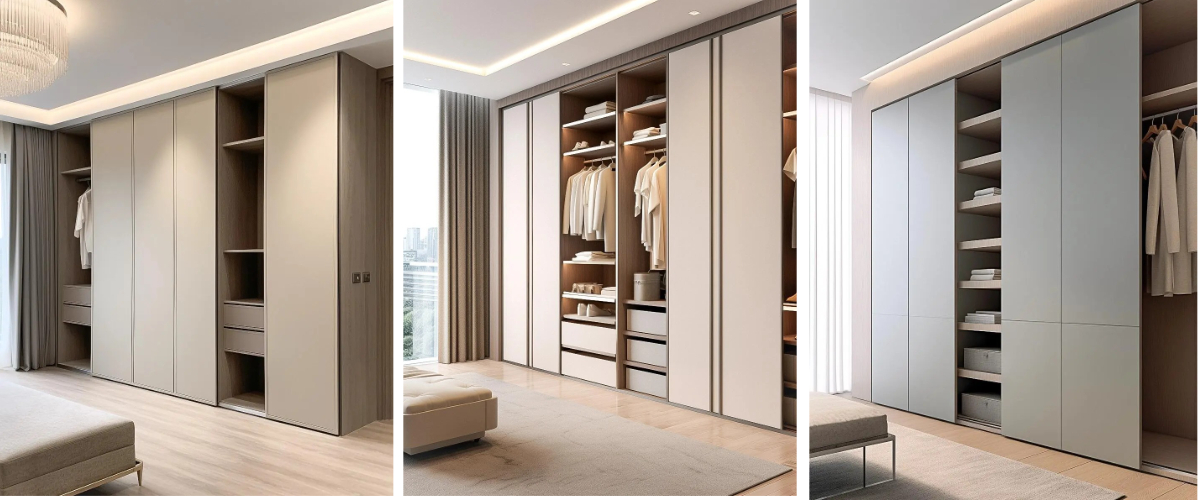
The single most effective strategy to combat wasted space is to utilize the room’s full vertical dimension. Traditional wardrobes that stop short of the ceiling forfeit valuable storage capacity and create hard-to-clean dust zones.
Design Implementation:Embrace floor-to-ceiling wardrobe designs. This approach not only maximizes storage volume by 20-30% but also creates a sleek, integrated architectural look that appeals to contemporary aesthetics. For the trade, this translates into products that address the core challenge of limited storage in urban apartments, a universal issue in densely populated markets across Asia, Europe, and North America.
Sourcing & Production Considerations:
Modular Stackability: Design systems where upper storage modules (for seasonal items, luggage) can be securely stacked atop base units. This simplifies manufacturing, reduces shipping costs by optimizing packability, and allows for easy customization to various international ceiling heights.
Integrated Aesthetics: Ensure a seamless appearance with consistent finishes and handle-less or integrated grip profiles. This requires precision in panel fabrication and alignment.
Structural Integrity: Specifications must include robust mounting hardware and clear instructions for secure wall anchorage, a critical safety and durability factor for tall units.
2. Implement a Highly Adaptable and Specialized Interior System
A wardrobe’s true functionality is determined by its interior. Fixed shelving and a single hanging rail represent a missed opportunity and a major pain point for end-users.
Design Implementation: Replace static interiors with a fully customizable wardrobe interior system. The goal is to offer a flexible framework that owners can adapt to their evolving needs. This is a cornerstone of effective storage solutions for modern bedrooms.
Sourcing & Production Considerations:
Universal Mounting Standard: Implement a durable vertical panel system with a grid of adjustment holes or a reliable rail-and-bracket system. This universality allows for the infinite repositioning of all components.
Curated Component Library: Develop a range of high-utility interior accessories that can be offered as value-adds. Key items include:
Pull-out tie and belt racks.
Velvet-lined jewelry trays with dividers.
Adjustable shoe shelves.
Pull-down hanging rods for high sections.
These modular closet accessories for better organization are high-margin items that significantly enhance the core product's appeal and functionality.
3. Incorporate Multifunctional and Space-Smart Designs
Modern living, particularly in cities, demands furniture that serves multiple purposes. A wardrobe can be more than a closet; it can be a room divider, a workspace, or a display unit.
Design Implementation: Design wardrobes to perform double duty. This approach solves fundamental layout issues, especially in open-plan studios or compact bedrooms.
Sourcing & Production Considerations:
The Dual-Finish Divider: Offer wardrobe carcases with finished backs (melamine or veneer) to function as elegant room dividers. This instantly creates definition in a space, a highly desirable feature for small home layouts.
Integrated Features:Consider designs that incorporate a fold-out desk, a built-in vanity with lighting, or a concealed laundry bin section. These multifunctional wardrobe designs for small spaces dramatically increase perceived value.
Hybrid Open/Closed Storage: Blend closed cabinets with open shelving niches or recessed areas. This design breaks visual monotony, provides space for display or frequently used items, and caters to current trends favoring dynamic storage aesthetics.
4. Integrate Intelligent Lighting as a Standard Feature
Poor interior lighting renders a deep wardrobe half as useful. Integrated lighting is transitioning from a luxury to an expected standard, solving a key usability flaw.
Design Implementation:Proactively incorporate LED lighting solutions for wardrobe interiors. The focus should be on automation and strategic placement to ensure every item is visible.
Sourcing & Production Considerations:
Sensor-Based Activation: Source reliable, low-voltage motion sensors or door-activated switches. The light should turn on automatically upon approach, eliminating the need to fumble for a pull cord in the dark.
Strategic Lighting Layout: Plan for LED strips along the upper front rail (casting light downward) and within dedicated shelving alcoves. For premium lines, consider drawer-integrated lights.
Ease of Installation:*Develop a pre-wired, plug-and-play lighting system that simplifies installation for the dealer or end-user. Providing this as a standard or optional kit addresses a major pain point in walk-in closet organization and elevates the product tier.
5. Select Materials for Durability, Maintenance, and Visual Impact
Material choices dictate not only longevity and ease of care but also the visual perception of space. The right selection can make a room feel larger and more open.
Design Implementation: Choose materials that enhance spatial perception while withstanding daily use. The focus is on durable and stylish wardrobe finishes for international markets.
Sourcing & Production Considerations:
Space-Enhancing Finishes: For compact space solutions, recommend high-gloss lacquers, mirrored fronts, or lightly tinted glass. These surfaces reflect light and create an illusion of depth, directly addressing layout constraints.
Textural Variety:Incorporate tactile materials like woodgrain laminates, fluted glass, or fabric inserts to add warmth and sophistication, catering to diverse global aesthetic preferences.
Quality Hardware: The choice of hardware—full-extension, soft-close drawer slides, and robust hinge mechanisms—is non-negotiable. It is the most tangible indicator of quality for B2B buyers and directly impacts product longevity and user satisfaction.
Conclusion: Designing for Real-World Utility and Global Appeal
These modern wardrobe design tips are engineered to solve specific, widespread problems in contemporary housing. For the global furniture trade, adopting these principles means moving beyond manufacturing generic storage boxes to providing intelligent space optimization systems for the home.
The competitive edge will belong to suppliers who offer vertically efficient, internally adaptable, multifunctional, well-lit, and durably constructed wardrobe systems. By embedding these solutions into your product lines, you empower your distributors and retail partners to meet the sophisticated demands of today's consumers, thereby fostering stronger business relationships and driving sustainable growth in an increasingly discerning global marketplace.