2026 Bedroom Wardrobe Trends: Key Designs for Global Furniture Trade
Explore the top 2026 bedroom wardrobe design trends for manufacturers and buyers. Covers sustainable materials, smart tech, and flexible modular systems.
2026 Bedroom Wardrobe Design Trends: A Sourcing Guide for the Global Market
The international bedroom furniture market is poised for a transformative year. For manufacturers, exporters, and procurement specialists, anticipating design trends is not about fleeting fashion; it’s about aligning production with evolving global consumer values and spatial demands. The 2026 bedroom wardrobe design trends forecast a clear shift towards multifunctional, personalized, and consciously crafted storage solutions. This analysis distills these emerging trends into actionable insights for the B2B trade, highlighting the materials, technologies, and design philosophies that will define commercial success in the coming year.
1. The Dominance of Sustainable and Natural Materiality
The demand for authenticity and environmental responsibility continues to reshape material sourcing. In 2026, this moves beyond a marketing claim to become a core design principle.
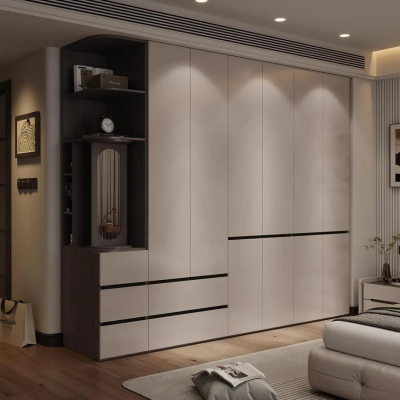
Biophilic Integration and Warm Minimalism: Expect a strong preference for materials that bring a sense of nature and calm into the bedroom. This includes the use of sustainable materials for bedroom storage like certified wood veneers (oak, ash, walnut), bamboo, and rattan details. The trend emphasizes “warm minimalism”—clean lines and uncluttered forms softened by natural grain textures and earthy, organic color palettes (clay, moss green, oat). For suppliers, this means prioritizing FSC-certified sources and developing convincing, high-quality laminates that mimic natural wood and stone textures for cost-sensitive segments.
Innovative Eco-Conscious Composites: The use of recycled materials will become more sophisticated. We are seeing advancements in panels made from post-consumer recycled wood, textiles, and even agricultural waste, finished with low-VOC, water-based coatings. This trend caters to the eco-conscious bedroom furniture trends in Europe and North America, where regulatory and consumer pressures are highest. Offering a clear, verifiable sustainability story for your product line will be a significant competitive advantage in 2026.
2. Hyper-Functional and Flexible Modular Systems
Rising global urban density and multifunctional living spaces demand unparalleled flexibility. The static wardrobe is being replaced by adaptable storage ecosystems.
Configurable Modularity as Standard: The leading 2026 bedroom wardrobe design trends champion true modularity. Buyers seek systems comprised of standardized components—frames, shelves, drawers, hanging rails—that can be reconfigured over time. This answers the need for modular wardrobe systems for flexible living spaces, appealing to renters and homeowners alike. For exporters, this design approach reduces SKU complexity, optimizes container space, and allows regional distributors to adapt base units to local market preferences for finish or size.
Integrated Multi-Function Furniture: The line between wardrobe and room divider is blurring. Designs that incorporate a desk, a vanity, a bookshelf, or even a discreet home office nook within the wardrobe structure are gaining traction. This trend, often called “furniture fusion,” maximizes the utility of every square foot. Sourcing should focus on robust hardware and engineering that supports these dual functions without compromising storage integrity.
3. Seamless Integration of Smart Technology and Lighting
Technology in 2026 is becoming invisible and intuitive, enhancing experience rather than dominating it.
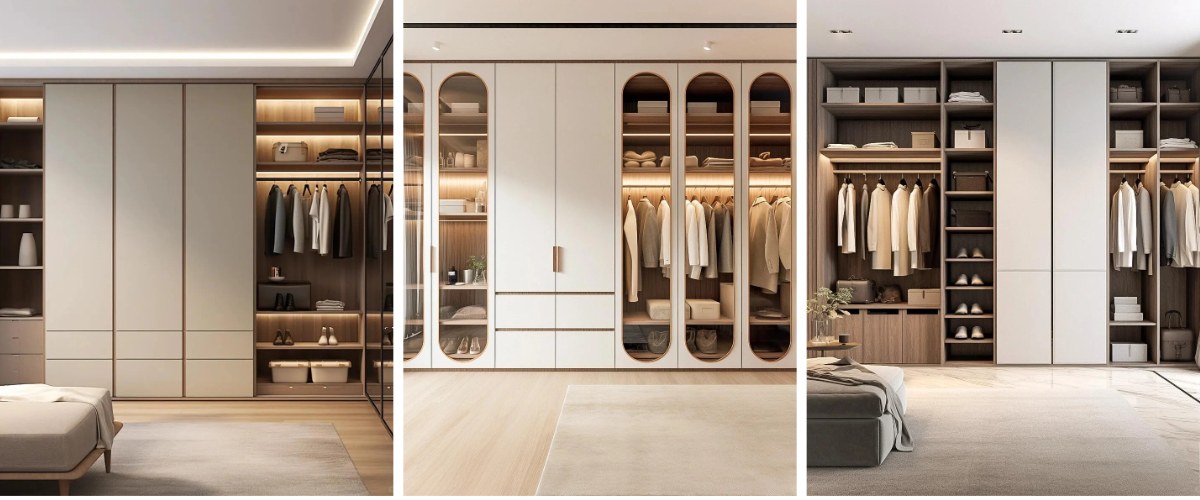
Built-In Ambient and Functional Lighting: Integrated LED lighting is transitioning from a premium add-on to an expected feature. The trend is for it to be seamlessly embedded—within recessed toe kicks, behind frosted door panels, or along interior shelves. Motion-sensor activation for interior lights and soft-closing mechanisms operated by touch are becoming key selling points for smart bedroom wardrobe features for modern homes. For manufacturers, this requires establishing reliable supply chains for low-heat, long-life LED components and developing simple, daisy-chain electrical systems for easy installation.
Connectivity for Organization, Not Gimmickry: While app-controlled wardrobes exist, the more pragmatic trend is towards integrated charging stations, built-in valets with timed steamer functions, and sensor-based inventory systems for high-end segments. The focus is on solutions that solve problems: keeping devices charged and clothing refreshed. When evaluating tech integrations, prioritize reliability and user-friendliness over novelty.
4. Expressive Personalization and Bold Design Statements
In contrast to minimalism, there is a parallel movement towards wardrobes as expressive focal points.
Customized Color and Texture Play: The era of all-white gloss is diversifying. Two-tone finishes (e.g., a neutral body with a colored interior or a bold end panel), fluted glass, ceramic tile inserts, and textured laminates (linen, concrete, wool) are being used to add depth and personality. This trend supports the demand for customizable closet fronts and finishes, allowing buyers to tailor the look. Offering a curated palette of on-trend colors and a selection of door front profiles can satisfy this demand without full custom production.
Open and Hybrid Storage Concepts: The debate between open and closed storage finds a middle ground. Hybrid designs, featuring a combination of closed cabinets, open shelving for display, and integrated fabric bins, remain highly popular. This reflects a lifestyle where clothing is curated and displayed as part of one’s identity. It also addresses practical needs for quick-access items versus concealed storage.
5. Key Considerations for Sourcing and Production
Navigating these trends requires strategic planning from the supply chain perspective.
Quality Hardware is Non-Negotiable: The functionality of modular and multi-functional designs hinges on the quality of slides, hinges, and joining systems. Invest in and specify durable, tested hardware to avoid warranty issues and protect brand reputation.
Packaging for Complex Systems: Modular and tech-integrated units require intelligent, clearly labeled packaging. Invest in packaging design that minimizes damage and simplifies the unboxing and assembly process for the end-user, a critical factor in customer satisfaction and negative return rates.
Market-Specific Adaptations: While trends are global, regional adaptations are crucial. The preferred color palette, wood species, and acceptance of open storage vary between the Middle East, Asia, and Western markets. Work with local distributors to fine-tune your core offerings.
Conclusion: Designing for Value and Adaptability in 2026
The overarching theme for 2026 bedroom wardrobe design trends is intelligent personalization. The market is segmenting into consumers who seek serene, natural sanctuaries and those who view their wardrobe as a dynamic, tech-enhanced command center. The common thread is a demand for quality, flexibility, and conscious production.
For the international trade, success will belong to those who offer adaptable systems rather than static furniture. By focusing on sustainable material narratives, true modular flexibility, subtle tech integrations, and avenues for personal expression, manufacturers and exporters can position themselves at the forefront of the market. The 2026 wardrobe is more than a storage unit; it is a responsive component of modern life, and the supply chain must evolve accordingly to meet this sophisticated demand.