Top Cabinetry Choices For Bulk Purchasers: Global Guide
In the global construction and commercial interior fit-out sector, B2B bulk purchasers—including general contractors, real estate developers, hotel operators, wholesale distributors, and public sector project managers—struggle to source suitable cabinetry that balances compliance, durability, cost efficiency, and regional market demands. The global cabinetry market reached a valuation of $163.75 billion in 2024, with a projected CAGR of 7.4% to hit $235.25 billion by 2029, fueled by rapid urbanization, expanded commercial development, and rising demand for standardized, sustainable storage solutions. Asia-Pacific dominates the global landscape, with China’s cabinetry market alone hitting $1.5 trillion in 2024 and poised to double by 2030, while Belt and Road trade initiatives have boosted cross-border cabinetry exports to Southeast Asia and Central & Eastern Europe, solidifying cabinetry as a core B2B global trade product.
For cross-border B2B buyers, choosing the most suitable cabinetry types is never a generic decision: it requires alignment with regional regulatory standards, project end-use, bulk order scalability, and long-term operational value. This data-backed guide breaks down global industry dynamics, vetted cabinetry categories, technical specifications, buyer pain points, and actionable solutions, all tailored to help international B2B purchasers make informed, risk-mitigated bulk sourcing decisions.
Global Cabinetry Industry Overview & Market Dynamics
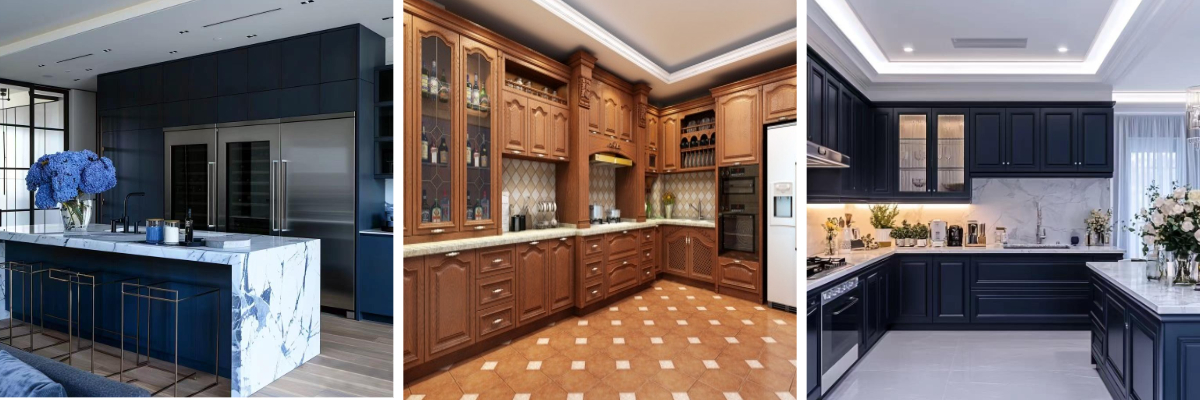
The global cabinetry market is segmented into three core sectors—residential, commercial (restaurants, offices, retail), and public (hospitals, schools)—each with unique performance and compliance demands for bulk B2B procurement. Steady growth is driven by global infrastructure investment, renovation of aging commercial spaces, and a widespread shift toward sustainable, standardized, and space-optimized storage solutions.
Regional demand varies sharply: Asia-Pacific leads in volume, supported by large-scale residential and commercial construction; North America and Europe prioritize eco-certified, low-emission products to meet strict regional environmental regulations; emerging markets in Southeast Asia and Eastern Europe focus on cost-efficient, durable cabinetry for mass development projects. For global B2B buyers, understanding these regional preferences is critical to selecting suitable cabinetry for international projects and avoiding compliance or market misalignment. Beyond regional trends, bulk buyers increasingly prioritize modular designs, predictable lead times, and full regulatory certification to streamline cross-border procurement and bulk installation.
Key Cabinetry Types & Suitability Analysis for Global B2B Buyers
Not all cabinetry meets the rigorous standards of bulk B2B procurement, which demands uniformity, scalable production, compliance, and targeted performance. Below are the top three most suitable cabinetry types for global buyers, with market positioning, technical benchmarks, and ideal use cases to align with bulk sourcing goals.
1. Customized Modular Cabinetry – Global Mainstream B2B Choice
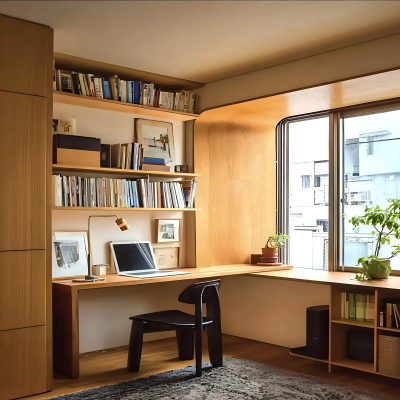
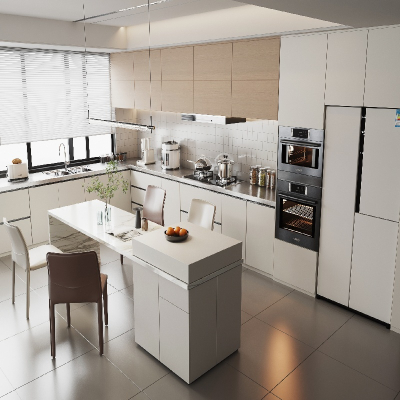
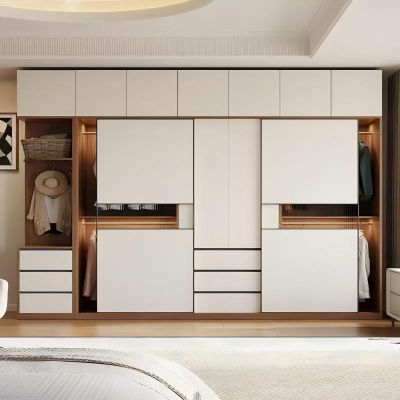
Customized modular cabinetry dominates as the most suitable cabinetry for mainstream B2B procurement, on track to capture over 65% of the global bulk market by 2030. Its flexible, standardized modular design adapts seamlessly to diverse space constraints, from compact urban commercial spaces to large-scale office pantries and multi-unit residential developments, making it the top pick for versatile, bulk-order projects.
Core technical specs meet global standards: 16-18mm thick high-density particleboard (compliant with GB/T 15102-94), E1/E0 low-formaldehyde emissions (≤0.124mg/m³, aligning with GB18580-2001), and reinforced, moisture-resistant construction. This cabinetry type naturally targets high-value long-tail keywords including customized cabinetry for small commercial spaces and modular cabinetry for office pantries, with a 15% annual growth rate in commercial hospitality and office applications. International buyers value its fast on-site assembly, low maintenance, and consistent quality across large bulk orders, eliminating installation delays and quality discrepancies.
2. Smart Integrated Cabinetry – Premium High-Growth Segment
Smart integrated cabinetry, equipped with IoT technology and premium intelligent hardware, is the most suitable cabinetry for high-end B2B buyers in luxury hospitality, corporate facilities, and upscale commercial projects. Projected to reach 30% global market share by 2030 with a 30% annual growth rate, it caters to buyers seeking premium functionality and long-term operational efficiency.
Key technical features include industrial-grade BLUM or Hettich hinges (80,000+ opening cycles, 48-hour salt spray corrosion resistance), embedded smart sensors for inventory and space management, and seamless design integration. This category targets premium long-tail keywords: smart kitchen cabinetry for luxury hotels and IoT-integrated cabinetry for commercial projects, aligning with North American and European buyer demands for energy efficiency and data-driven facility management. While upfront costs are higher, its durability and advanced functionality make it suitable for high-budget, long-life commercial projects.
3. Eco-Friendly Material Cabinetry – Compliance-Focused Global Solution
Eco-friendly cabinetry, crafted from bamboo, recycled wood, and low-VOC materials, is the most suitable cabinetry for regulated markets including the EU, U.S., and Canada, complying with strict EU REACH and US CARB environmental standards. Its market share will rise to 38% by 2030, driven by public sector, healthcare, and green building procurement mandates.
Technical benchmarks set a high compliance bar: ENF-grade ultra-low formaldehyde emissions (≤0.05mg/m³), FSC-certified raw materials, and antibacterial, easy-to-clean surfaces. This cabinetry line addresses critical buyer searches like eco-friendly commercial cabinetry and low-VOC cabinetry for healthcare facilities, making it ideal for hospitals, schools, and green-certified commercial buildings. Global B2B buyers prioritize this type to meet regulatory requirements, reduce environmental liability, and access high-value sustainable construction contracts.
Global Technical Parameters & Manufacturing Standards
For cross-border B2B buyers, verifying universal technical standards is non-negotiable to ensure suitable cabinetry performance, compliance, and bulk order consistency. Below are core globally recognized specifications to guide bulk purchasing decisions:
Cabinet Body: 16-18mm particleboard/MDF (GB/T 3324-1995 standard), ≥0.6mm PVC moisture-resistant edge banding
Door Panel Options: Solid wood (GB/T 3325-1995), 5mm tempered aluminum-frame glass, scratch-resistant acrylic
Hardware: 95-110° opening angle hinges (±2mm adjustability), 20kg load-capacity soft-closing slides
Countertops: Artificial stone (JC 908-2002), tensile strength ≥30MPa, flame resistance oxygen index ≥35
Top global manufacturers use CNC precision cutting, eco-friendly lamination, and multi-stage quality control (load-bearing, corrosion resistance, and emission testing) to ensure consistency. Modular production lines further reduce bulk order lead times and maintain uniform sizing, a critical factor for seamless large-scale installation.
International B2B Buyer Preferences & Procurement Pain Points
Core Global B2B Buyer Preferences
Data from global industry surveys reveals consistent priorities for buyers seekingsuitable cabinetry for bulk orders: 78% prioritize made-to-measure customization for irregular or specialized project spaces; 65% of European and North American buyers mandate FSC, REACH, or CARB environmental certifications; and mid-market buyers focus on total cost of ownership, targeting cabinetry with a 5-8 year service life and predictable maintenance costs. These preferences directly shape the most in-demand bulk cabinetry lines worldwide.
Key Procurement Pain Points & Actionable Solutions
Global B2B cabinetry sourcing comes with recurring pain points that risk budget overruns and project delays. Below are proven solutions tailored to international bulk buyers:
Standardization & Compliance Conflicts: Cross-regional standard mismatches lead to rejected shipments. Solution: Partner exclusively with ISO 9001-certified manufacturers to align with global technical and regulatory specs.
Long, Unreliable Lead Times: Delayed production derails tight project timelines. Solution: Work with suppliers specializing in modular bulk production, with guaranteed 30-45 day bulk order delivery windows.
Bulk Order Quality Inconsistency: Sizing, finish, or material discrepancies derail installation. Solution: Require pre-shipment inspections (PSI) and official material test reports (MTRs) for every bulk batch.
Hidden Cross-Border Costs: Tariffs, compliance fees, and shipping surprises erode margins. Solution: Secure all-inclusive bulk quotes with transparent logistics and certification cost breakdowns.
Final Buying Guide for Global B2B Cabinetry Purchasers
Selecting the most suitable cabinetry for global B2B bulk orders requires balancing regional compliance, project end-use, budget, and supply chain reliability. Mainstream buyers should prioritize customized modular cabinetry for versatility and cost efficiency; premium projects benefit from smart integrated cabinetry; and regulated markets require eco-certified low-emission options to meet strict standards.
By focusing on verified technical specs, certified manufacturers, and proactive pain-point mitigation, global B2B buyers can streamline procurement, reduce risks, and secure high-quality cabinetry that meets project goals. Always prioritize suppliers with proven global B2B experience, transparent quality control, and scalable bulk production to ensure on-time, compliant, and cost-effective order fulfillment.