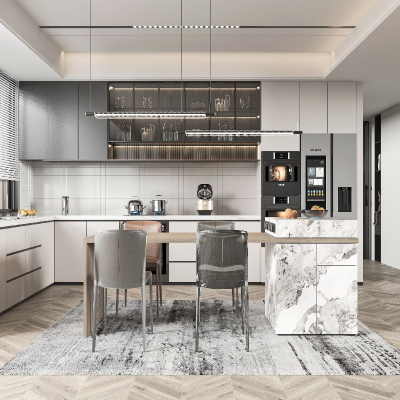
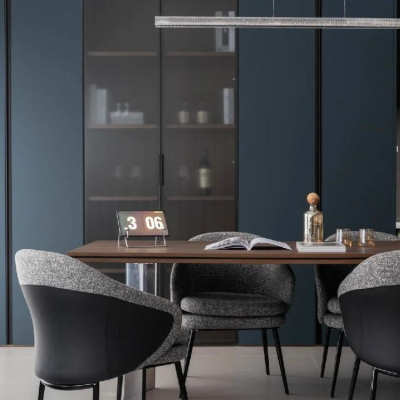
Kitchen Cabinets: Global Trends, Technical Specs & B2B Buying Guide
For global B2B buyers—including general contractors, real estate developers, hotel operators, restaurant owners, wholesale distributors, and commercial fit-out teams—sourcing high-quality, cost-effective kitchen cabinets is a critical decision that impacts project timelines, budget compliance, end-user durability, and long-term return on investment. The global kitchen cabinet market reached a valuation of USD 91.07 billion in 2025, with a projected CAGR of 5.43% through 2030, driven by residential renovation booms, commercial hospitality expansion, urban apartment construction, and rising demand for sustainable, functional storage solutions. Unlike residential retail purchases, B2B kitchen cabinet procurement requires strict adherence to international standards, bulk order consistency, scalable production, and cross-border logistics efficiency.
This comprehensive guide is tailored exclusively for international B2B bulk buyers, covering actionable global kitchen cabinet trends, verified technical specifications, step-by-step procurement best practices, industry-specific use cases, common sourcing pitfalls, and how to vet reliable suppliers. Whether you are sourcing for large-scale residential developments, hotel kitchens, commercial restaurant spaces, or wholesale distribution, this guide provides data-driven insights to streamline your buying process, reduce risks, and secure the best value for bulk kitchen cabinet orders.
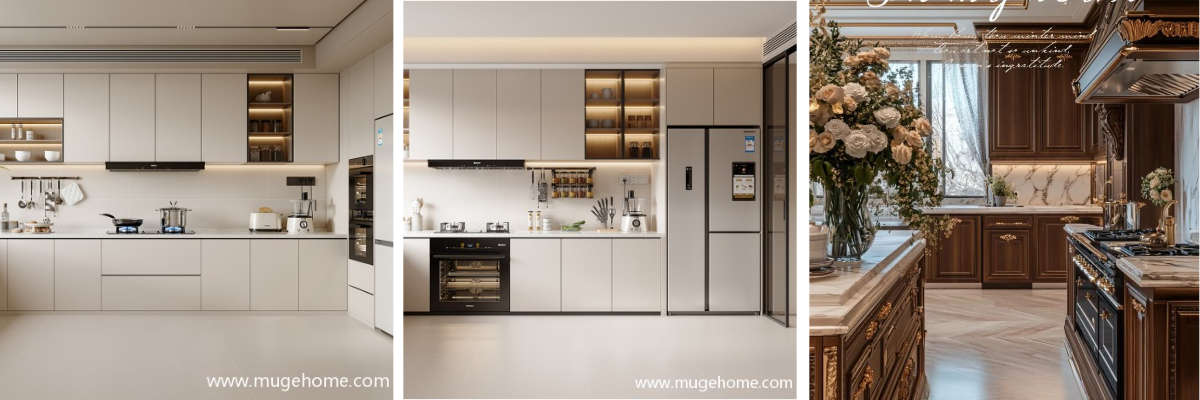
2025-2030 Global Kitchen Cabinet Trends Shaping B2B Procurement
Staying aligned with current market trends is essential for B2B buyers to meet end-market demand, avoid obsolete inventory, and maintain a competitive edge. Today’s global kitchen cabinet sector is defined by sustainability, functionality, scalability, and regional regulatory compliance, with clear shifts across material choices, design, and production models.
Sustainability & Eco-Certified Materials
Environmental regulations and buyer demand have made sustainable sourcing non-negotiable for B2B kitchen cabinet orders. European and North American markets strictly enforce low-formaldehyde, low-VOC standards (CARB Phase 2, EU REACH, FSC certification), driving massive demand for bamboo, recycled wood composites, water-based adhesives, and no-added-formaldehyde cabinetry. Over 30% of global B2B buyers prioritize eco-certified kitchen cabinets to access green building projects and comply with regional import rules, with sustainable material cabinetry growing at a 5.81% CAGR. This trend extends to packaging and logistics, with flat-pack, low-carbon shipping solutions gaining traction across global supply chains.
Modular & Frameless Cabinet Design
Modular and frameless commercial kitchen cabinets dominate bulk procurement, accounting for a combined 61% of global market demand. Frameless designs maximize interior storage space by 10-15%, ideal for compact urban apartments and high-traffic commercial kitchens, while modular systems enable fast, standardized installation and reduced labor costs. This trend is especially prominent in Asia-Pacific micro-apartment construction and European commercial fit-outs, with buyers prioritizing tool-free assembly and scalable modular configurations for large bulk orders.
Durability-Focused Commercial-Grade Builds
Commercial kitchen cabinet demand is growing at a 7.81% CAGR, outpacing residential segments, fueled by hospitality, restaurant, and office breakroom expansions. B2B buyers increasingly prioritize heavy-duty, scratch-resistant, moisture-proof, and antimicrobial cabinetry built to withstand constant daily use. Minimalist, handle-less designs, anti-fingerprint finishes, and integrated storage solutions are also trending, balancing aesthetic appeal with commercial-grade durability for long-term performance.
Regional Market Demand Variations
North America holds 35% of global market share, driven by high renovation rates and demand for semi-custom, durable kitchen cabinets. Europe focuses on eco-compliance, sleek frameless designs, and premium quality, while the Asia-Pacific region is the fastest-growing market (6.19% CAGR), fueled by large-scale residential construction and demand for cost-effective modular cabinets. Middle Eastern and African markets prioritize luxury, corrosion-resistant cabinetry for hospitality and high-end residential projects.
Essential Technical Specifications for B2B Kitchen Cabinets
For bulk B2B buyers, verifying technical specifications is critical to ensure product consistency, regulatory compliance, and long-term durability. Below are the core industry standards and technical parameters every international buyer should validate before placing a bulk kitchen cabinet order.
Cabinet Box & Material Specifications
Thickness: Commercial-grade cabinet boxes: 16-18mm; heavy-duty restaurant/hotel cabinets: 18-22mm
Material Options: Premium plywood (highest durability), E0/E1/ENF grade particleboard/MDF (low-formaldehyde), solid wood (luxury projects), stainless steel (commercial food service)
Emission Standards: CARB Phase 2, EU REACH, E0 (≤0.05mg/m³ formaldehyde), GB18580 compliance for global cross-border shipments
Hardware Performance Standards
Hinges: 80,000+ opening cycles, 95-110° opening angle, soft-close mechanism, 48-hour salt spray corrosion resistance
Drawers & Slides: 20-50kg load capacity (commercial grade), full-extension soft-close slides, stable weight distribution
Edge Banding: ≥0.6mm PVC/ABS edge banding, moisture-resistant, seamless bonding to prevent warping
Countertop & Finish Technical Requirements
Countertop Materials: Quartz, artificial stone (JC 908-2002 compliant), stainless steel (commercial kitchens), solid surface
Performance Metrics: Tensile strength ≥30MPa, flame resistance (oxygen index ≥35), scratch/stain/heat resistance
Finishes: Water-based, low-VOC coatings, anti-fingerprint and abrasion-resistant treatments for commercial use
Quality & Manufacturing Standards
All bulk kitchen cabinets should adhere to ISO 9001 quality management systems, with KCMA Severe-Use certification for commercial projects. Manufacturing must include CNC precision cutting, strict size tolerance (±1mm), and multi-point quality inspections to ensure batch-to-batch uniformity, eliminating installation delays for large-scale projects.
B2B Kitchen Cabinet Bulk Procurement: Practical Step-by-Step Guide
Successful B2B kitchen cabinet sourcing requires structured planning, supplier vetting, and risk management to avoid delays, quality issues, and hidden costs. Follow this actionable framework for seamless bulk procurement.
Define Project & Order Requirements
Start by outlining project type (residential/commercial), volume, target market regional standards, budget, and delivery timeline. Clarify customization needs, material preferences, and certification requirements to narrow supplier options and avoid misalignment. For commercial projects, prioritize durability and compliance; for residential developments, focus on cost-efficiency and design consistency.
Bulk Pricing & Cost Negotiation
B2B kitchen cabinet pricing depends on material quality, order volume, customization, and logistics. Negotiate fixed bulk pricing with 60-90 day price guarantees to mitigate raw material cost volatility. Seek volume discounts, full-container-load shipping rates, and all-inclusive pricing that covers production, packaging, and basic logistics to avoid hidden fees. Balance upfront cost with total lifecycle value to avoid low-quality, short-lived cabinetry.
Quality Control & Pre-Shipment Checks
Require pre-production samples and material test reports (MTRs) to validate specifications. Mandate pre-shipment inspections (PSI) to check sizing uniformity, finish quality, hardware performance, and compliance. For large bulk orders, implement batch testing to ensure consistent quality across all units, preventing costly reworks and project delays.
Logistics, Shipping & Lead Time Management
Optimize shipping with flat-pack (RTA) kitchen cabinets to reduce cargo volume by up to 60% and lower freight costs. Confirm lead times (standard bulk orders: 30-45 days; custom orders: 45-60 days) and include penalty clauses for late delivery in contracts. Partner with suppliers experienced in cross-border logistics, customs clearance, and export documentation to avoid border delays.
Industry-Specific Kitchen Cabinet Recommendations
Different B2B sectors have unique functional and compliance needs; selecting the right cabinet type for each use case maximizes durability and ROI.
Hospitality & Hotel Kitchens
Prioritizecommercial-grade stainless steel or moisture-resistant plywood kitchen cabinets with antimicrobial finishes, heat resistance, and heavy-duty hardware. These cabinets withstand constant use, frequent cleaning, and high-moisture environments, complying with hospitality hygiene standards.
Residential & Apartment Developments
For large-scale residential projects, semi-custom modular E0-grade plywood or particleboard kitchen cabinets offer the ideal balance of cost-efficiency, design consistency, and durability. Frameless designs maximize space, while standardized sizing speeds up installation for multi-unit builds.
Restaurants & Commercial Food Service
Choose fire-resistant, waterproof, easy-to-clean commercial kitchen cabinets with high load-bearing capacity. Stainless steel options are preferred for food service areas, as they meet health code requirements and resist grease, moisture, and heavy daily wear.
Wholesale Distribution
Stock versatile, high-demand modular and semi-custom kitchen cabinets that appeal to regional market preferences. Prioritize fast-lead, flat-pack options with broad compatibility to reduce storage costs and meet quick-turnaround customer orders.
Common B2B Kitchen Cabinet Sourcing Pitfalls & Solutions
Bulk kitchen cabinet procurement comes with avoidable risks that can derail projects and erode profits. Below are the most frequent pitfalls and actionable solutions for international buyers.
1. Poor Quality & Inconsistent Batch Production
Problem: Uneven sizing, subpar materials, or finish discrepancies across bulk orders. Solution: Partner with ISO 9001-certified suppliers, require pre-shipment inspections, and sign detailed quality agreements with clear tolerance standards.
2. Non-Compliance with Import Regulations
Problem: Missing eco-certifications or material reports leading to customs delays. Solution: Verify all required certifications (CARB, REACH, FSC) prior to production and confirm documentation completeness before shipment.
3. Unrealistic Lead Times & Delivery Delays
Problem: Supplier production delays disrupting project timelines. Solution: Negotiate binding delivery timelines, avoid over-customization for tight deadlines, and work with suppliers with in-stock bulk inventory options.
4. Hidden Procurement Costs
Problem: Unexpected logistics, certification, or rework fees exceeding budget. Solution: Secure written all-inclusive quotes, clarify payment terms, and account for customs duties and shipping insurance in budget planning.
How to Vet & Select Reliable Kitchen Cabinet Suppliers
The right supplier is critical to successful bulk kitchen cabinet procurement. Use this criteria to evaluate and partner with trustworthy B2B manufacturers:
Core Supplier Qualifications
Proven B2B bulk order experience with commercial/residential project references
Complete international quality and eco-certifications (ISO 9001, CARB, REACH, FSC)
Scalable production capacity to meet order volume and tight lead times
Transparent quality control processes and pre-shipment inspection support
Expertise in cross-border logistics, export documentation, and customs compliance
Long-Term Partner Evaluation
Prioritize suppliers with consistent material sourcing, flexible reorder capabilities, and responsive after-sales support. Evaluate communication efficiency, order tracking systems, and willingness to provide samples and detailed product specifications. A reliable supplier will prioritize batch consistency, on-time delivery, and long-term partnership success over short-term profits.
Final B2B Kitchen Cabinet Buying Recommendations
For global B2B bulk buyers, the optimalkitchen cabinet sourcing strategy balances trend alignment, technical compliance, cost efficiency, and supply chain reliability. Commercial buyers should prioritize durability and regulatory compliance, while residential project buyers can focus on scalable, cost-effective modular designs. Always validate technical specifications, certifications, and supplier credentials before committing to bulk orders, and prioritize total lifecycle value over upfront low costs.
By following industry trends, adhering to strict technical standards, and implementing structured procurement practices, B2B buyers can streamline sourcing, reduce risks, and secure high-quality kitchen cabinets that meet project goals and end-user expectations. For ongoing success, partner with experienced, certified suppliers and stay updated on evolving regional regulations and market design shifts.