Which Wine Cabinets Are Most Popular with Importers?
In today’s competitive global market, high-quality wine cabinets have become a fast-growing category in home appliances and premium lifestyle products. As wine consumption rises across Asia, Europe, and North America, importers are carefully selecting wine cabinets that combine performance, design, energy efficiency, and long-term reliability. Understanding which types are most popular helps distributors and wholesalers make smarter purchasing decisions and improve sales performance.
1. Dual-Zone Wine Cabinets: The Best-Selling Category
Among all models, dual-zone wine cabinets remain the most popular choice for importers. These cabinets feature two independent temperature compartments, allowing users to store red and white wines at different optimal conditions simultaneously.
Red wines typically require storage around 12–18°C, while white wines are best preserved at 8–12°C. A dual-zone system solves this challenge conveniently. For importers, this model appeals to a wider consumer base because it offers flexibility and practicality in one unit.
Key reasons importers prefer dual-zone cabinets:
Broader market appeal
Higher perceived value
Suitable for home and commercial use
Strong online retail demand
Dual-zone cabinets often position themselves in the mid-to-high-end market, increasing profit margins for distributors.
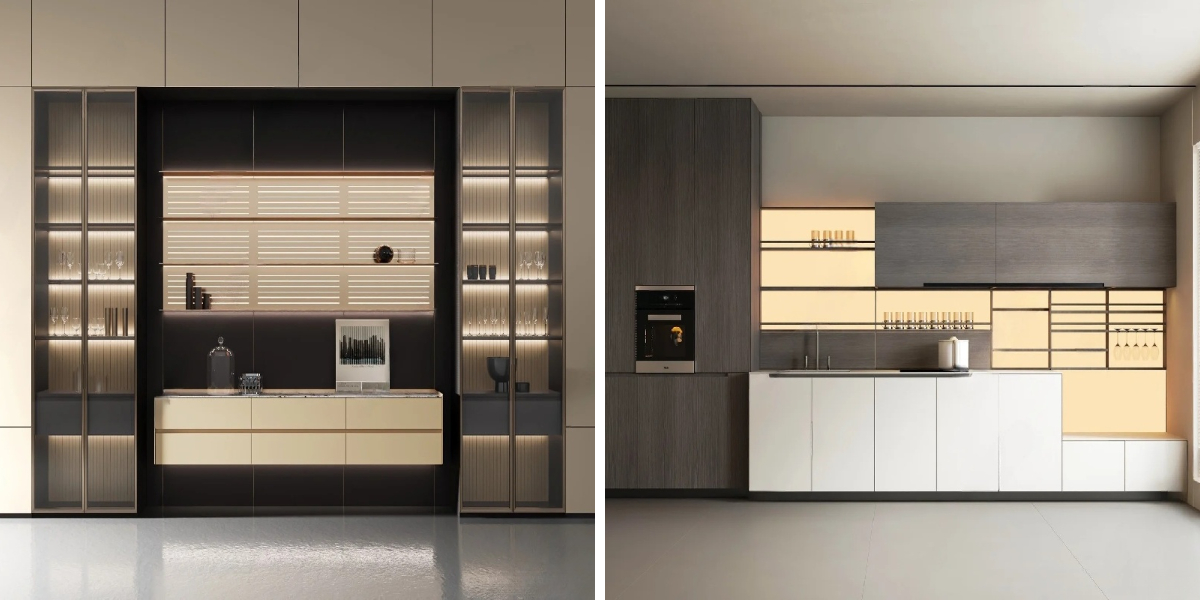
2. Built-In Wine Cabinets: Growing Demand in Modern Kitchens
With the popularity of modern kitchen design and luxury interior upgrades, built-in wine cabinets are becoming increasingly attractive to importers. These units are designed to integrate seamlessly into cabinetry, offering a flush, professional look.
Consumers renovating kitchens or purchasing premium apartments often prefer integrated appliances. Importers targeting developed markets especially value built-in high-quality wine cabinets because they align with contemporary lifestyle trends.
Important features include:
Front ventilation design
Precise digital temperature control
Low noise compressor systems
Stainless steel or seamless glass doors
Built-in cabinets often command higher prices, making them suitable for high-end retailers and project-based sales such as real estate developers and hotel projects.
3. Freestanding Wine Cabinets: Stable and Versatile Choice
Freestanding wine cabinets remain a steady and reliable option for importers. These models require no installation and can be placed in dining rooms, living rooms, offices, or restaurants.
For markets where consumers prefer flexible home arrangements, freestanding models sell well due to their convenience. Importers often stock a wide range of capacities, from small 12-bottle cabinets to large 150-bottle storage systems.
Advantages include:
Easy placement
Multiple size options
Competitive pricing
Lower shipping risk compared to built-in models
Freestanding units are particularly popular in emerging markets where buyers are exploring wine culture but may not invest in full kitchen renovations.
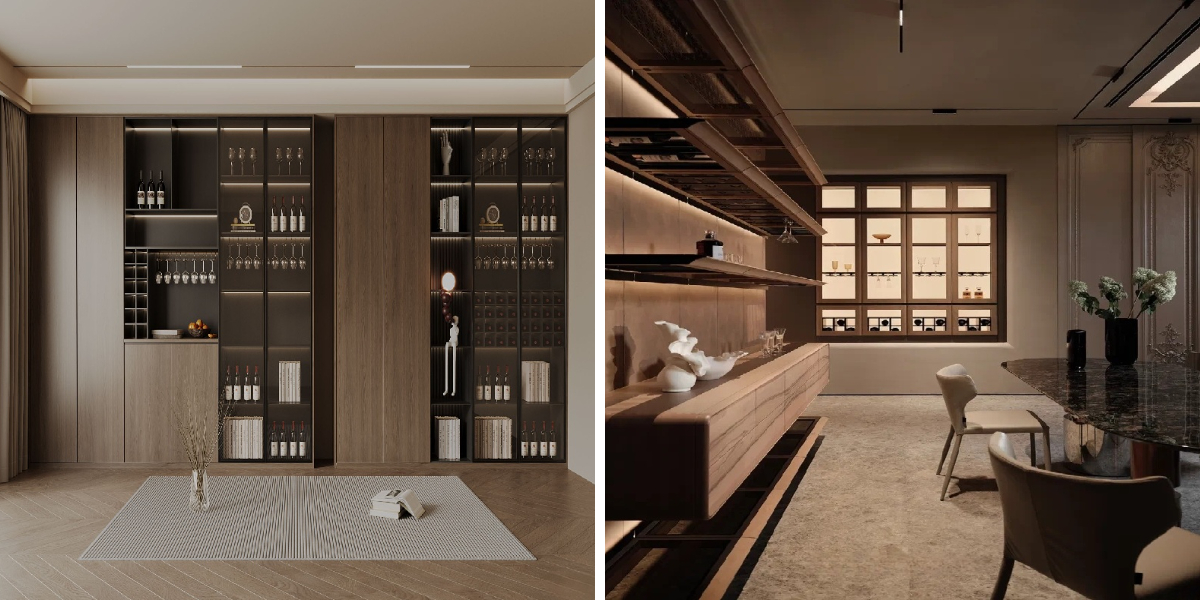
4. Compressor vs Thermoelectric Wine Cabinets
From a technical perspective, importers carefully evaluate cooling systems. The two main technologies are compressor cooling and thermoelectric cooling.
Compressor wine cabinets dominate the high-quality segment because they provide:
Stronger cooling performance
Stable temperature in warm climates
Larger storage capacity
Longer lifespan
Thermoelectric models are quieter and more energy-efficient but usually limited to smaller capacities. Importers serving tropical or high-temperature regions prefer compressor-based high-quality wine cabinets due to better performance reliability.
5. Large-Capacity Wine Cabinets for Collectors
As wine investment and collection culture expand, demand for large-capacity wine cabinets is increasing. Serious collectors seek storage systems capable of holding 100–300 bottles with consistent humidity and temperature management.
Importers supplying specialty retailers and wine clubs often prioritize:
Multi-layer beech wood shelves
Anti-UV glass doors
Activated carbon filters
Stable humidity control (55%–75%)
These cabinets are positioned as premium storage solutions and are commonly marketed as professional-grade or collector-level products.
6. Smart Wine Cabinets: Technology-Driven Growth
Smart home integration is another emerging trend influencing importer decisions. Smart wine cabinets equipped with WiFi connectivity, mobile app control, and LED touch panels are gaining attention in technologically advanced markets.
Popular smart features include:
Remote temperature monitoring
Temperature fluctuation alerts
Energy consumption tracking
Interior LED customization
Importers targeting younger consumers or online platforms often include smart-enabled models to differentiate their product lineup.
7. Energy Efficiency and Environmental Compliance
In many countries, energy certification standards significantly affect importing decisions. Importers prefer high-quality wine cabinets that meet CE, ETL, ERP, or other regional compliance requirements.
Energy-efficient compressor systems reduce operating costs and improve competitiveness. Environmentally friendly refrigerants such as R600a are also becoming standard in many markets.
Compliance ensures smoother customs clearance and enhances brand credibility, which is critical for long-term business development.
8. Design and Aesthetic Trends
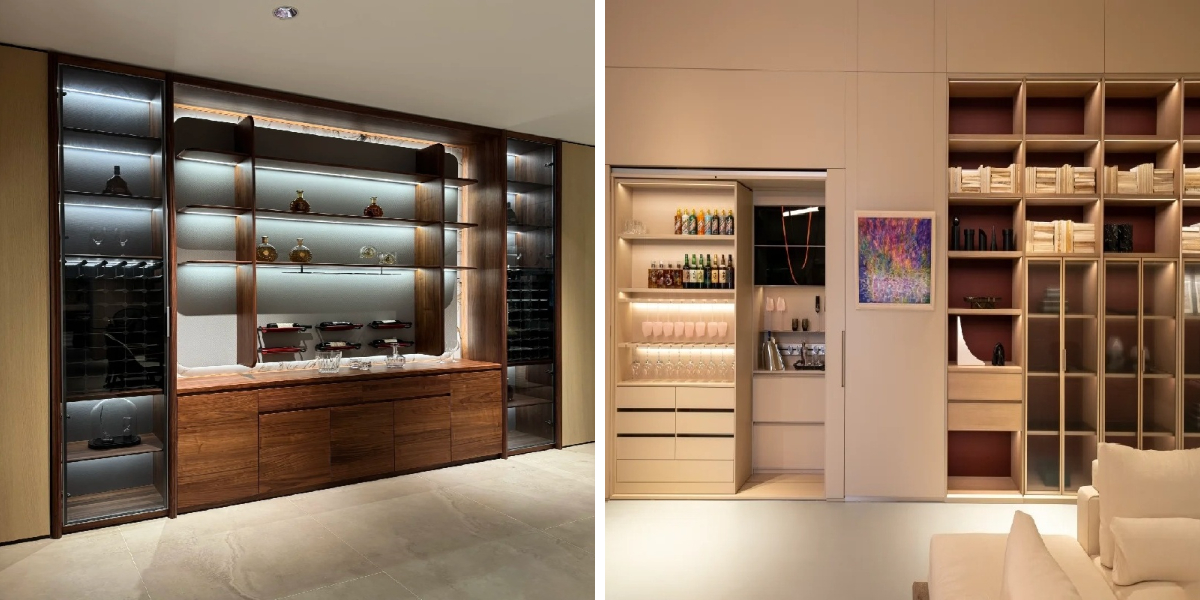
Modern consumers do not only purchase wine cabinets for storage; they see them as lifestyle statements. Therefore, importers increasingly select products that combine functionality with premium aesthetics.
Popular design elements include:
Black glass panels
Stainless steel frames
Seamless handles
Soft interior LED lighting
Wooden sliding shelves
Minimalist European-style designs are especially attractive in global markets. Importers often prioritize models that balance visual appeal with durability.
9. Compact Countertop Wine Cabinets
For small apartments and urban living spaces, compact wine cabinets are trending. These smaller models typically hold 6–18 bottles and are ideal for beginners.
Importers appreciate compact units because:
Lower shipping costs
Affordable retail pricing
Suitable for e-commerce platforms
High impulse purchase potential
They serve as entry-level products that help expand customer bases.
10. Commercial Wine Cabinets for Restaurants and Hotels
Hospitality businesses require reliable and durable storage systems. Importers supplying restaurants, bars, and hotels often choose heavy-duty wine cabinets with reinforced compressors and larger cooling capacity.
Commercial-grade high-quality wine cabinets usually include:
Fast cooling technology
Durable shelving systems
Lockable doors
Continuous operation capability
This segment offers stable bulk order opportunities for importers engaged in B2B distribution.
Conclusion
The most popular wine cabinets among importers share several common characteristics: reliable cooling systems, flexible storage options, energy efficiency, attractive design, and strong market demand.
Currently, dual-zone models, built-in units, compressor-based systems, and smart-enabled cabinets dominate the global market. Large-capacity collector cabinets and compact countertop models also show strong growth potential depending on target demographics.
For importers seeking long-term success, selecting high-quality wine cabinets that align with consumer trends, regulatory standards, and regional climate conditions is essential. By focusing on performance, design, and innovation, distributors can build competitive product portfolios that satisfy both retailers and end consumers worldwide.