Modular Wardrobe: Easy Assembly & Flexibility | Supplier Guide 2026
Discover high-quality modular wardrobes with easy assembly & flexible design. Industry data, trends & FAQs for buyers seeking cost-effective storage solutions.
The Rise of Modular Wardrobe in Global Markets
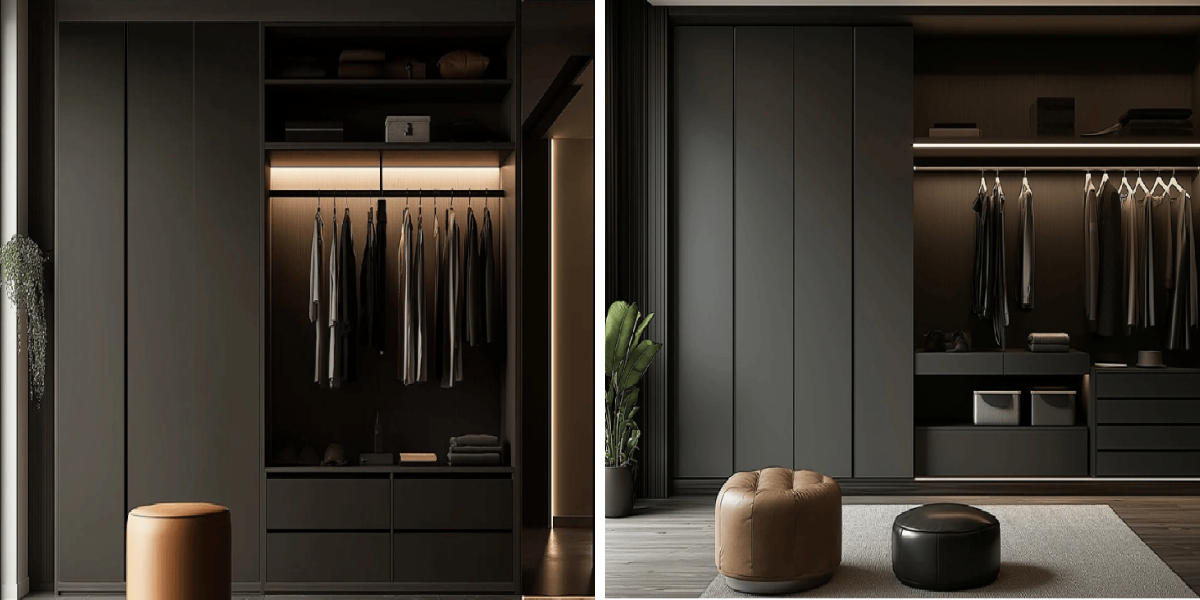
In an era of rapid urbanization, shrinking living spaces, and evolving consumer demands for personalized, functional storage solutions, the modular wardrobe has emerged as a cornerstone of the global furniture industry. Designed around the core principles of easy assembly & flexibility, modular wardrobes are redefining how buyers—from retailers and interior designers to hospitality contractors and property developers—approach storage needs for residential and commercial spaces. Unlike traditional fixed wardrobes, which require professional installation, are time-consuming to set up, and offer limited adaptability to changing needs, modular wardrobes feature pre-manufactured, standardized components that can be quickly assembled, customized, and reconfigured to fit diverse space dimensions and user preferences. This unique combination of convenience, versatility, and cost-effectiveness has positioned modular wardrobes as a high-growth product category, with global market expansion fueled by rising demand for space-efficient, sustainable, and user-friendly furniture solutions across continents.
For global buyers, the appeal of modular wardrobes lies in their ability to streamline supply chains, reduce installation costs, and cater to a wide range of end-user preferences—from budget-conscious homeowners to luxury hospitality clients. Whether outfitting residential apartments, hotels, co-living spaces, or office break rooms, modular wardrobes with easy assembly capabilities enable faster delivery times, lower labor expenses, and greater adaptability to varying project requirements. Their flexibility ensures compatibility with different room sizes, design aesthetics, and storage needs, making them a versatile choice for diverse markets. As the global furniture market continues to evolve, understanding the industry background, key trends, technical advantages, and market potential of modular wardrobes is critical for buyers looking to gain a competitive edge and meet the evolving demands of their clientele.
A High-Growth Segment for Global Buyers
The global wardrobe market is experiencing steady and robust growth, with modular wardrobes emerging as one of the key drivers of expansion. According to recent industry reports and market research studies, the global wardrobe market was valued at USD 75.68 billion in 2025 and is projected to grow at a compound annual growth rate (CAGR) of 4.1% through 2033, reaching an estimated USD 106.61 billion by the end of the forecast period. Within this broader market, modular wardrobes have seen an impressive 44% increase in demand over the past five years, significantly outpacing traditional fixed wardrobes, which are limited by their inflexibility, high installation costs, and inability to adapt to changing space needs. This growth is particularly pronounced in urban areas, where space constraints, rising renovation activities, and a shift toward minimalist living have heightened demand for modular storage solutions—space-saving wardrobes alone have seen a 39% growth in urban homes globally, as city dwellers seek to maximize every square foot of their living spaces.
Regionally, the modular wardrobe market presents significant opportunities for buyers across key territories, each with unique drivers and growth potential. North America leads in modular wardrobe adoption, with a 52% increase in the use of modular storage systems over the past three years, driven by robust home renovation trends, a preference for customizable furniture, and a growing focus on convenience. Homeowners and interior designers in the region increasingly prioritize products that can be easily assembled and reconfigured, aligning with the fast-paced lifestyle of modern consumers. Asia-Pacific follows closely as a high-growth market, with a 44% rise in demand for modular wardrobes, fueled by rapid urbanization in countries like China, India, Indonesia, and Vietnam. In these nations, shrinking living spaces in urban centers have made modular wardrobes a necessity rather than a luxury, with buyers seeking affordable, space-efficient solutions that can adapt to small apartments and changing family needs. Europe is also a key market for modular wardrobes, with sustainable modular wardrobe adoption increasing by 37% and premium modular lines growing by 27% as end-users prioritize eco-friendly materials, sleek design, and long-lasting functionality.
For global buyers, these regional trends translate to tangible opportunities to expand their product offerings and capture market share. Retailers and distributors benefit from the modular wardrobe’s broad appeal, as it caters to both budget-conscious consumers and those seeking premium, customizable designs. Hospitality contractors and property developers, meanwhile, rely on modular wardrobes with easy assembly to outfit hotels, serviced apartments, and residential complexes efficiently, reducing project timelines, labor costs, and waste. Additionally, the rise of online furniture sales—up 41% globally over the past two years—has made modular wardrobes an attractive product for e-commerce platforms and retailers, as their easy assembly design minimizes shipping complexities, damage during transit, and installation-related customer complaints. This shift toward online shopping has further boosted demand for modular wardrobes, as consumers increasingly seek products that are easy to order, receive, and set up without professional help.
Key Trends Shaping the Modular Wardrobe Global Market
The modular wardrobe market is evolving rapidly, driven by changing consumer preferences, technological advancements, a growing focus on sustainability, and shifting lifestyle trends. For global buyers, staying abreast of these key trends is essential to selecting products that align with market demand, meet end-user expectations, and maximize profitability. By understanding the evolving needs of consumers and the innovations shaping the industry, buyers can make informed decisions about which modular wardrobe products to stock, distribute, or incorporate into their projects.
1. Easy Assembly as a Non-Negotiable Feature
In today’s fast-paced, convenience-driven market, easy assembly has become a critical selling point for modular wardrobes—one that many consumers now consider non-negotiable. Buyers increasingly prioritize products that can be assembled by end-users or untrained staff in under 2 hours, eliminating the need for professional installers and reducing the associated costs and delays. Manufacturers are responding to this demand by incorporating innovative tool-less assembly systems into their modular wardrobe designs, including snap-on connectors, pre-drilled holes, interlocking panels, and clear, multilingual assembly instructions with step-by-step visuals. These features not only enhance user convenience but also reduce return rates, which currently stand at 21% for online furniture purchases, often due to installation difficulties or confusion. For global buyers, modular wardrobes with easy assembly capabilities translate to lower after-sales support costs, higher customer satisfaction rates, and a stronger competitive position in the market, as consumers are more likely to choose products that are easy to set up on their own.
2. Flexibility and Customization at Scale
Flexibility remains the core advantage of modular wardrobes, and buyers are increasingly seeking products that offer maximum customization without compromising on assembly ease or durability. Modern modular wardrobes feature interchangeable components—including adjustable shelves, drawers, hanging rods, shoe racks, and accessory trays—that can be reconfigured to fit different space sizes, storage needs, and design preferences. This flexibility is particularly valuable for buyers supplying diverse end-users, from small urban apartments and studio homes to large family houses and luxury hospitality spaces. Additionally, manufacturers are offering a wide range of customizable finishes, colors, and materials, allowing buyers to tailor modular wardrobes to specific design trends, brand aesthetics, or regional preferences. For example, modular wardrobes with glass doors, metal frames, or eco-friendly wood finishes are in high demand in European and North American markets, reflecting end-users’ growing focus on both style and sustainability. In contrast, buyers in Asian markets often prioritize lightweight, affordable modular wardrobes with bright colors and compact designs, tailored to small living spaces.
3. Sustainability and Eco-Friendly Materials
Sustainability is a key trend shaping the global furniture industry, and modular wardrobes are no exception. Buyers around the world are increasingly prioritizing eco-friendly modular wardrobes made from recycled, renewable, or low-impact materials, such as FSC-certified wood, recycled plastic, bamboo, and low-VOC (volatile organic compound) finishes. According to industry data, eco-friendly materials have seen a 33% adoption rate in modular wardrobe manufacturing over the past three years, as end-users and buyers alike seek to reduce their environmental footprint and align with global sustainability goals. Additionally, the modular design itself supports sustainability, as components can be replaced, repaired, or repurposed rather than discarding the entire wardrobe—extending the product’s lifespan by 20-30% compared to traditional fixed wardrobes. This reduces waste and minimizes the environmental impact of furniture production and disposal. For global buyers, offering sustainable modular wardrobes not only aligns with global environmental initiatives but also appeals to eco-conscious consumers, hospitality clients, and property developers who prioritize green building practices and sustainable product offerings.
4. Integration of Smart Features
The rise of smart homes and connected living has led to growing demand for modular wardrobes with integrated smart features, presenting a new and exciting opportunity for global buyers. Manufacturers are incorporating a range of smart technologies into modular wardrobe designs, including LED lighting with motion sensors, built-in tech charging bays, pull-out organizers with touch controls, and even app-connected storage management systems. These features enhance user convenience, improve organization, and align with the growing trend of smart home integration. Smart wardrobes adoption has grown by 28% globally over the past two years, with end-users valuing the convenience of illuminated interiors (which eliminate the need for additional lighting), organized storage options, and the ability to charge devices within their wardrobe space. For buyers supplying the residential and hospitality sectors, modular wardrobes with smart features offer a significant competitive advantage, as they cater to the growing demand for connected, functional, and modern home and hotel spaces. This trend is expected to accelerate in the coming years, with more manufacturers incorporating advanced smart features into their modular wardrobe lines.
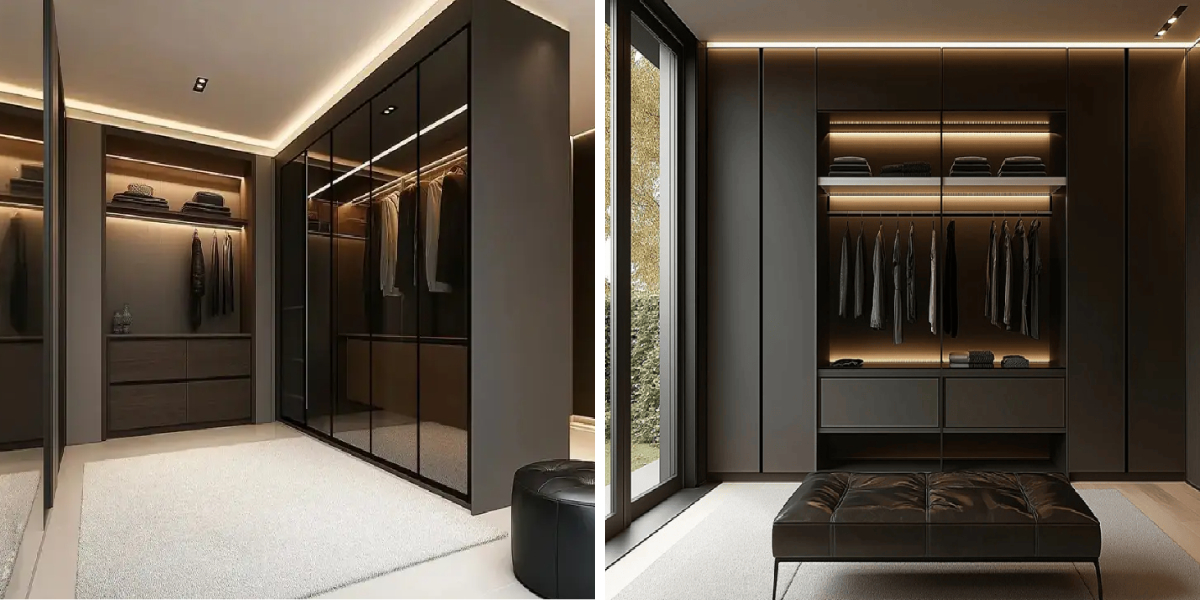
How Easy Assembly & Flexibility Are Achieved
The success of modular wardrobes in the global market lies in their innovative design and streamlined manufacturing processes, which prioritize easy assembly and flexibility without compromising on durability, aesthetics, or functionality. Below is a detailed overview of the key technical features and manufacturing steps that enable these core benefits, providing buyers with a deeper understanding of how modular wardrobes deliver on their promises of convenience and versatility.
Key Technical Features for Easy Assembly
Modular wardrobes are specifically designed with user-friendly assembly in mind, incorporating several key technical features that simplify the process and eliminate the need for professional tools or skills:
• Standardized Interfaces: All components—including panels, shelves, drawers, and connectors—feature standardized dimensions and interfaces, ensuring perfect compatibility and seamless assembly. Manufacturers adhere to strict quality control standards, with interface tolerances controlled within ±0.1mm using precision CNC machining technology. This level of precision ensures that components fit together perfectly without gaps, misalignments, or the need for force, making assembly quick and frustration-free. This standardization also reduces the number of unique parts required for each wardrobe, simplifying inventory management for buyers and reducing the risk of missing or incompatible components during shipping.
• Tool-Less Connectors: Modern modular wardrobes use advanced tool-less connectors, such as cam locks, snap-fit brackets, and plug-in joints, which eliminate the need for drills, screwdrivers, or other specialized tools. For example, plug-in connections with a depth-to-wall-thickness ratio of 6:1 enhance joint strength by 27.3%, while ensuring easy assembly and disassembly. These connectors are designed to be intuitive and user-friendly, allowing even untrained end-users to assemble a complete modular wardrobe in under 2 hours. Some manufacturers even offer color-coded connectors to further simplify the assembly process, reducing confusion and ensuring that components are joined correctly the first time.
• Pre-Assembled Components: Critical components that are more complex to assemble, such as drawer frames, hanging rods, and accessory trays, are pre-assembled at the factory. This reduces the number of steps required for end-user assembly, speeds up the process, and minimizes the risk of assembly errors. Pre-assembled components also reduce the likelihood of damage during shipping, as they are packaged more securely and require less handling by end-users. For buyers, this translates to lower after-sales support costs, fewer customer complaints related to assembly, and higher overall customer satisfaction.
Design for Flexibility
Flexibility is achieved through innovative modular design principles that allow components to be easily reconfigured, adjusted, and customized to meet changing needs and space requirements:
• Interchangeable Modules: Modular wardrobes are composed of independent, self-contained modules—such as hanging units, drawer units, shelf units, and shoe storage units—that can be mixed and matched to create unique configurations. These modules feature standardized connection points, allowing end-users to add, remove, or rearrange components as their storage needs change. For example, aluminum profiles with installation holes every 100mm enable easy adjustment of shelf and hardware positions, enhancing flexibility and ensuring that the wardrobe can adapt to different item sizes, from small accessories to large clothing items. This interchangeability also makes it easy to expand the wardrobe over time, as end-users can add new modules without replacing the entire unit.
• Adjustable Sizes: Many modular wardrobes feature adjustable depth, height, and width, allowing them to fit into awkward or non-standard spaces that traditional fixed wardrobes cannot accommodate. This is particularly valuable for urban apartments, hotel rooms, and other spaces where room sizes vary widely or have unusual dimensions. Some designs even allow for on-site cutting of panels (with simple, user-friendly tools included in the packaging), enabling further customization without the need for specialized equipment or skills. This level of adjustability ensures that modular wardrobes can be used in virtually any space, making them a versatile choice for buyers catering to diverse end-user needs.
Brief Manufacturing Process Overview
The manufacturing process of modular wardrobes is streamlined to ensure consistency, quality, and efficiency—key considerations for global buyers seeking reliable, high-quality products. The process typically involves several key steps, each designed to prioritize durability, functionality, and ease of assembly:
1. Material Selection: High-quality, durable materials are selected based on end-user needs, sustainability goals, and regional market preferences. Common materials include FSC-certified wood (for a classic, natural look), MDF (for affordability and versatility), aluminum (for lightweight, corrosion-resistant frames), and recycled plastic (for eco-friendly options). Aluminum is particularly popular for frame components due to its lightweight properties, resistance to rust and damage, and ability to be extruded into complex shapes that support modular design. Manufacturers also prioritize low-VOC finishes and adhesives to meet global sustainability standards and appeal to eco-conscious buyers.
2. Precision Cutting & Machining: Panels, frames, and components are cut and machined using advanced CNC (Computer Numerical Control) equipment, which ensures precision and consistency across all parts. CNC machining allows for tight tolerances (as low as ±0.1mm), ensuring that all components fit together seamlessly during assembly. This precision also reduces waste during manufacturing, as cuts are accurate and consistent, minimizing material loss. After cutting, components are sanded and finished to ensure a smooth, high-quality surface that is free from splinters, rough edges, or defects.
3. Component Assembly & Quality Control: Critical components, such as drawer frames and hanging rods, are pre-assembled at the factory by skilled workers. Each pre-assembled component undergoes rigorous quality control checks to ensure that it is durable, functional, and compatible with other modules. Additionally, all individual components (including panels, connectors, and hardware) are inspected for defects before packaging. This quality control process ensures that buyers receive reliable, high-quality products that meet end-user expectations and minimize after-sales issues.
4. Packaging & Shipping Preparation: Modular wardrobe components are packaged in compact, space-saving boxes that are designed to minimize shipping costs and reduce the risk of damage during transit. Each package includes all necessary components, tool-less connectors, and clear assembly instructions (with visuals and multilingual text to cater to global markets). Some manufacturers also include additional accessories, such as wall-mounting kits or extra connectors, to enhance user convenience. Packages are labeled clearly with product information, assembly guidelines, and sustainability credentials, making them easy to identify and handle for buyers and end-users alike.
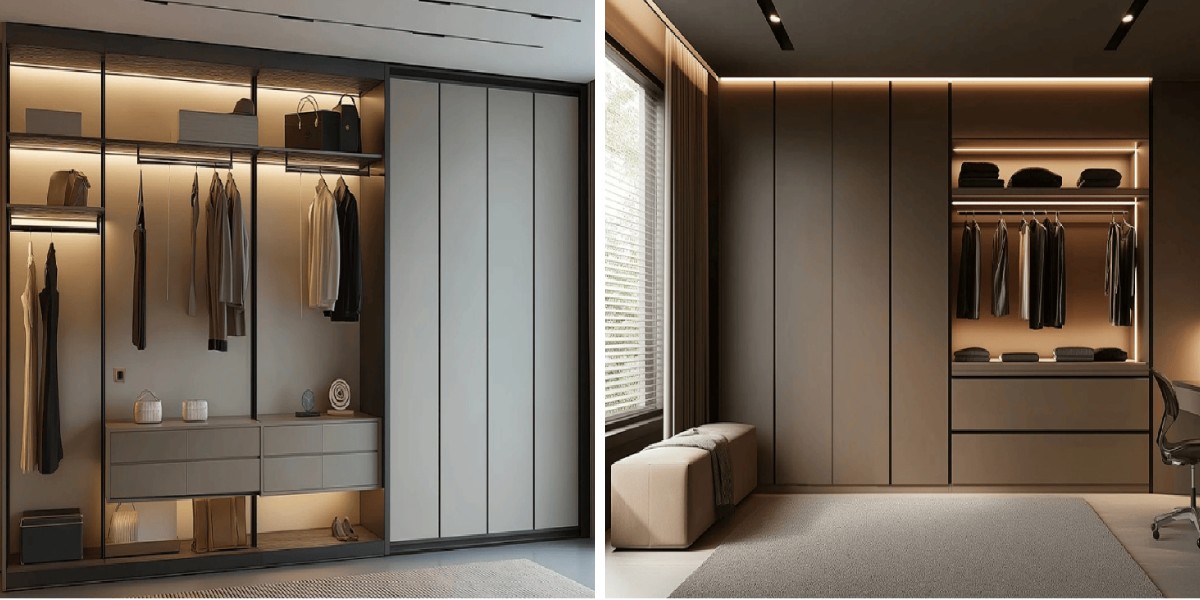
FAQ: Common Questions About Modular Wardrobes (Easy Assembly & Flexibility)
Below are answers to four common questions that buyers often have about modular wardrobes, focusing on easy assembly, flexibility, durability, and market suitability. These answers provide valuable insights for buyers seeking to understand the key benefits and considerations of modular wardrobes.
1. How long does it take to assemble a modular wardrobe, and do I need professional help?
Most modular wardrobes are designed to be assembled by end-users in under 2 hours, with no professional help required. The exact assembly time depends on the size of the wardrobe and the number of modules, but even larger configurations (with 5+ modules) typically take no more than 3 hours to assemble. Manufacturers provide clear, step-by-step instructions with visuals and multilingual text, and all components feature tool-less connectors that eliminate the need for specialized equipment. For buyers, this means lower labor costs, faster installation times for projects, and higher customer satisfaction, as end-users can set up their wardrobes quickly and easily on their own.
2. Can modular wardrobes be reconfigured after assembly, and how easy is it to make changes?
Yes, modular wardrobes are designed to be easily reconfigured after assembly—this is one of their core advantages. The interchangeable modules and standardized connectors allow end-users to add, remove, or rearrange components in minutes, without the need for tools or professional help. For example, you can easily move a shelf to a different height, add a drawer unit, or remove a hanging rod to accommodate changing storage needs. This flexibility ensures that the wardrobe can adapt to life changes, such as moving to a new space, expanding a clothing collection, or changing design preferences. For buyers, this versatility makes modular wardrobes a long-lasting, adaptable product that appeals to a wide range of end-users.
3. Are modular wardrobes as durable as traditional fixed wardrobes?
Yes, modular wardrobes are just as durable as traditional fixed wardrobes—when manufactured with high-quality materials and precision engineering. Modern modular wardrobes use durable materials (such as FSC-certified wood, aluminum, and high-grade MDF) and robust tool-less connectors that provide strong, stable joints. The standardized manufacturing process and rigorous quality control checks ensure that components are durable and long-lasting, withstanding regular use and reconfiguration. In fact, modular wardrobes can be more durable than traditional fixed wardrobes in some cases, as damaged components can be easily replaced (rather than discarding the entire wardrobe). For buyers, this means offering a reliable, long-lasting product that reduces customer complaints and increases brand loyalty.
4. Are modular wardrobes suitable for both residential and commercial spaces?
Absolutely—modular wardrobes are highly versatile and suitable for both residential and commercial spaces. In residential settings, they are ideal for apartments, houses, and co-living spaces, where flexibility and space efficiency are key. In commercial spaces, such as hotels, serviced apartments, offices, and retail stores, modular wardrobes are valued for their easy assembly, quick installation, and ability to be customized to match brand aesthetics or space requirements. For example, hotels can use modular wardrobes to outfit guest rooms efficiently, while offices can use them for staff storage areas. Buyers can cater to both residential and commercial markets with modular wardrobes, as they can be tailored to different size requirements, design preferences, and budget constraints.
Choose Modular Wardrobes for Convenience, Versatility, and Market Success
As the global modular wardrobe market continues to grow, driven by demand for easy assembly, flexibility, and sustainability, now is the perfect time for buyers to incorporate these versatile products into their offerings. Modular wardrobes deliver tangible benefits—from streamlined supply chains and lower labor costs to higher customer satisfaction and broader market appeal—making them a smart investment for retailers, distributors, interior designers, and contractors alike. Whether you are catering to residential consumers seeking space-efficient storage solutions, hospitality clients looking to outfit properties efficiently, or eco-conscious buyers prioritizing sustainable products, modular wardrobes with easy assembly and flexibility are designed to meet your needs. Partner with trusted manufacturers who prioritize quality, innovation, and sustainability to ensure that you offer the best modular wardrobe products to your clientele. Embrace the trend of modular storage and position your business for success in the fast-growing global furniture market.