Standard Kitchen Cabinet Depths Explained: A Guide for Global Buyers
Discover the standard depths for base, wall & tall kitchen cabinets in global markets.
Understanding Standard Kitchen Cabinet Depths: A Critical Guide for International Procurement
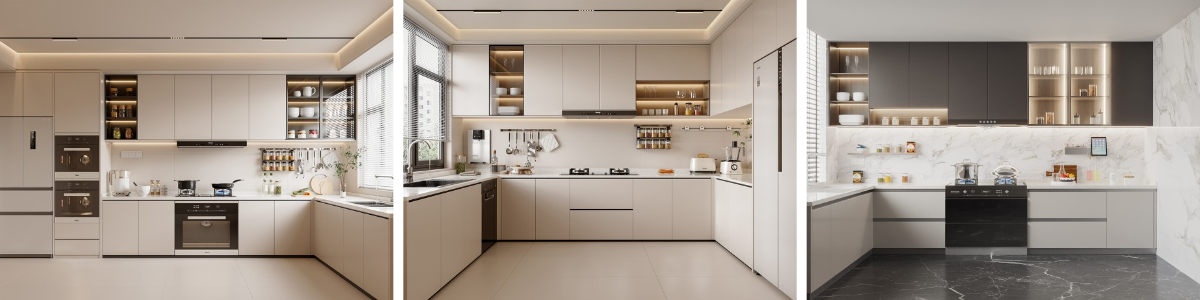
For kitchen cabinet manufacturers, exporters, and global procurement specialists, understanding dimensional standards is not just about design—it's a fundamental requirement for market compatibility, efficient production, and seamless installation. The depth of a kitchen cabinet is a primary dimension that dictates kitchen layout, ergonomics, and appliance integration. This guide provides a detailed, professional breakdown of standard kitchen cabinet depths, tailored for the international trade and wholesale buying audience.
Why Standardized Cabinet Depth Matters in Global Trade
In the B2B and import/export sectors, adherence to recognized dimensional standards streamlines the entire supply chain. For manufacturers, it allows for batch production and reduces custom tooling costs. For importers and procurement managers, it ensures that the products they source will fit into the standard kitchen layouts of their target markets, minimizing costly returns or installation failures. Consistency in depth is crucial for interoperability with countertops, appliances, and adjacent cabinetry, a key concern for large-scale project tenders and retail packaging.
Breaking Down Standard Depths by Cabinet Type
Kitchen cabinets are categorized by their function and placement. Each category follows a general depth standard, though regional variations exist, which we will detail later.
1. Standard Base Cabinet Depth
Base cabinets are the workhorses of the kitchen, supporting countertops and providing primary storage. The standard depth of a base cabinet, excluding countertop overhang, is universally accepted at 24 inches (approximately 610 millimeters). This dimension has evolved to accommodate standard appliance depths (like dishwashers and ranges), provide sufficient interior storage space, and align with comfortable ergonomic reach for the average user. When specifying, it is vital to clarify if the dimension refers to the cabinet box alone or includes doors and handles. For full overlay doors, the box remains 24", but the door will add minimal front-facing depth.
2. Standard Wall Cabinet Depth
Wall or upper cabinets prioritize accessibility without impeding on the workspace below. Consequently, they are shallower. The standard wall cabinet depth is 12 inches (approximately 305 millimeters). This 12-inch standard for wall cabinets creates a functional balance, offering ample storage for dishes and dry goods while maintaining a comfortable "work zone" clearance between the countertop edge and the cabinet face. This prevents users from bumping their heads and allows for small appliances to sit on the counter beneath.
3. Tall & Utility Cabinet Depths
Tall cabinets, such as pantry units or those housing ovens and refrigerators, typically align their depth with the base cabinet standard of 24 inches (610mm). This alignment creates a flush, continuous appearance in a full kitchen run. However, for full-height pantry cabinets with pull-out systems, some European and premium designs may use depths up to 600mm (box) with interior adjustments for mechanism clearance. Always confirm appliance specs when sourcing cabinets for integrated refrigeration, as some built-in models may require specific cabinet depths.
Navigating Regional Market Variations
A professional exporter must recognize that "standard" is market-dependent. Here are key regional differences:
North American Market Standards: Firmly adheres to the 24" (610mm) base and 12" (305mm) upper cabinet standard. This is driven by the prevalence of 24" deep domestic appliances and 25" deep countertops (including a 1" overhang).
European Kitchen Cabinet Sizes (Metric System): The standard base unit depth is 600 millimeters (approx. 23.62 inches), with wall units commonly at 300 millimeters (approx. 11.81 inches) or 350mm for deeper storage. This slight difference, though small in isolation, is critical for large-volume orders as it affects packaging, shipping pallet optimization, and compatibility with European kitchens and appliances.
Asian and Other Markets: Greater variability exists. Some markets follow European metrics, others follow U.S. standards, and many have local norms. In regions like Japan or Australia, you may encounter a mix. Due diligence through kitchen cabinet dimension surveys for importers is essential before market entry.
Key Considerations for Buyers and Specifiers
Beyond the basic numbers, informed procurement requires attention to these factors:
Toe Kick and Crown Molding: Standard depth measurements refer to the cabinet box. The recessed toe kick (typically 3-4 inches deep) and any applied crown molding do not affect the primary functional depth but impact overall product dimensions for shipping.
Custom and Semi-Custom Depth Options: While standard sizes dominate volume trade, there is a growing B2B niche for custom-depth cabinets for specialized kitchen layouts. Offers may include shallow-depth (18") base cabinets for small kitchens or deeper uppers (15") for specific storage needs. Clearly defining your product line's capabilities in technical sheets is crucial.
Impact on Shipping and Packaging (FOB/EXW Terms): Standardized dimensions directly impact container loading efficiency. Non-standard depths can lead to wasted space, increasing per-unit shipping costs—a critical factor in landed cost calculations.
Optimizing Cabinet Depth for Functional Kitchen Design
From a design-for-export perspective, depth is linked to functionality. The classic "work triangle" and modern kitchen zones depend on clear floor space, which is defined by cabinet depths. For ergonomic kitchen cabinet design standards, the 24-inch base depth allows for deep sinks and pull-out waste bins without sacrificing too much floor space. The 12-inch upper cabinet depth is proven to be within easy reach for the 5th to 95th percentile of users, a key point for product compliance in various regions.
Conclusion: Clarity in Specifications Drives Successful Trade
For international buyers and business partners, precision in communicating and confirming cabinet depth specifications cannot be overstated. The global standards of 24 inches (610mm) for base cabinets and 12 inches (305mm) for wall cabinets, with noted regional metric variations, form the bedrock of kitchen procurement. When requesting quotes or creating purchase orders, always specify:
1. Target market/region.
2. Cabinet type (Base/Wall/Tall).
3. Dimension in both inches and millimeters.
4. Whether the measurement is for the cabinet box only or includes doors.
Mastering these details ensures smoother transactions, higher customer satisfaction, and a stronger reputation for expertise in the global kitchen cabinet trade. Always consult detailed CAD drawings or sample specifications before finalizing high-volume orders to guarantee compatibility with your market's installation and appliance standards.