What Is Cabinet Customization? The Complete Guide
Discover what cabinet customization truly means. Explore its process, benefits over stock units, and key considerations for a perfect fit in your space.
What Is Cabinet Customization? Defining Modern Bespoke Storage
In the global furniture and interior design market, the term “custom” is often used broadly, leading to confusion among buyers, specifiers, and homeowners. At its core, cabinet customization is the process of designing and manufacturing storage solutions—for kitchens, bathrooms, living rooms, or offices—that are uniquely tailored to the specific dimensions, functional needs, and aesthetic vision of a space and its user. It represents a move away from the constraints of pre-sized, mass-produced stock cabinetry towards a solution built with intentionality. This article demystifies what custom cabinet design entails, exploring its fundamental principles, the comprehensive process behind it, and its undeniable value proposition for discerning international clients.
Beyond Size: The Core Principles of True Customization
True cabinet customization is more than just adjusting a width or height. It is a holistic design philosophy built on several pillars that distinguish it from semi-custom or stock alternatives.
1. Absolute Dimensional Precision
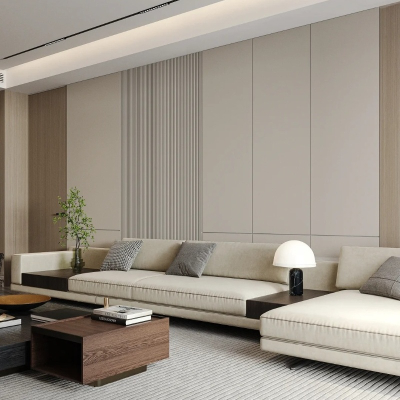
The most evident advantage is a perfect physical fit. Custom cabinets are built to the exact millimeter of your available space, from floor to ceiling and wall to wall. This eliminates awkward gaps, maximizes every inch of storage potential (including in irregular rooms with slanted ceilings or non-standard corners), and creates a seamless, built-in appearance that elevates the entire room.
2. Tailored Functional Design
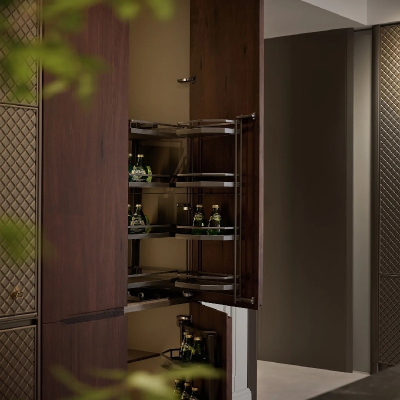
This principle addresses how you use your space. Customized cabinet functionality means designing interior storage around your specific possessions and routines. Do you need specialized pull-outs for kitchen appliances, dedicated compartments for a collection, or integrated lighting for a display area? The internal layout is engineered for your lifestyle, not a generic average.
3. Unrestricted Material and Finish Selection
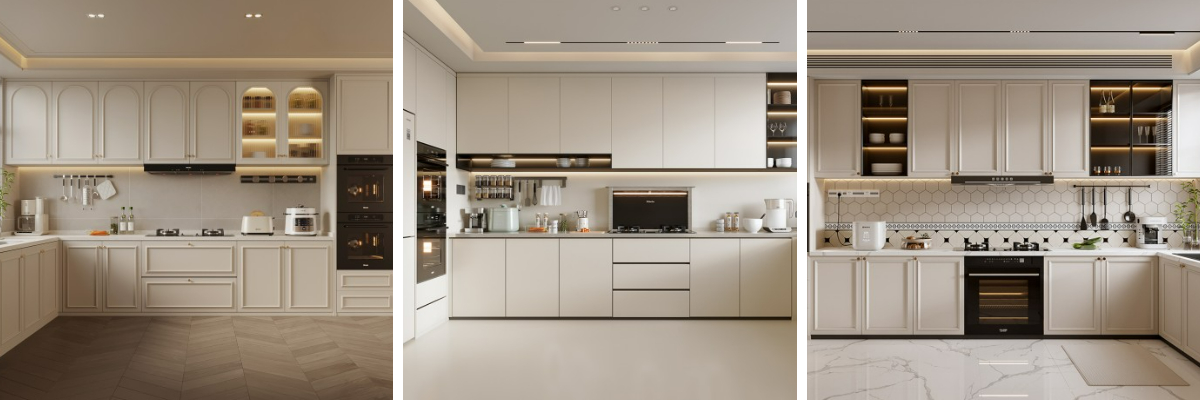
Unlike stock lines with limited options, full customization opens the door to the entire world of materials. Clients can select from a vast array of hardwood species, veneers, laminates, lacquers, and specialty finishes. This includes precise color matching, custom stain formulations, and unique decorative details like inlays or specific hardware finishes, allowing for complete coherence with any architectural style.
4. Architectural Integration
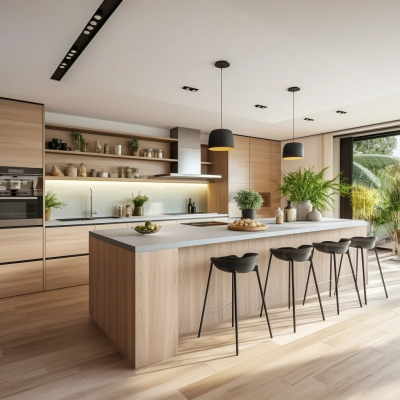
Custom cabinets are designed as an integral part of the architecture. They can be created to accommodate existing structural elements, wrap around pipes or vents, align perfectly with room moldings, or incorporate built-in appliances seamlessly. This results in a cohesive look that feels original to the space.
The Custom Cabinet Journey: From Concept to Installation
Understanding the structured workflow behind the cabinet customization process is key to appreciating its value. This is a collaborative journey involving clear stages.
Phase 1: Consultation and In-Depth Needs Analysis
The process begins with a detailed discovery phase. A qualified designer or manufacturer will discuss your project scope, functional requirements, storage inventory, aesthetic preferences, and budget. For international or remote projects, this often involves detailed questionnaires, virtual meetings, and the collection of existing architectural plans or photos.
Phase 2: Precise Measurement and Technical Drawing
Accuracy is paramount. Professionals conduct laser-accurate site measurements or rely on verified architectural drawings. From this data, they create detailed technical plans (elevations, floor plans, and cross-sections) and 3D renderings. These visuals are not just for approval; they are the manufacturing blueprint, specifying every dimension, material, hinge type, and accessory.
Phase 3: Material Sourcing and Fabrication
Upon design finalization and approval, the order moves to production. Selected materials are sourced, and cabinets are fabricated in a controlled factory environment. Modern manufacturing utilizes CNC (Computer Numerical Control) machinery, which translates the digital designs into precise cuts, drillings, and carvings, ensuring consistent, high-quality output that is ready for finishing.
Phase 4: Finishing and Quality Control
The cabinet boxes, doors, and panels undergo the specified finishing process—whether it’s spraying with catalyzed lacquer, applying a hand-rubbed stain, or laminating. A rigorous quality control for custom cabinetry stage follows, where every component is inspected for finish quality, dimensional accuracy, and hardware function before packaging.
Phase 5: Delivery and Professional Installation
For turnkey projects, professional installation is the final critical step. Skilled installers assemble the components on-site, ensuring perfect alignment, leveling, and operation. They handle the final adjustments, ensuring the vision is realized flawlessly. For trade clients (like builders or overseas distributors), cabinets are typically shipped KD (knocked-down) or RTA (ready-to-assemble) with comprehensive installation instructions.
Custom vs. Semi-Custom vs. Stock: Navigating the Options
To fully grasp “what is cabinet customization,” it’s essential to contrast it with other market offerings.
Stock Cabinets: Pre-manufactured in set, standard sizes (e.g., 12”, 15”, 18” wide increments). Limited finish and style options. Most affordable, but offers the least flexibility.
Semi-Custom Cabinets: Built to order from a catalog of pre-designed door styles and finishes, often with some flexibility in dimensions (within a modular system) and interior fittings. A middle-ground option in price and flexibility.
Full Custom Cabinets: As described above, built entirely from scratch to your specifications. No modular constraints. Highest level of personalization, quality, and cost.
The choice depends entirely on the project’s complexity, the uniqueness of the space, and the client’s priorities regarding design, function, and investment.
Key Considerations for Your Custom Cabinet Project
Embarking on a custom project requires careful planning.
Clarity of Vision: Have a clear idea of your needs, style preferences, and budget before engaging a professional. Gather inspiration images.
Partner Selection: This is the most critical decision. Look for a manufacturer or designer with proven expertise, a robust portfolio, transparent benefits of tailored storage solutions, and clear communication protocols, especially for cross-border projects.
Timeline Understanding:Custom fabrication is not instantaneous. Respect the timeline required for design, manufacturing, shipping, and installation. Lead times of 8-16 weeks are common for quality work.
Investment Perspective: View custom cabinets as a long-term investment in your property’s value and your daily quality of life. They are a premium product with a corresponding cost, justified by their durability, perfect fit, and unique design.
Conclusion: The Ultimate Expression of Form and Function
So, what is cabinet customization? It is the art and science of creating storage that is conceived, measured, and built for one specific location and one specific user. It solves spatial puzzles, streamlines daily routines, and expresses personal style in a way off-the-shelf solutions cannot. For the international market—encompassing luxury residential developers, boutique hoteliers, and discerning homeowners—it represents the pinnacle of interior millwork, merging exceptional craftsmanship with deeply personal design. In a world of mass production, custom cabinetry stands as a testament to the enduring value of tailored, thoughtful creation.
Ready to explore the possibilities of custom cabinetry for your next project?Contact our design team today for a consultation. With decades of experience serving global clients, we guide you through every step of the cabinet customization process to deliver a flawless, uniquely yours result.