Open Wardrobes: A Stylish Solution or a Dust Magnet?
Explore the trade-off between open wardrobe aesthetics and dust concerns.
Open Wardrobes: A Balanced Trade Analysis for the Global Buyer
The open wardrobe has transitioned from a boutique interior design trend to a significant segment in the global furniture market. For manufacturers, exporters, and procurement managers, this product category presents both a compelling opportunity and a set of practical challenges. The central question—stylish solution or dust magnet—is not merely a consumer concern but a critical factor influencing design specifications, material choices, and market positioning. This article provides a professional, balanced analysis tailored to the B2B trade, examining the appeal, addressing the drawbacks, and outlining key considerations for successful sourcing and supply.
The Allure: Why Open Wardrobes Are a Powerful Market Trend
The demand for open wardrobe systems is driven by fundamental shifts in lifestyle and aesthetics, making them a stylish and functional wardrobe solution for modern living.
1. Aesthetic Versatility and Spatial Perception
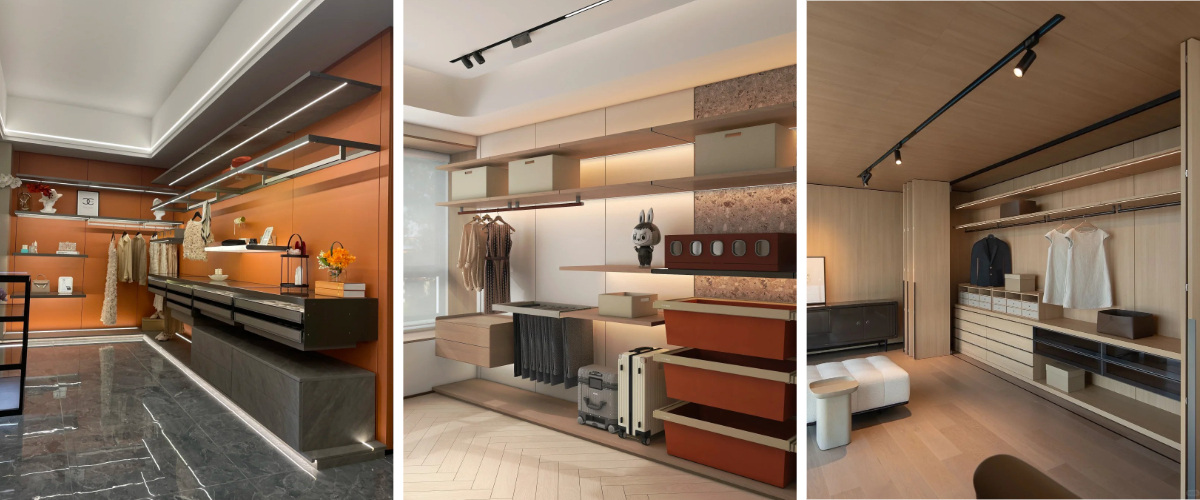
Open wardrobes, or open closets, fundamentally alter the feel of a room. They promote an airy, minimalist aesthetic that aligns with contemporary, Scandinavian, and industrial design trends popular across North America, Europe, and urban Asian markets. By eliminating solid doors, they create visual depth, making smaller bedrooms appear more spacious—a key selling point in apartments and compact homes. This design serves as a dynamic display area, allowing personal style to become part of the décor, which resonates with a growing consumer desire for personalized spaces.
2. Enhanced Functionality and Accessibility
From a practical standpoint, the design offers unparalleled ease of access. All items are immediately visible and within reach, streamlining the daily routine. This aligns with the "capsule wardrobe" and mindful consumption movements, encouraging organization and intentionality. For B2B clients, this functionality can be a major differentiator, positioning the product not just as storage, but as a tool for an efficient lifestyle. It is a prime example of space efficient wardrobe designs for modern homes.
3. Customization and Modular Flexibility
Commercially, this is where the open wardrobe shines for suppliers. Most systems are modular, based on rails, shelves, baskets, and drawers. This modularity allows for immense customization of modular closet systems for diverse markets. Exporters can ship core component kits that distributors or end-users can configure to fit varying room dimensions and storage needs. This reduces SKU complexity, optimizes shipping volume, and caters to the growing "DIY" and flat-pack furniture sectors.
The Practical Challenges: Addressing the "Dust Magnet" Reputation
The primary commercial objection to the open wardrobe is maintenance. Acknowledging and strategically addressing this is crucial for product development and customer education.
1. Dust Accumulation and Maintenance Realities
The concern is valid: exposed clothing and shelves will gather more dust and airborne particles than enclosed systems. In drier, dust-prone regions or urban environments, this can be a significant deterrent. For the trade, ignoring this issue leads to post-purchase dissatisfaction. The professional response is not to dismiss the concern but to integrate dust management solutions for open closets into the product ecosystem. This includes offering compatible fabric storage boxes, zippered garment covers, and frequent cleaning guidelines as part of the product literature or as add-on sales.
2. Requirement for Curation and Organization
An open wardrobe demands a higher degree of ongoing organization. Disarray is immediately visible. This shifts the product value proposition: it is best marketed to a consumer segment that values curation. For bulk buyers like hoteliers or student accommodation providers, this may make the style less suitable for all applications, guiding targeted marketing efforts.
Strategic Integration: Blending Style with Practicality
The most successful market offerings navigate the style-practicality divide through intelligent design and clear communication.
1. Hybrid Design Solutions
The market is increasingly favoring hybrid models. These designs combine open hanging areas with closed storage for less frequently used or less aesthetically pleasing items. Examples include:
A central open section flanked by cabinets with doors or drawers.
Systems incorporating textured glass panels or slatted wood screens that provide visual semi-enclosure while maintaining an open feel.
These hybrid approaches mitigate dust concerns while preserving the core aesthetic, making them highly versatile for export-ready modern wardrobe designs.
2. Material and Finish Specifications
Material choice directly impacts perception and maintenance. Easy-to-wipe surfaces like laminated wood, powder-coated metal, or treated bamboo are superior to rough, porous textures. For exporters, specifying low-static and easy-clean materials in product data sheets addresses durability and maintenance upfront, enhancing the product's long-term value of modular wardrobe units.
3. Market-Specific Positioning and Education
Understanding regional preferences is key. In humid coastal markets, airflow might be a bigger selling point than dust control. In metropolitan areas with pollution, the hybrid solution should be foregrounded. Providing retailers with clear merchandising guides—showing how to style the wardrobe neatly and which add-ons to recommend—empowers the sales chain and manages end-customer expectations effectively.
Procurement and Sourcing Considerations for Buyers
For importers and procurement managers, due diligence goes beyond unit cost.
Component Quality: Inspect the load-bearing capacity of brackets and rails, and the finish durability of metal components. The structure is fully visible and must convey quality.
Modularity and Compatibility: Ensure component systems from a supplier are fully compatible and scalable. Can you easily reorder additional shelves or baskets in two years?
Packaging and Assembly: Open wardrobe kits often contain many small parts. Packaging must be meticulously organized to prevent damage and simplify assembly. Clear, multilingual instructions are a must.
Target Audience Alignment: Align your purchase with the right retail or project channel. Pure open systems may excel in direct-to-consumer online sales targeting design-savvy millennials, while hybrid models may be better for broader furniture showrooms.
Conclusion: A Nuanced Opportunity in Furniture Export
The open wardrobe debate resolves not by choosing a side, but by embracing a sophisticated product strategy. It is both a stylish solution and a product that requires thoughtful design to address practical concerns. For the international furniture trade, the opportunity lies in offering well-engineered systems that provide flexibility.
The winning formula combines robust, aesthetically pleasing modules with optional closed elements and complementary storage accessories. By providing these tailored solutions and educating the supply chain on their optimal use, manufacturers and exporters can transform a potential objection into a demonstrated understanding of modern living needs. The open wardrobe segment, therefore, represents a mature and evolving market niche where success is defined by balancing uncompromising design with real-world practicality.