Built-in Wardrobes Pros & Cons
Analyzing the advantages & drawbacks of built-in wardrobes for global buyers. Covers customization, space use, cost, and key sourcing considerations.
Built-In Wardrobes: A Comprehensive Trade Analysis of Advantages and Drawbacks
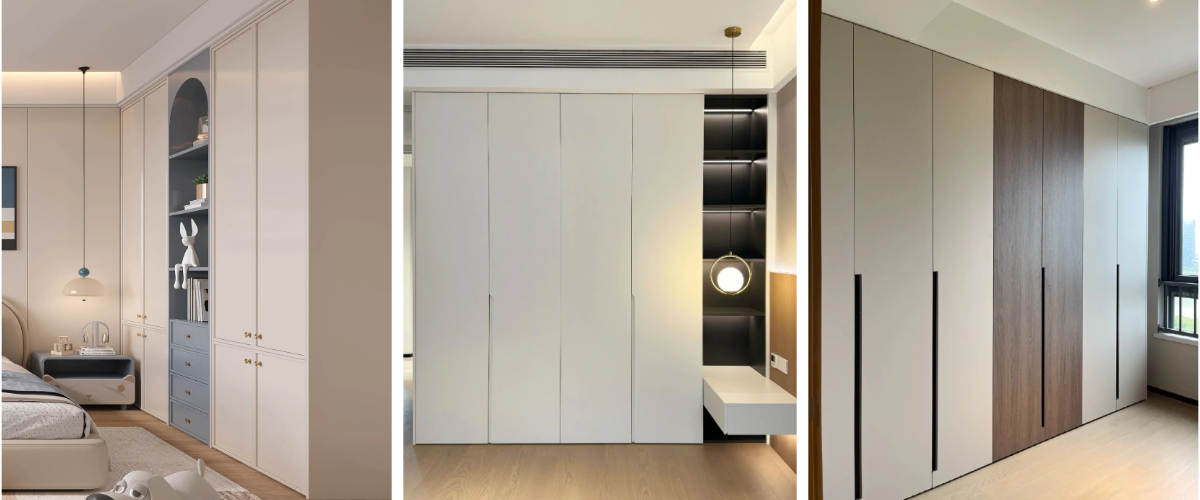
For international furniture manufacturers, exporters, and procurement managers, understanding the nuanced value proposition of built-in wardrobes is essential. Unlike freestanding units, built-in or fitted wardrobes are custom-crafted to seamlessly integrate into a room's architecture. This product segment represents a significant and growing market, driven by urbanization and the demand for optimized living spaces. This analysis provides a professional overview of the key pros and cons of built in wardrobes, offering critical insights for B2B decision-makers in the global home furnishings trade.
The Defining Advantages of Built-In Wardrobes
The appeal of built-in wardrobes in international markets is rooted in their ability to solve specific spatial and aesthetic challenges, offering compelling value to end-users and, by extension, to retailers and project developers.
1. Unmatched Space Utilization and Storage Efficiency
The primary advantage is maximal space utilization. Built-in wardrobes are designed to fit exact room dimensions, from floor to ceiling and wall to wall. This eliminates wasted gaps and awkward corners, dramatically increasing storage capacity. For markets with premium real estate prices, such as major Asian and European cities, this efficient use of every cubic foot is a major selling point. The interior can be fully customized with **modular storage solutions for fitted wardrobes**, including pull-out trays, shoe racks, tie holders, and adjustable shelving, which are themselves valuable add-on components for manufacturers.
2. Aesthetic Cohesion and Design Flexibility
Built-in wardrobes offer a sleek, streamlined appearance that enhances a room's overall design. They can be finished to match existing trim, wall colors, or other cabinetry, creating a cohesive and elevated look. This design integration is a key factor in modern interior design trends globally. Furthermore, they provide extensive customization options for master bedroom storage, allowing for choices in door styles (sliding, hinged, foldable), materials (laminate, wood veneer, lacquer), handles, and interior fittings. This flexibility allows suppliers to cater to diverse regional aesthetic preferences.
3. Long-Term Property Value and Perceived Quality
Well-executed built-in wardrobes are often viewed as a permanent improvement, similar to quality kitchen cabinetry. They can enhance the perceived value and functionality of a property, making them attractive for residential real estate developers and hotel projects. For the B2B seller, this positions the product not merely as furniture, but as a component of high-quality construction and finish, commanding a higher price point and fostering partnerships with project-based clients.
4. Durability and Structural Integrity
When professionally manufactured and installed, built-in wardrobes typically feature robust construction. They are anchored directly to wall studs, resulting in superior stability compared to some freestanding units. This inherent durability of custom bedroom cabinetry translates to fewer warranty claims and higher long-term customer satisfaction, reducing the total cost of ownership for bulk buyers.
The Practical Drawbacks and Sourcing Considerations
Despite their benefits, built-in wardrobes present distinct challenges that must be carefully managed in a trade and manufacturing context.
1. Higher Initial Cost and Complex Logistics
The cost comparison of built-in vs. freestanding wardrobes consistently shows a higher initial investment. This encompasses not only materials but also the costs of precise measurement, custom fabrication, and professional installation. For exporters, this means the product falls into a higher-value category with associated complexities in pricing, quoting, and shipping. Components often require careful packaging to avoid damage during transit, and incorrect measurements sent by distant clients can lead to costly returns or refabrication.
2. Lack of Portability and Permanent Installation
Built-in wardrobes are, by design, fixed installations. They cannot be easily disassembled and moved to a new home. This limits the target market to homeowners, landlords, and long-term renters, potentially excluding the transient demographic. For trade fairs and showroom displays, suppliers must invest in modular demonstration units that can be reconfigured, rather than shipping complete installations.
3. Complex Installation and Dependency on Skilled Labor
A significant drawback is the dependency on precise installation. The product cannot be simply "plugged and played." It requires skilled technicians on-site for assembly and fitting. For an exporter, this creates a critical decision: whether to train and certify installation partners in target markets or to sell exclusively to large clients who have their own fitting teams. This complexity is a major factor in the **installation challenges of fitted wardrobes** and must be addressed in the service model.
4. Potential for Perceived Obsolescence and Style Lock-in
While durable, the very permanence of a built-in wardrobe can become a drawback if styles change. A heavily customized design may feel dated in a decade, whereas a freestanding unit can be replaced more easily. This places pressure on manufacturers to offer timeless door styles and finishes, and to design interior systems that can be updated or reconfigured over time without replacing the entire structure.
Strategic Insights for Global Buyers and Suppliers
For procurement managers and importers, a nuanced approach is required:
Market Segmentation: Target regions with high urban density and growing real estate development, where space optimization is a premium.
Product Offering: Develop a range of standardized modular systems that allow for "customization within parameters." This balances client choice with manufacturing efficiency and reduces errors.
Partnership Model:Establish clear partnerships with reliable measurement and installation service providers in your target markets. The quality of installation directly reflects on your brand.
Communication: Provide comprehensive guides for accurate room measurement and specification. Clear technical drawings and material samples are vital to avoid costly misunderstandings.
Conclusion: A Calculated Opportunity in Customized Storage
The decision to source, manufacture, or supply built-in wardrobes hinges on a clear-eyed assessment of its pros and cons. The advantages—superior space use, aesthetic integration, and value addition—are powerful drivers in specific, high-value market segments. However, the drawbacks—higher cost, logistical complexity, and installation dependence—present real barriers that must be strategically managed.
For the savvy trade professional, success lies in systemizing the custom process. By offering well-engineered, modular component systems backed by precise technical support and strong local installation partnerships, suppliers can mitigate the cons and capitalize on the strong, enduring demand for personalized, space-saving storage solutions worldwide. The market for built-in wardrobes rewards those who combine manufacturing excellence with project management sophistication.