How to Choose Hotel Room Doors for Your Hotel Project?
How to Choose Hotel Room Doors for Your Hotel Project?
When undertaking a hospitality interior design or whole-house customization project, every detail dictates the guest experience. Among these, hotel room doors are arguably one of the most critical building components. They are not merely entryways; they are central to guest privacy, acoustic insulation, fire safety, and overall aesthetic harmony.
For overseas property developers, interior designers, and B2B procurement managers, sourcing the right doors requires balancing strict building regulations with sophisticated design standards. This comprehensive guide outlines the essential factors to consider when selecting and importing hotel room doors for your upcoming hospitality project.
1. Understanding the Core Requirements of Hotel Doors
Unlike standard residential interior doors, hotel room doors must withstand heavy traffic while meeting rigorous commercial performance benchmarks. When planning your procurement list, three core functional pillars must guide your decision-making process: acoustic performance, fire resistance, and mechanical durability.
Acoustic Insulation (Soundproofing): Privacy is the number one priority for hotel guests. Unwanted corridor noise—such as housekeeping carts, talking guests, or closing doors—can severely impact guest satisfaction. High-quality hotel room doors typically feature acoustic cores and drop-seal systems to achieve an STC (Sound Transmission Class) rating of 35 to 45 decibels.
Fire Safety Compliance: Commercial building codes mandate strict fire-rated standards for guestroom entry doors. Depending on local regulations and project specifications, doors must often comply with ratings such as FD30 or FD60 (offering 30 to 60 minutes of fire protection) to slow the spread of smoke and flames.
Structural Durability: Hotel doors endure constant impact from luggage, housekeeping equipment, and heavy usage. Selecting robust composite materials, engineered wood construction, and heavy-duty hardware prevents warping, sagging, and surface damage over years of operation.
2. Selecting the Ideal Materials and Core Construction
Selecting the appropriate core construction is essential to meeting both acoustic and fire-safety requirements without compromising your aesthetic vision.
Engineered Wood and Composite Cores
Solid wood is rarely recommended for commercial hotel rooms due to its susceptibility to humidity, temperature fluctuations, and warping. Instead, modern whole-house custom manufacturing relies on advanced composite structures:
Particleboard Cores: Suitable for standard interior bathroom or closet doors where high fire and acoustic ratings are not strictly mandated.
Solid Mineral Cores / Fire-Retardant Cores: Essential for main guestroom entrance doors. These cores provide the necessary weight and density for sound insulation while incorporating certified fire-resistant materials.
Surface Finishes and Aesthetics
The exterior finish of the door sets the tone for the entire guestroom interior. To align with modern hospitality trends, procurement teams often lean toward versatile, durable finishes:
Wood-Grain Melamine and Laminates: Offer a consistent, high-end wood aesthetic with superior scratch, moisture, and wear resistance compared to natural veneer.
PU Paint Finishes: Deliver a sleek, modern matte or high-gloss finish that can be custom-matched to any interior color palette.
3. Integrating Hardware and Access Control Systems
A hotel door is only as secure and functional as its hardware. Modern hotel projects require seamless integration between the door leaf, frame, and electronic locking systems.
RFID and Smart Lock Integration: Most contemporary hotels utilize RFID keycards or smartphone-enabled access control locks. When ordering custom doors, ensure that the manufacturer provides precise pre-drilling and mortising according to your specific lock brand's template.
Heavy-Duty Hinges and Closers: Because fire-rated hotel entry doors are heavy, they require at least three heavy-duty ball-bearing hinges. Automatic door closers are also mandatory on guestroom entry doors to ensure they latch securely and quietly every time a guest exits.
Automatic Drop Seals: Installed at the bottom of the door, acoustic drop seals lower automatically when the door is closed to seal the gap against the floor, significantly enhancing soundproofing without dragging on carpets.
4. Matching Doors with Overall Room Customization
In modern whole-house customization, consistency is key. Hotel room doors should never be selected in isolation; they must harmonize with the broader interior architectural elements.
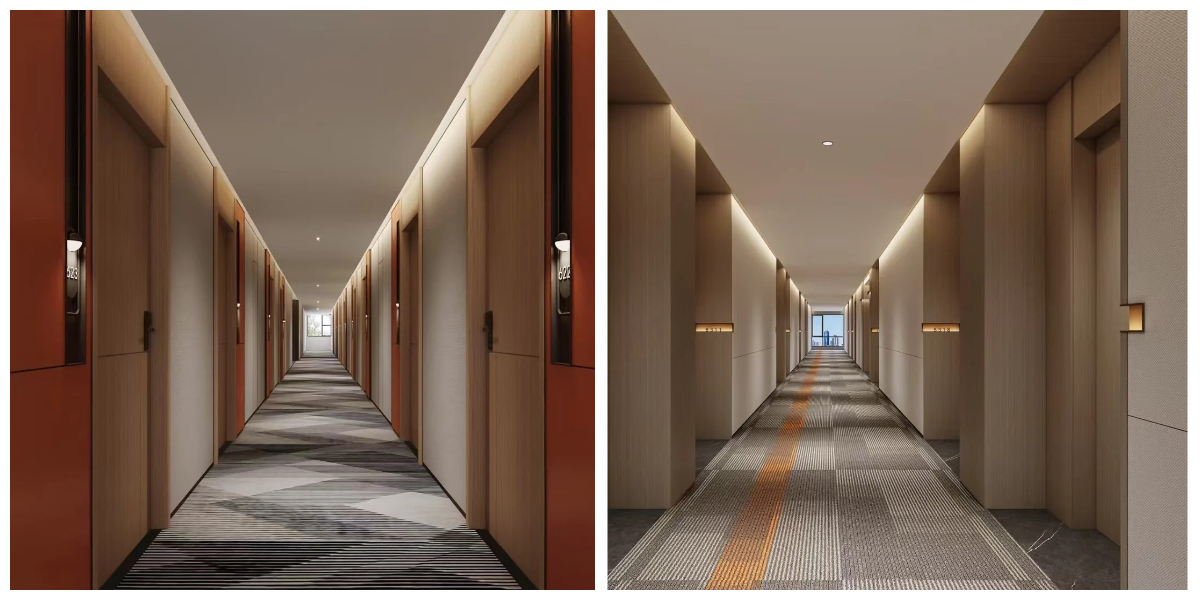
Matching Wall Panels and Door Casings: Many hospitality projects utilize integrated wall paneling (wainscoting or fluted panels) in corridors and entry foyers. Working with a manufacturer capable of producing matching door frames, architraves, and wall panels ensures a seamless, flush architectural appearance.
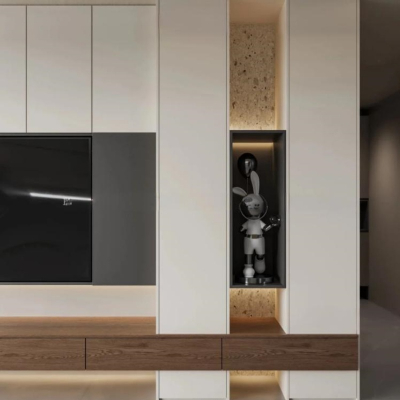
Coordinating with Casegoods: The finish of the entry and interior doors should complement the fixed furniture, such as wardrobes, TV units, and headboards, creating a cohesive design narrative throughout the suite.
5. Sourcing and Quality Control for Overseas Projects
Managing the procurement of custom hotel doors across international borders requires meticulous attention to logistics, manufacturing standards, and quality verification.
Partnering with Certified Manufacturers: Always work with established custom manufacturing partners who utilize advanced production lines and possess international certifications for fire and acoustic performance.
Comprehensive Shop Drawings: Before mass production begins, ensure the supplier provides detailed shop drawings indicating handing, dimensions, hardware locations, and fire-rating labels for every single door in the project.
Protective Packaging for Export: International shipping involves multiple loading and unloading stages. Ensure your supplier uses reinforced export-grade crating, corner protection, and moisture-barrier wrapping to prevent transit damage.
Conclusion
Choosing the right hotel room doors is a strategic investment in your property's reputation, safety, and operational longevity. By prioritizing acoustic comfort, fire compliance, durable core materials, and coordinated hardware integration, you can create a secure and serene environment that delights every guest.
If you are currently planning a hospitality interior project and require expert guidance on custom hotel doors, matching wall panels, or integrated architectural solutions, reach out to our team today to discuss your project requirements.