How To Create Multi-Functional Children’s Room Design?
1. Industry Background: The Rising Demand for Multi-Functional Children’s Room Design
The global children’s interior design and furniture market is experiencing strong growth, driven by urbanization, smaller living spaces, and heightened parental focus on functional, safe, and adaptable living environments for children. According to recent market analysis, the global kids’ bedroom furniture sector was valued at USD 48.05 billion in 2024 and is projected to grow at a CAGR of 9.2% through 2032, reaching USD 97.15 billion. Meanwhile, the children’s room decor market is expected to expand from USD 24.5 billion in 2024 to USD 42.3 billion by 2033, reflecting consistent demand for high-quality, versatile children’s spaces.
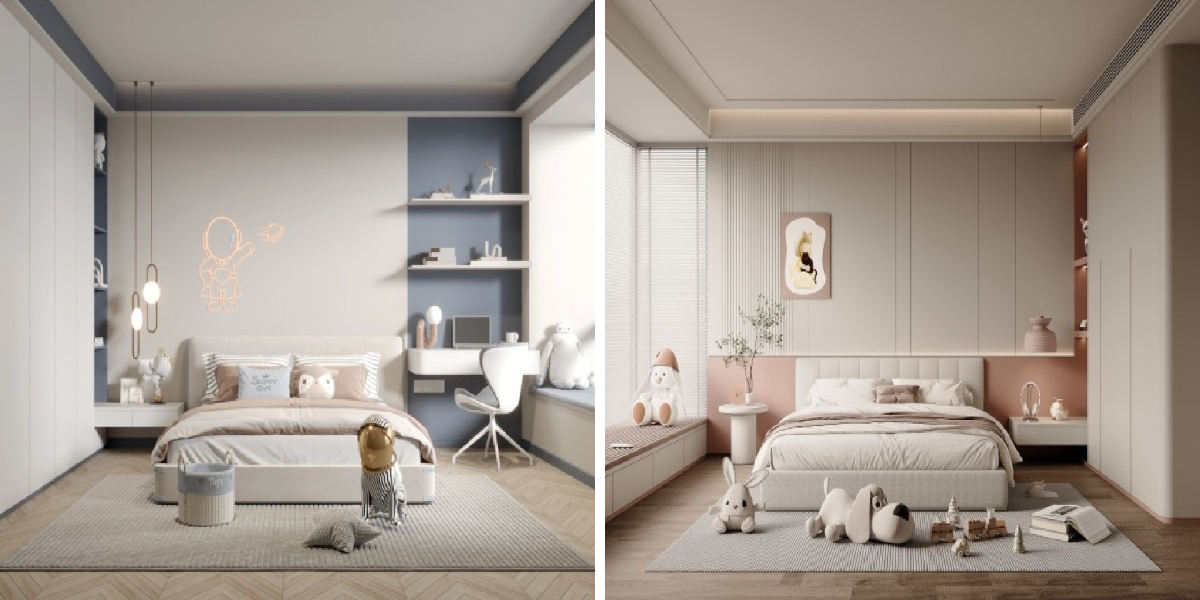
For commercial projects—including residential apartments, hotel family rooms, serviced apartments, and kindergartens—multi-functional children’s room design has become a key competitive advantage. Modern developers, hoteliers, and design firms recognize that standard single-purpose children’s rooms no longer meet market expectations. Today’s buyers prioritize spaces that integrate sleeping, studying, playing, storage, and growth adaptability within compact urban footprints.
This shift has elevated multi-functional children’s room design from a luxury feature to a core requirement in global commercial and residential projects. For B2B buyers—developers, hotel chains, furniture retailers, and design contractors—sourcing professional, scalable, and safe multi-functional children’s room solutions is critical to project success, customer satisfaction, and market differentiation.
2. Core Principles of Multi-Functional Children’s Room Design
Effective multi-functional children’s room design is built on four foundational principles that balance practicality, safety, longevity, and aesthetics. These principles guide every decision from layout planning to material selection, ensuring solutions meet both functional demands and commercial quality standards.
2.1 Safety: Non-Negotiable Foundation
Safety is the primary consideration in all children’s environments. Key safety requirements include:
· Non-toxic materials: Low-VOC paints, E0/E1 formaldehyde-free wood panels, BPA-free components, and certified non-toxic adhesives
· Structural safety: Rounded corners, reinforced frames, anti-tip wall fasteners, stable ladders, and secure railings for elevated beds
· Ergonomic design: Age-appropriate dimensions, adjustable heights, and supportive structures to promote healthy development
· International compliance: Meeting ASTM F963 (US), EN 71 (EU), GB 28007 (China), and GREENGUARD certifications for commercial use
2.2 Space Optimization: Vertical & Smart Utilization
Maximizing limited space is central to multi-functional design, especially in urban projects:
· Vertical space use: Loft beds, wall-mounted storage, floor-to-ceiling cabinets, and elevated sleeping zones
· Dual-purpose furniture: Beds with under-bed storage, convertible desks, ottomans with internal compartments
· Modular systems: Interchangeable, stackable components adaptable to room size and changing needs
· Smart zoning: Clear separation of activities without physical barriers, preserving open floor space
2.3 Growth Adaptability: Long-Term Value
Children’s needs evolve rapidly; effective designs grow with the user:
· Convertible furniture: Cribs to toddler beds, changing tables to storage units, extendable desks
· Flexible layouts: Easily reconfigurable storage and furniture for different age groups
· Timeless aesthetics: Neutral bases with interchangeable decor elements to avoid frequent renovations
2.4 Aesthetic & Functional Harmony
Multi-functional design must maintain visual appeal while delivering utility:
· Warm minimalism: Soft neutrals, natural textures, and clean lines dominating 2026 trends
· Customization: Project-specific colors, finishes, and configurations to align with brand themes
· Seamless integration: Storage, lighting, and furniture designed as unified architectural elements
3. Key Elements of Multi-Functional Children’s Room Design
3.1 Smart Storage Solutions
Efficient storage eliminates clutter and supports multiple functions:
· Under-bed storage: Drawers, pull-out cabinets, and lift-up bases for bedding, toys, and clothing
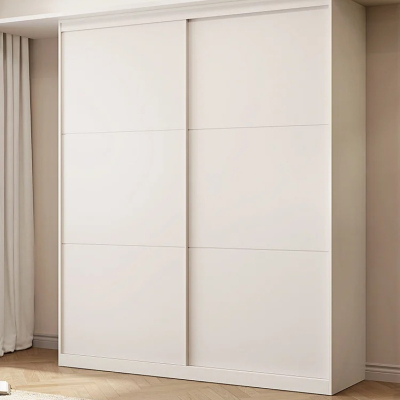
· Wall-integrated storage: Built-in wardrobes, floating shelves, pegboards, and concealed cabinets
· Modular cubes: Customizable units adaptable to changing storage needs
· Combined units: Wardrobe-desk combinations, storage-staircases for loft beds
3.2 Versatile Furniture Core
Furniture selection defines functional capacity; high-demand commercial pieces include:
· Loft & bunk beds: Upper sleeping areas with study/play/storage zones below
· Convertible beds: Single-to-double beds, daybeds with trundles for guest use
· Integrated study units: Desks with bookshelves, drawer units, and cable management
· Flexible seating: Foldable chairs, stackable stools, and bench seating with hidden storage
3.3 Functional Zoning
Divide single rooms into efficient, dedicated zones:
· Sleeping zone: Quiet, comfortable, with soft lighting and personal storage
· Study zone: Well-lit, ergonomic, with focused workspace and supply storage
· Play zone: Open, safe, with flexible toy storage and soft flooring
· Creative zone: Chalkboard/magnetic walls, art displays, and craft storage
3.4 Layered Lighting Design
Lighting supports all activities while enhancing safety:
· Ambient lighting: Soft overhead LEDs for general illumination
· Task lighting: Adjustable desk lamps and under-cabinet lights for focused activities
· Accent lighting: Decorative wall sconces and backlit shelving
· Safety lighting: Night lights and illuminated step edges
3.5 Durable, Safe Materials
Commercial-grade projects demand high-performance materials:
· Solid wood & engineered wood: FSC-certified, durable, stable
· Eco-composites: Bamboo, recycled wood, low-formaldehyde panels
· Premium hardware: Smooth-gliding drawers, soft-close hinges, sturdy mechanisms
· Easy-clean surfaces: Stain-resistant, low-maintenance finishes for high-traffic use
4. 2026 Trends Shaping Multi-Functional Children’s Room Design
4.1 Smart & Tech-Integrated Solutions
· Built-in USB charging, LED controls, and cable management
· App-connected lighting and adjustable furniture components
· Labeled smart storage systems for organized play and learning
4.2 Sustainable & Eco-Conscious Design
· 78% of global B2B buyers prioritize eco-certified children’s furniture (2026 industry survey)
· Renewable materials (bamboo, FSC wood), recycled fabrics, water-based paints
· Circular design: Durable, recyclable products reducing replacement frequency
4.3 Customization & Brand Alignment
· Project-specific sizes, colors, and configurations for hotel/apartment portfolios
· Brand-themed design elements for commercial children’s spaces
· Modular systems allowing mix-and-match flexibility
4.4 Warm Minimalism & Natural Aesthetics
· Moving beyond bright primaries to soft neutrals, warm woods, and textured fabrics
· Biophilic design: natural materials, nature patterns, indoor plant integration
· Clean lines with concealed storage maintaining sophisticated appeal
4.5 Commercial-Grade Durability
· High-traffic resistant materials and reinforced construction
· Easy-maintenance finishes simplifying property management
· Extended warranties standard in B2B children’s furniture contracts
5. Step-by-Step Guide: Design for B2B Projects
Step 1: Project Analysis & Requirements
· Define target age range, occupancy (single/shared), and project type
· Assess room dimensions, layout constraints, and functional priorities
· Set budget, certification standards, and lead-time expectations
Step 2: Space Planning & Zoning
· Create scaled floor plans optimizing natural light and flow
· Allocate zones by priority (study for student housing, play for hotels)
· Maximize vertical space with loft/bunk configurations where possible
· Ensure 60cm+ clear pathways between zones for safety
Step 3: Furniture Selection & Customization
· Choose commercial-grade multi-functional pieces matching project scale
· Specify custom dimensions, colors, and materials aligning with interior themes
· Prioritize certified safe, durable materials for high-use environments
· Integrate built-in storage to minimize visual clutter
Step 4: Material & Finish Specification
· Select low-VOC, non-toxic materials meeting international safety standards
· Choose durable, easy-clean finishes for commercial longevity
· Coordinate palettes and textures for cohesive aesthetics
· Confirm compliance with fire safety and local building codes
Step 5: Lighting & Electrical Integration
· Design layered lighting supporting all functional zones
· Plan child-safe outlets and organized cable management
· Include energy-efficient LEDs reducing long-term costs
· Unify ambient, task, and safety lighting in cohesive design
Step 6: Safety & Compliance Review
· Verify structural stability, anti-tip devices, and secure wall mounting
· Confirm material safety certifications and edge protection
· Ensure compliance with regional children’s furniture regulations
· Review ergonomic suitability for target age groups
Step 7: Installation & Quality Assurance
· Provide clear assembly instructions for bulk installation
· Conduct pre-delivery quality inspections for durability and finish
· Supply maintenance guidelines for property managers
· Include post-installation support and warranty documentation
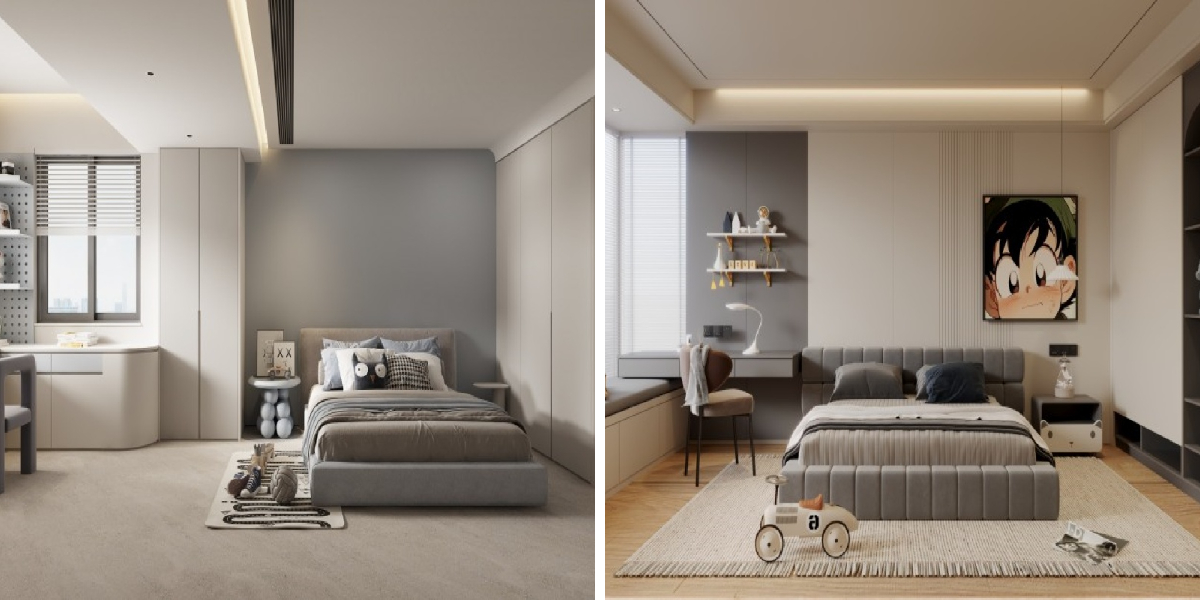
6. Manufacturing & Quality Control for Commercial Projects
6.1 Material Preparation
· Source FSC-certified wood, E0/E1 panels, and eco-composites
· Pre-treat materials for durability, fire resistance, and stability
· Test formaldehyde emissions, tensile strength, and load capacity
6.2 Precision Manufacturing
· CNC cutting for accurate, repeatable bulk production
· Dovetail and mortise-and-tenon joinery for structural strength
· Automated assembly ensuring consistency across large orders
· Reinforced hardware installation for commercial durability
6.3 Finishing & Safety Treatment
· Multi-layer water-based, low-VOC finishing
· Rounded corner processing eliminating sharp edges
· Safety testing per ASTM, EN, and GB standards
· Final inspection verifying function, finish, and compliance
6.4 Packaging & Logistics
· Protective packaging optimized for international shipping
· Clear labeling and assembly guides for efficient installation
· Barcode tracking for bulk order management
· Damage-free delivery guarantee for project timelines
7. FAQ
What certifications are essential for commercial children’s furniture?
Key certifications include ASTM F963 (US), EN 71 (EU), GB 28007 (China), FSC (wood), and E0/E1 (emissions). Additional certifications like CE, UL, and GREENGUARD strengthen market acceptance. All products should include full test reports.
How to balance multi-functionality with durability in high-traffic projects?
Select commercial-grade materials (18mm+ panels, reinforced frames, heavy-duty hardware) and stress-tested designs. Prioritize solid construction over complex mechanisms. Choose modular designs where high-wear parts can be replaced individually.
What lead times apply to bulk custom children’s furniture orders?
Standard lead times: 30–45 days for standard orders; 45–60 days for fully customized projects. Large commercial projects (100+ units) typically require 60–90 days including design, production, and shipping.
How to ensure designs adapt to different age groups?
Use convertible/adjustable features: height-adjustable desks, extendable beds, interchangeable storage. Design neutral bases with age-specific accessories that can be swapped, reducing long-term renovation costs.
What are the most cost-effective solutions for large-scale projects?
Top value options: loft beds with integrated study/storage, modular storage systems, convertible daybeds, and wall-mounted folding furniture. Standardized designs with limited customization optimize costs without compromising safety.
8. Conclusion & Call to Action
Multi-functional children’s room design is now a global market necessity, not just a trend. For B2B buyers, it represents a critical opportunity to enhance project value, meet client demands, and gain competitive edge. By integrating safety, space efficiency, adaptability, and commercial-grade quality, you deliver children’s spaces that combine functionality, aesthetics, and long-term value.
Successful projects require partnerships with experienced manufacturers offering customizable, certified, durable multi-functional children’s room solutions. Whether developing apartments, hotels, or institutional spaces, prioritizing professional multi-functional design directly boosts your project’s appeal and profitability.
Partner with us for your next project: We specialize in commercial-grade multi-functional children’s room furniture and design solutions tailored for B2B buyers. Our offerings include fully customizable designs, international safety certifications, bulk order capacity, and end-to-end project support. Contact our sales team today to discuss requirements, request a catalog, or schedule a custom consultation. Let’s create innovative, safe, functional children’s spaces that elevate your global projects.