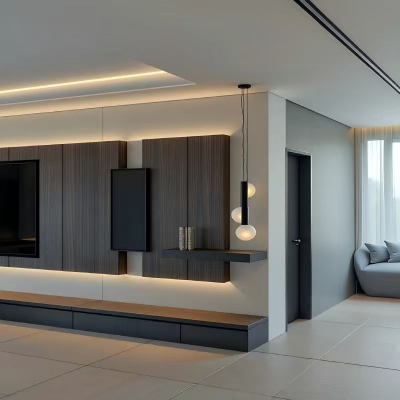
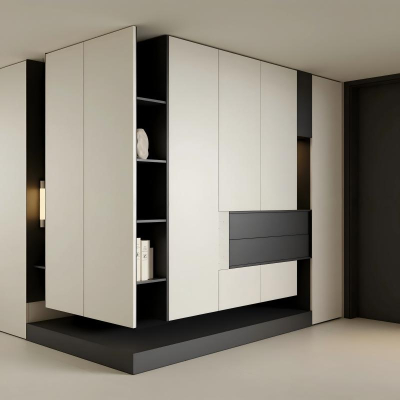
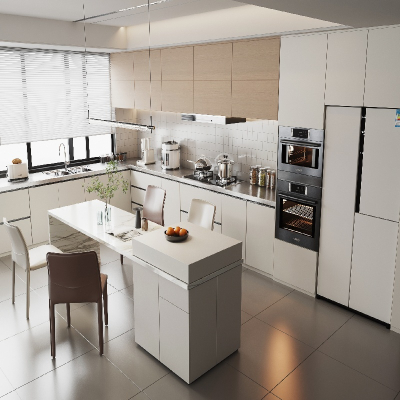
Large Apartment Whole-House Customization Tips
In today’s competitive real estate and hospitality market, large apartments—including high-end residential complexes, serviced apartments, luxury rental units, and multi-family commercial projects—have become a top investment choice globally. For real estate developers, project contractors, property investors, and B2B buyers, the quality of interior finishing and furnishing directly determines property value, tenant satisfaction, and long-term return on investment. Off-the-shelf, mass-produced furniture often fails to meet the unique spatial needs of large apartments, resulting in wasted space, disjointed aesthetics, and low durability that leads to frequent replacements and rising maintenance costs.
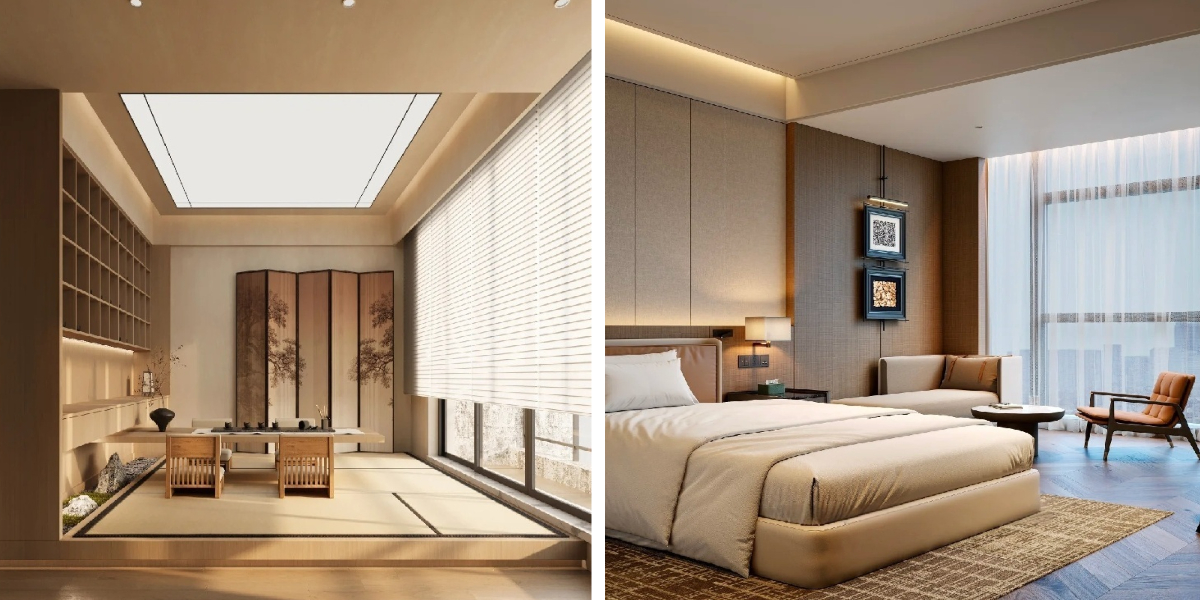
This is where large apartment whole-house customization becomes a game-changing solution. Tailored whole-house customization transforms oversized, irregular, or underutilized spaces into functional, cohesive, and high-end living areas while ensuring consistency across multi-unit apartment projects. Unlike residential small-scale customization, large apartment projects demand strict attention to bulk consistency, cost control, safety compliance, and durability—all critical factors for B2B stakeholders managing large-scale developments.
2. Tip 1: Prioritize Layout Planning & Space Rationalization
The foundation of successful large apartment whole-house customization is meticulous layout planning and space rationalization. Large apartments often present unique design challenges: irregular room shapes, excessive open floor space, multi-functional zoning requirements, and standardized dimensions across multi-unit developments. Poor layout planning not only ruins the visual flow of the space but also leads to costly reworks, delayed project timelines, and inefficient space usage that disappoints end-users.
2.1 Conduct Accurate, Comprehensive Site Measurements
Before initiating any design or production, conduct precise, full-site measurements of every apartment unit. Account for structural columns, wall protrusions, window placements, electrical outlets, and plumbing lines to ensure custom cabinets, wardrobes, storage units, and wall panels fit perfectly without modifications. For bulk multi-unit projects, standardize measurement templates to maintain consistency across all apartments, reducing production errors and speeding up the customization process.
2.2 Divide Functional Zones Strategically
Large apartments require clear functional zoning to balance open spaces and private areas. Define distinct zones for living, dining, sleeping, storage, and home office use, and align custom furniture placement with these zones to enhance usability. Avoid overcrowding open areas with unnecessary custom pieces, and prioritize storage solutions that blend into the layout rather than disrupting it. Strategic zoning ensures the apartment feels spacious and organized, a key selling point for tenants and buyers.
2.3 Align Customization with Building Structure
All whole-house customization elements must align with the apartment’s overall structural design. Avoid custom fixtures that compromise load-bearing walls, wiring, or plumbing systems, as these modifications pose safety risks and violate building codes. For large-scale projects, collaborate closely with architects and construction teams to ensure customization plans integrate seamlessly with the building’s structure, eliminating delays and safety hazards.
3. Tip 2: Select Durable, Compliant & Cost-Effective Materials
Material selection is one of the most critical large apartment whole-house customization tips for B2B buyers, as it directly impacts quality, safety, long-term durability, and budget compliance. Large apartment projects serve high volumes of tenants or residents, so materials must withstand heavy daily use while meeting international environmental and safety standards.
3.1 Choose E1/E0 Grade Environmental Boards
For custom wooden cabinets, wardrobes, and storage units, prioritize E1 or E0 grade low-formaldehyde environmental boards. These materials comply with global green building standards, reduce harmful emissions, and ensure a safe indoor environment for occupants—an essential feature for luxury and commercial apartments that require health and safety certifications. Non-compliant, low-quality materials not only risk regulatory penalties but also damage your project’s reputation and lead to tenant dissatisfaction.
3.2 Prioritize Wear-Resistant, Moisture-Proof Finishes
Large apartment furnishings face constant use, spills, and humidity exposure, especially in kitchens, bathrooms, and high-traffic common areas. Select materials with scratch-resistant, stain-resistant, and moisture-proof surface treatments to extend the lifespan of custom pieces. For kitchen cabinets and bathroom vanities, use waterproof engineered wood or sealed solid wood to prevent warping and mold growth, reducing long-term maintenance costs for property managers.
3.3 Balance Quality & Bulk Cost Efficiency
For large-scale multi-unit projects, source materials in bulk to secure wholesale pricing and reduce costs without sacrificing quality. Match material grades to the apartment’s positioning: opt for premium solid wood for luxury apartments and durable engineered wood for mid-scale serviced apartments to align with budget constraints. Avoid overspending on exotic, high-maintenance materials that offer little practical value for commercial apartment use.
4. Tip 3: Balance Aesthetic Unity & Functional Practicality
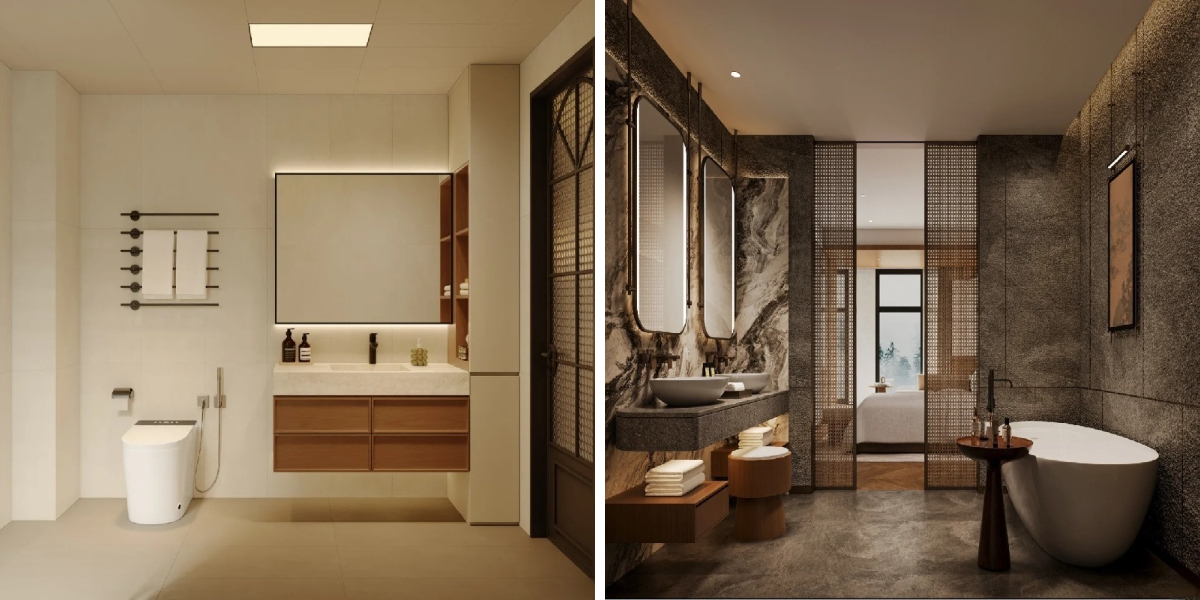
A common pitfall in large apartment whole-house customization is prioritizing flashy aesthetics over functional practicality, or vice versa. Successful customization strikes a perfect balance between visual cohesion and daily usability, creating spaces that are both visually appealing and highly functional for end-users. For B2B projects, consistent aesthetics across all units also strengthen brand identity and market appeal.
4.1 Maintain Unified Design Aesthetics
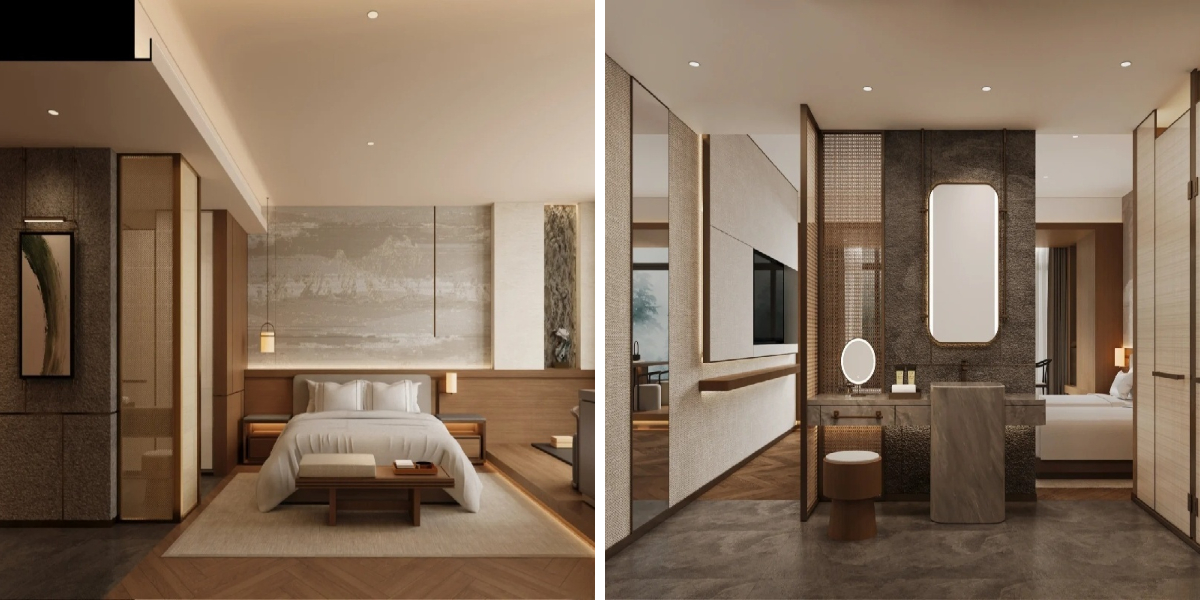
Establish a consistent design style—whether modern minimalist, contemporary luxury, or classic neutral—and apply it across all custom elements, including wardrobes, kitchen cabinets, storage units, wall panels, and decorative fixtures. Use matching wood tones, hardware finishes, and color palettes to create a seamless, polished look throughout the apartment. For multi-unit complexes, standardize design templates to ensure uniformity, simplifying production and installation.
4.2 Prioritize High-Use Functional Features
Functionality should guide every custom design decision. Incorporate ample storage space—including built-in wardrobes, under-stair cabinets, and kitchen pantry units—to maximize space efficiency in large apartments. Install user-friendly, commercial-grade hardware for cabinets and drawers, as these components endure repeated use. For serviced apartments, add adaptable features like foldable desks or multi-purpose storage to cater to diverse tenant needs, boosting rental appeal.
4.3 Avoid Overly Complex Decorative Elements
While aesthetics matter, overly ornate custom designs increase costs, extend production timelines, and are difficult to maintain in commercial apartment settings. Opt for clean, timeless designs that appeal to a broad range of tenants and resist trend obsolescence. Simplify decorative details without compromising elegance to keep projects on budget and on schedule.
5. Tip 4: Control Budget & Bulk Customization Efficiency
Budget control is a top priority for B2B buyers investing in large apartment whole-house customization, as large-scale projects can quickly exceed spending limits without proper planning. These tips will help you optimize costs, streamline bulk production, and deliver high-quality results without overspending.
5.1 Set a Clear, Detailed Budget Framework
Establish a detailed budget before starting the customization process, allocating funds to materials, production, shipping, and installation. Categorize expenses by priority: focus spending on high-use areas like kitchens and bedrooms, and reduce costs in secondary spaces. Include a 10-15% contingency fund for unexpected adjustments to avoid budget overruns mid-project.
5.2 Opt for Factory-Direct Customization
Partner with direct manufacturers for whole-house customization to eliminate middleman markups and secure competitive bulk pricing. Factory-direct production also ensures tighter quality control, faster turnaround times, and consistent craftsmanship across all apartment units. For overseas buyers, choose manufacturers with experience in international shipping and bulk order logistics to streamline the supply chain.
5.3 Optimize Bulk Production & Reduce Waste
Standardize custom designs and dimensions for multi-unit apartments to optimize material usage and reduce production waste. Mass-produced custom pieces lower per-unit costs and speed up installation, as teams can replicate the same design across multiple units. Avoid unique, one-off custom elements that drive up costs and complicate project execution.
6. Tip 5: Comply with Safety & Installation Standards
Safety compliance is non-negotiable in large apartment whole-house customization, especially for commercial and multi-family residential projects. Failure to meet safety and installation standards can result in legal penalties, project delays, and safety hazards for occupants. B2B buyers must prioritize compliance at every stage.
6.1 Adhere to Load-Bearing & Structural Safety Rules
Ensure all custom furniture and fixtures meet load-bearing requirements to prevent collapse or instability. Avoid mounting heavy cabinets or wardrobes on non-load-bearing walls, and use professional mounting hardware designed for commercial use. For high-rise apartments, follow local building codes for furniture installation to mitigate safety risks.
6.2 Avoid Wiring & Pipeline Conflicts
During the design phase, map out electrical wiring, plumbing pipelines, and gas lines to avoid drilling or modifications that damage these systems. Coordinate with construction and electrical teams to ensure custom pieces fit around existing infrastructure, eliminating safety hazards and costly repairs post-installation.
6.3 Hire Professional Installation Teams
Invest in professional, experienced installation teams for large apartment projects. Proper installation ensures custom furniture is stable, aligned, and functional, while reducing the risk of post-installation defects. Professional installers also work efficiently across multi-unit complexes, keeping projects on schedule and maintaining consistent quality.
7. Tip 6: Plan for Later Maintenance & Scalability
Long-term maintainability and scalability are often overlooked in large apartment whole-house customization, but they are critical for reducing ongoing costs and adapting to future needs. B2B buyers and property managers must plan for the long haul to protect their investment.
7.1 Choose Easy-to-Maintain Materials & Hardware
Select materials that are easy to clean, repair, and replace, such as stain-resistant wood finishes and standard-sized commercial hardware. Avoid rare or custom hardware that is difficult to source if replacements are needed. Easy-maintenance materials reduce housekeeping workloads and extend the lifespan of custom furnishings.
7.2 Design Modular, Upgradable Custom Pieces
Opt for modular custom furniture that can be reconfigured or upgraded as tenant needs change. Modular wardrobes, storage units, and cabinet systems allow for easy adjustments without full replacements, making it simple to refresh apartment interiors down the line. This scalability adds long-term value to the property and reduces renovation costs.
7.3 Reserve Space for Future Adjustments
Leave flexible space in the initial customization design for future upgrades, such as adding smart home features, extra storage, or new functional zones. This forward-thinking approach ensures the apartment remains competitive in the market and adapts to evolving tenant demands without major renovations.
8. Common Mistakes to Avoid in Large Apartment Customization
Even with careful planning, B2B buyers often make avoidable mistakes in large apartment whole-house customization that lead to delays, added costs, and poor results. Below are the most common pitfalls and how to avoid them:
Mistake 1: Skipping Detailed Measurements – Rushed measurements lead to ill-fitting custom pieces and costly reworks. Always conduct double measurements and cross-reference with architectural blueprints.
lMistake 2: Prioritizing Luxury Over Practicality – Overly decorative, low-functionality designs waste budget and reduce tenant satisfaction. Focus on durable, user-focused designs.
Mistake 3: Choosing Non-Compliant Materials – Low-quality, non-environmental materials risk regulatory issues and harm occupant health. Always verify material certifications.
Mistake 4: Poor Cross-Team Coordination – Lack of communication between designers, manufacturers, and installers causes delays and inconsistencies. Maintain regular project updates across all teams.
Mistake 5: Ignoring Bulk Project Consistency – Inconsistent designs across multi-unit apartments damage brand appeal. Standardize designs and materials for bulk projects.
9. Conclusion: Execute Smart Customization for Long-Term Value
Large apartment whole-house customization is more than a design project—it is a strategic investment that boosts property value, tenant satisfaction, and long-term profitability for B2B buyers, investors, and contractors. By following these expert tips—prioritizing layout planning, selecting compliant durable materials, balancing aesthetics and function, controlling budgets, ensuring safety compliance, and planning for long-term maintenance—you can execute seamless, high-quality customization that meets commercial goals and exceeds end-user expectations.
The key to success is partnering with an experienced, reliable whole-house customization manufacturer that specializes in large-scale B2B projects. A trusted partner will provide end-to-end support, from design and production to shipping and installation, ensuring your large apartment project is completed on time, on budget, and to the highest quality standards.
Call to Action
Ready to start your large apartment whole-house customization project? Contact our team today to share your project details, floor plans, and budget requirements. We offer free personalized design consultations, bulk order quotes, and end-to-end customization solutions tailored to your needs. Let our expertise turn your large apartment vision into a high-value, functional reality.