Why Functional Dining Room Design Adds Value To Multifamily Apartment Projects?
In today’s highly competitive multifamily real estate market, developers, investors, and property managers are constantly searching for effective ways to increase asset value, reduce vacancy rates, improve tenant retention, and achieve stronger ROI. While exterior curb appeal, fitness facilities, smart home systems, and communal spaces often receive significant investment, interior living spaces remain the primary factor that influences tenant decisions and long-term satisfaction. Thoughtfullydesigned dining areas, in particular, can elevate the daily living experience, creating a functional and inviting space for meals, remote work, and social gatherings—directly contributing to resident happiness and lease renewals.
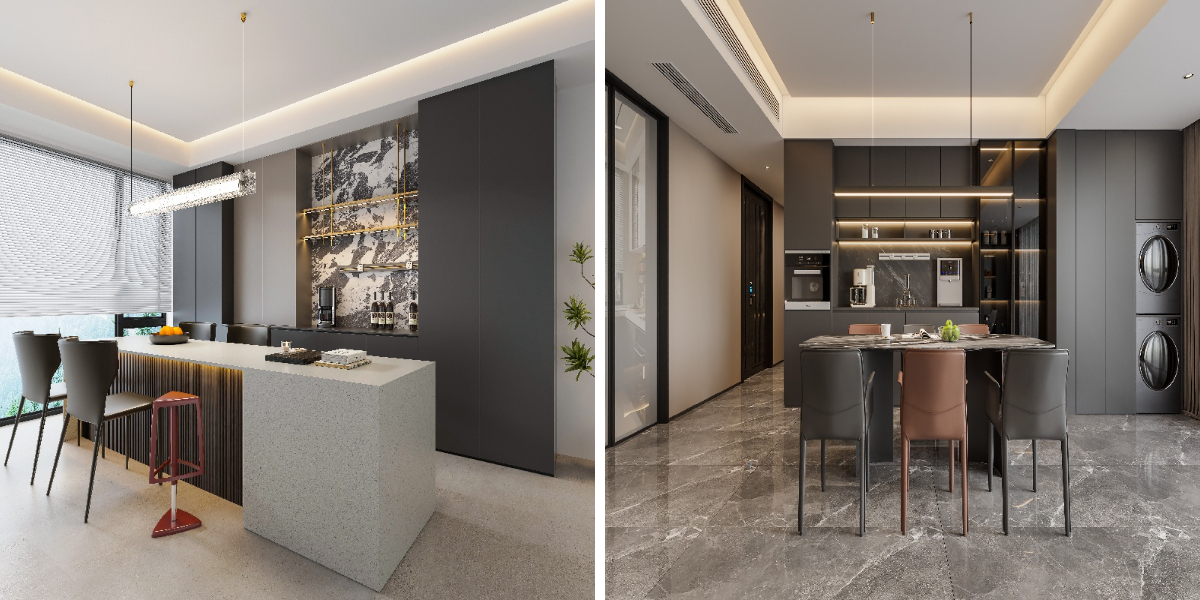
Among these interior spaces, the dining area has evolved from a formal, underused room into a central, multi-functional hub that shapes how residents live, work, and socialize. Modern tenants no longer view the dining room as a space reserved only for special occasions. Instead, they expect it to support daily meals, remote work, study, family activities, and small gatherings.
A thoughtfully planned functional dining room design directly contributes to the overall value of multifamily apartment projects. It maximizes usable space, improves daily living experience, supports higher rental pricing, reduces turnover costs, and helps properties stand out in crowded markets. This article examines the market drivers, financial benefits, design trends, technical considerations, and practical applications of functional dining room design for multifamily developments.
The Evolving Role of Dining Spaces in Multifamily Housing
Changing Lifestyles Reshape Interior Expectations
Today’s renters prioritize flexibility, storage efficiency, and aesthetic coherence. They look for spaces that adapt to different activities throughout the day. A dining table may become a workspace in the morning, a study area for children in the afternoon, and a social gathering spot in the evening. This shift has elevated the importance of functional dining room design in leasing decisions and highlights how modern dining room design directly responds to evolving daily lifestyles. As residents seek greater versatility at home, innovative dining room design has become a key differentiator in attracting and retaining tenants.
Market Data Supporting Investment in Dining Space Design
Recent industry research highlights the measurable impact of well-designed interior spaces on multifamily property performance. According to 2025–2026 reports from leading real estate analytics firms, apartments with optimized, functional dining areas experience several key advantages:
· Properties with intentional dining space design achieve rental premiums between 8% and 15% compared to units with outdated or poorly planned dining areas.
· Tenant renewal rates increase by roughly 20% in units with comfortable, practical dining and living layouts.
· Vacancy periods decrease by an average of 12% to 18% for apartments marketed with functional interior layouts, including flexible dining spaces.
· Developers report higher appraisal values and improved financing terms for projects that emphasize space-efficient, tenant-centric interior design.
These numbers demonstrate that functional dining room design is not merely a cosmetic upgrade but a strategic investment that improves long-term financial performance.
Multifamily Developers’ Shift to Space-Optimized Design
Large-scale multifamily projects, including apartment towers, townhome communities, and student housing developments, increasingly prioritize space efficiency. With construction costs and land prices rising, developers cannot afford to allocate excessive square footage to single-purpose rooms.
Functional dining room design allows projects to deliver perceived spaciousness without increasing unit sizes. By integrating storage solutions, flexible layouts, and streamlined fixtures, developers create high-value living environments that appeal to both budget-conscious renters and mid-to-high-end tenants.
Key Benefits of Functional Dining Room Design for Multifamily Projects
Maximizes Usable Space and Reduces Wasted Area
One of the most direct advantages of functional dining room design is efficient space utilization. Many older apartment designs feature cramped, awkward dining nooks or overly large formal dining rooms that feel empty and impractical. Modern functional layouts eliminate these inefficiencies.
Through built-in storage, slim-profile furniture, foldable elements, and open-concept planning, dining areas become more versatile. Even in smaller units, a well-designed dining space can feel open and organized. This optimization is especially valuable in urban markets where apartment sizes tend to be compact.
Enhances Tenant Satisfaction and Retention
Tenant retention is one of the largest cost-saving factors in multifamily management. High turnover leads to expenses related to cleaning, repairs, marketing, and leasing commissions. Units that provide genuine daily comfort encourage longer lease terms.
A functional dining area improves quality of life by supporting organization, productivity, and relaxation. Tenants are more likely to renew leases if their living spaces feel thoughtfully designed. Over time, improved retention directly increases net operating income and property value.
Supports Higher Rental Pricing and Faster Lease-Up
Properties that offer superior interior design can justify higher monthly rents. Functional dining room design serves as a visible selling point during tours and online marketing. Prospective tenants often compare layouts, storage options, and overall livability when choosing apartments.
Projects with polished, practical dining spaces typically lease faster than comparable buildings with generic interiors. In competitive rental markets, this difference can reduce holding costs and improve cash flow from the earliest stages of leasing.
Strengthens Brand Image and Market Positioning
For developers and property management companies, consistent, high-quality interior design builds a strong brand identity. Functional dining room design signals attention to detail, durability, and resident comfort. This positioning attracts reliable tenants and supports future project success.
Whether developing mid-market apartments or luxury residences, a unified approach to functional dining design creates a recognizable standard of quality. This consistency improves reputation among real estate agents, relocation services, and potential residents.
Lowers Long-Term Maintenance and Replacement Costs
Functional design for multifamily projects prioritizes durability as well as aesthetics. By selecting robust materials, reliable hardware, and easy-to-clean surfaces, developers reduce maintenance expenses over the building’s lifecycle.
Dining spaces that endure heavy daily use require materials that resist scratches, stains, and wear. Modular components and standardized fittings also simplify repairs and renovations. Lower ongoing costs improve net income and make properties more attractive to investors.
2026 Trends in Functional Dining Room Design for Multifamily Apartments
Flexible and Multi-Use Layouts
The dominant trend in 2026 is flexibility. Dining room design focuses on creating spaces that transition between multiple functions throughout the day. Expandable tables, movable seating, and modular storage allow spaces to adapt to different needs, making modern dining room design both versatile and practical.
Open-concept layouts that connect dining areas with kitchens and living rooms remain highly popular. These designs create a sense of spaciousness and improve social flow, which appeals to young professionals, families, and shared households.
Integrated Storage Solutions
Storage is a top priority for apartment dwellers. Functional dining room design increasingly includes built-in cabinets, open shelving, hidden drawers, and bench seating with internal storage. These features reduce clutter and help residents maintain organized living spaces.
Vertical storage solutions maximize wall space without occupying valuable floor area. Custom cabinetry tailored to unit dimensions ensures a clean, cohesive appearance while increasing practical value.
Space-Saving Furniture and Fixtures
Compact, slim-designed dining sets are in high demand for urban multifamily projects. Round or oval tables improve traffic flow in tight spaces, while wall-mounted folding tables provide flexibility for studios and one-bedroom units.
Bench seating replaces multiple chairs in many modern designs, offering a cleaner look and increased seating capacity. Many of these solutions are engineered specifically for the rental housing market, balancing affordability, style, and durability.
Sustainable and Low-Impact Materials
Eco-friendly design has moved from a niche preference to a mainstream requirement. Multifamily developers increasingly use sustainable materials such as CARB P2 and E1-rated engineered wood, low-VOC finishes, and recycled or FSC-certified timber.
Sustainable design appeals to environmentally conscious tenants and can improve a project’s green certification status. Durable, long-lasting materials also align with sustainability goals by reducing replacement frequency.
Warm Aesthetics and Human-Centered Lighting
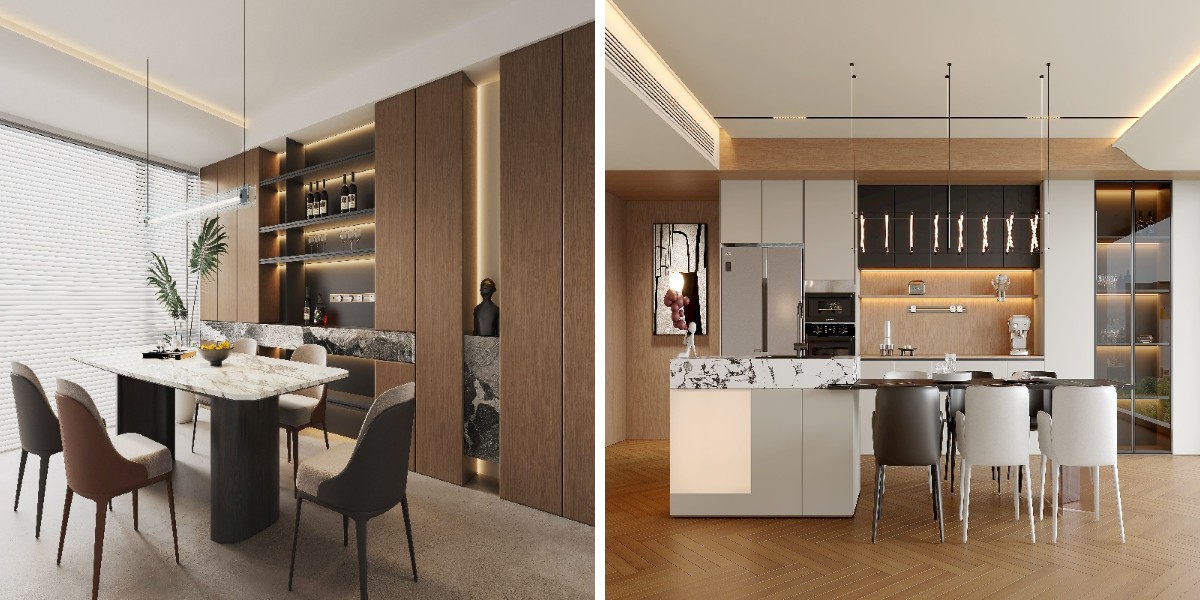
Neutral color palettes, natural textures, and warm lighting define modern dining room aesthetics. Harsh minimalist designs are being replaced by inviting, comfortable environments that feel like home.
Layered lighting, including pendant lights, ambient ceiling fixtures, and accent lighting, enhances functionality and mood. Well-lit dining areas appear more spacious and welcoming, improving the overall perception of unit quality.
Technical Considerations for Bulk Multifamily Projects
Space Planning and Circulation Standards
Successful dining room design begins with careful space planning. Standard circulation guidelines recommend at least 36 inches of clearance around dining tables to ensure comfortable movement. These measurements become even more important in repeated unit layouts.
Standardized dimensions simplify manufacturing and installation. Consistent table sizes, cabinet dimensions, and seating measurements improve efficiency in large-scale projects and reduce lead times.
Material Selection for High-Traffic Environments
In multifamily developments, dining areas experience consistent daily use. Materials must resist scratches, moisture, and fading. Popular options include engineered wood tabletops, durable laminates, quartz surfaces, and performance fabrics for seating.
Hardware such as soft-close hinges, full-extension drawer slides, and reinforced joints ensures long-term performance. These components withstand frequent use and reduce maintenance requests.
Customization vs. Standardization for Bulk Orders
Developers must balance visual appeal with cost efficiency. Fully custom dining solutions offer design flexibility but can increase costs and lead times. Semi-custom modular systems provide brand consistency while allowing minor adjustments for different unit types.
Working with manufacturers that specialize in bulk multifamily orders ensures quality control, timely delivery, and cost optimization. Reliable suppliers also provide warranty support, which reduces risk for long-term property management.
Manufacturing and Logistics for International Projects
For global developers and contractors, supply chain reliability is critical. Experienced manufacturers offer streamlined production, containerized shipping, and compliance with international safety and quality standards.
Efficient packaging, modular components, and clear installation instructions reduce on-site labor time. Projects that follow standardized design packages benefit from faster installation and fewer on-site errors.
FAQ
What budget range should be planned for functional dining room design in multifamily units?
Costs depend on unit size, material quality, and customization level. Standard mid-range designs typically range from $1,500 to $3,500 per unit. Bulk orders often reduce per-unit costs by 15% to 20%. High-end finishes and custom cabinetry may exceed $5,000 per unit but support significantly higher rental premiums.
How much additional rent can a well-designed dining area justify?
In most urban markets, apartments with optimized dining and living spaces can command 8% to 15% higher monthly rents. In luxury or highly competitive submarkets, this premium can reach 20% or more. The increased income often offsets design investments within 12 to 24 months.
What dining room styles are most popular for multifamily apartments in 2026?
The most widely adopted styles include warm minimalism, modern organic, contemporary neutral, and Scandinavian-inspired design. These styles offer timeless appeal, compatibility with various decor preferences, and broad tenant appeal. They also age well, reducing the need for frequent renovations.
How to ensure dining room designs are durable enough for rental environments?
Prioritize scratch-resistant surfaces, sturdy hardware, and easy-to-clean materials. Choose furniture and cabinetry designed for heavy daily use. Work with manufacturers that provide multi-year warranties and use commercial-grade components. Avoid overly delicate finishes that require frequent maintenance.
What storage solutions work best in small apartment dining areas?
Effective space-saving storage solutions include built-in wall cabinets, floating shelves, bench seating with internal storage, slim display cabinets, and multi-purpose sideboards. Vertical storage maximizes usable space without overcrowding the room. Foldable or extendable furniture also adds flexibility without permanent bulk.
Conclusion
Functional dining room design has become a critical value driver in modern multifamily apartment projects. Beyond aesthetic improvement, it enhances space efficiency, tenant satisfaction, rental pricing, retention rates, and long-term property value. As living habits continue to evolve, flexible, practical interior spaces will remain a top priority for renters worldwide.
For developers, contractors, and investors, the decision to prioritize functional dining room design represents a strategic investment in market competitiveness. By combining thoughtful layouts, durable materials, integrated storage, and scalable manufacturing, multifamily projects can achieve stronger financial performance and greater resident satisfaction.
In an industry where small improvements lead to significant long-term gains, functional dining room design stands out as a reliable way to increase ROI, reduce turnover, and build a strong brand presence in global real estate markets.