2026 Kitchen Cabinet Trends: Dark Wood & Textures
Discover the top 2026 design shifts in kitchen cabinets. Explore how dark wood grains and tactile textures are redefining luxury architectural interiors.
The global architectural millwork and interior design sectors are undergoing a profound paradigm shift as we navigate through 2026. Kitchen design, long dominated by clinical minimalism and sterile high-gloss surfaces, is experiencing a warm, sensorial renaissance. At the vanguard of this evolution are dark wood and textured kitchen cabinets, capturing the attention of high-end residential developers, international interior architects, and discerning property owners alike.
As living spaces increasingly double as psychological sanctuaries, the demand for materiality that engages both sight and touch has surged. This comprehensive market and design analysis explores the foundational shifts driving the specification of moody timber finishes and dimensional cabinetry surfaces in contemporary luxury residences.
The Evolution of Spatial Mood: Moving Beyond Stark Minimalism
For over a decade, the global kitchen landscape favored ultra-bright, monochromatic palettes. White and light gray schemes reigned supreme, championed for their ability to maximize perceived square footage. However, this aesthetic has matured. Modern homeowners and global developers are pivoting toward environments that cultivate emotional grounding, intimacy, and grounded luxury.
The Psychological Shift Toward Cocooning Interiors
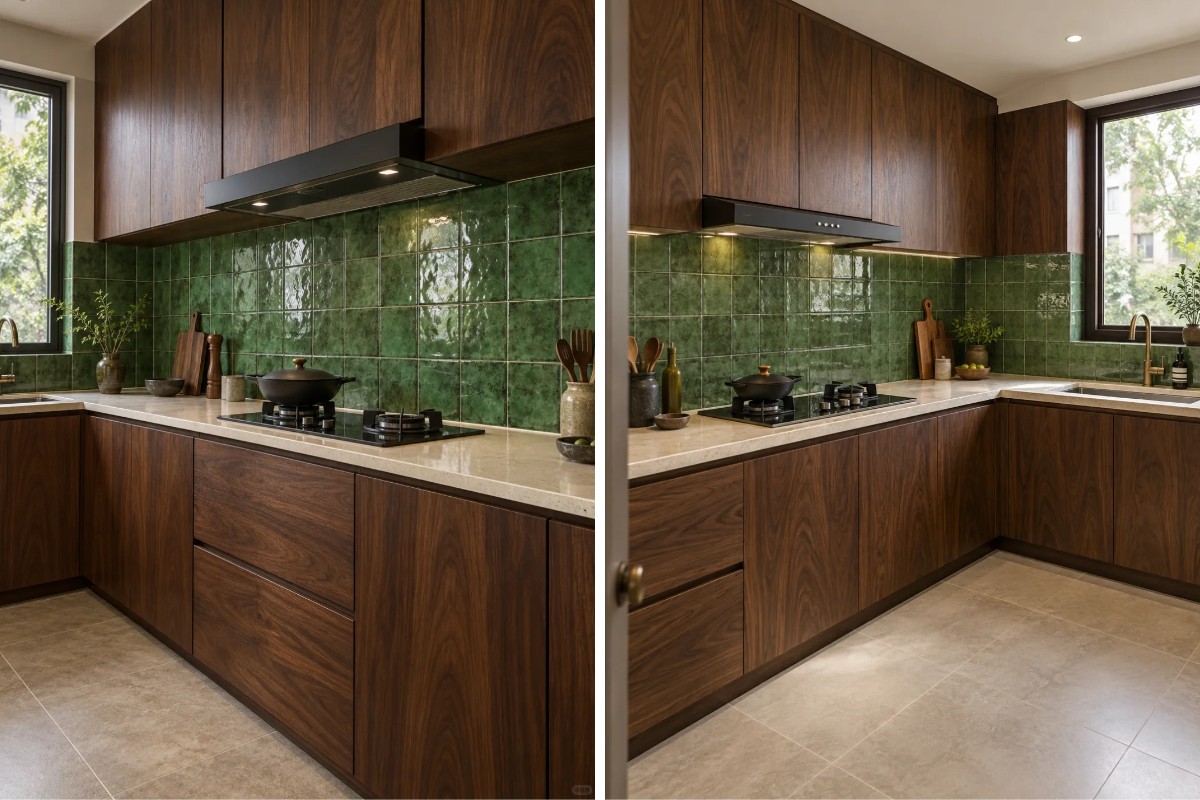
Contemporary residential architecture is heavily influenced by the concept of "cocooning"—creating protective, deeply personalized interior spaces that shield occupants from external sensory overload. Dark wood finishes, ranging from deeply charred oak to smoked walnut, absorb rather than reflect light, engendering an atmosphere of quiet exclusivity.
Redefining Spatial Depth Through Contrast
Rather than darkening a room oppressively, modern dark cabinetry serves as an architectural anchor. When paired with luminous natural stone countertops and brushed brass or matte black hardware, deep timber tones create a sophisticated chiaroscuro effect. This interplay of light and shadow introduces a layer of architectural drama previously reserved for high-end hospitality design.
Materiality and Engineering: The Rise of Tactile Surfaces
The second major shift defining 2026 kitchen design is the elevation of touch. Flat, uniform surfaces are being actively replaced by dimensional profiles that invite physical interaction. This is where advanced manufacturing meets organic expression.
Fluted Profiles and Linear Grids
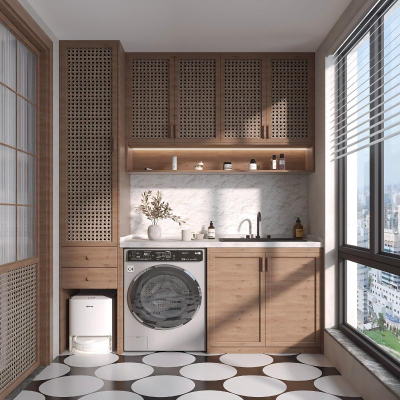
The specification of vertical fluting and reeded wood panels has transitioned from a niche decorative accent to a mainstream luxury standard. These geometric rhythms break up monolithic runs of cabinetry, introducing shadow lines that shift dynamically throughout the day as natural sunlight moves across the interior.
Honed, Brushed, and Wire-Brushed Finishes
Surface treatment has become just as critical as the choice of timber itself. Wire-brushing techniques strip away softer spring growth rings, leaving behind a raised, tactile grain structure. This process celebrates the authentic imperfections of natural wood, ensuring that no two custom kitchen cabinets installations are entirely identical.
Engineering Resilience: Substrates, Durability, and Precision
While aesthetic allure drives initial interest, the longevity of luxury millwork depends entirely on underlying engineering. Integrating dark wood veneers and complex textures into high-moisture, high-traffic culinary zones requires uncompromising technical execution.
The Imperative of Dimensional Stability
Dark woods, particularly when stained or thermally modified, absorb ambient heat differently than lighter species. Consequently, leading global manufacturers rely on multi-layered plywood core cabinetry rather than standard particle board. This cross-laminated construction prevents warping, ensures structural rigidity across floor-to-ceiling elevations, and maintains tight tolerances for integrated appliances.
Precision CNC Machining and Edge-Banding
Achieving seamless integration in modern kitchen layouts demands sub-millimeter precision. Advanced CNC machining centers and laser edge-banding technologies allow grain patterns to flow continuously across multiple drawer fronts and door panels. This meticulous book-matching creates an unbroken visual narrative, elevating functional storage into high art.
Color Psychology and Tonal Integration in Luxury Spaces
Working with dark timber requires a nuanced understanding of color theory and spatial proportions. The 2026 design language avoids flat black in favor of complex, undertoned dark woods that reveal their true character under specialized lighting.
Deep Walnut, Smoked Oak, and Ebonized Ash
Smoked Walnut: Offers rich chocolate undertones with golden medullary rays, exuding timeless mid-century and transitional elegance.
Charcoal Oak: Balances industrial grit with organic warmth, making it the preferred choice for urban penthouses and architectural villas.
Ebonized Ash: Features a striking, open-grain cathedral pattern that delivers high contrast and dramatic architectural weight.
Layering Ambient and Task Lighting
Because dark cabinetry absorbs light, illumination planning is critical. Integrating vertical LED strip lighting within interior glass-front display cases and under-cabinet channels ensures that the tactile grain of the wood is artfully accentuated without creating harsh glares.
Sourcing and Specification: Meeting Global B2B Standards
For international real estate developers, interior designers, and wholesale importers, navigating the 2026 design shift requires strategic supplier partnerships. The demand for bespoke, eco-friendly materials means that supply chains must be both agile and environmentally certified.
Sustainable Forestry and E0-Grade Substrates
Global regulatory frameworks increasingly demand transparency regarding wood sourcing. Leading manufacturers utilize FSC-certified timber and ultra-low emission bonding agents, ensuring that luxury aesthetics do not compromise indoor air quality or ecological sustainability.
Comprehensive Interior Coordination
A successful modern kitchen rarely exists in isolation. The current design trend emphasizes total spatial continuity—matching the finish of the kitchen island and perimeter wall units with interior doors and architectural wall paneling. Specifying a unified material palette across these touchpoints ensures a cohesive, high-end visual standard that significantly enhances property valuation.
Conclusion: The Defining Aesthetic of Modern Living
As the interior design landscape continues to evolve through 2026, the convergence of moody timber aesthetics and tactile engineering represents a permanent maturation in how we inhabit our homes. By embracing the depth, warmth, and organic sophistication of dark wood and textured surfaces, architects and designers are crafting culinary spaces that transcend temporary fads—delivering enduring luxury, emotional resonance, and uncompromising structural integrity for the years ahead.