2026 Strategic Guide: Sourcing Modern Cabinetry for Large-Scale Projects
The 2026 Strategic Guide to Sourcing Modern Cabinetry Systems for Large-Scale Apartment & Hospitality Projects
The 2026 Strategic Guide to Sourcing Modern Cabinetry Systems for Large-Scale Apartment & Hospitality Projects
1.Introduction: The New Era of Global Interior Fit-outs
As we navigate through 2026, the intersection of architectural innovation and supply chain efficiency has become the defining factor for successful real estate development. For procurement managers and project leads in the multi-family residential and hospitality sectors, sourcing modern cabinetry systems is no longer just a transaction; it is a critical strategic component. With global market volatility and evolving building codes, the ability to secure high-performance, cost-effective cabinetry solutions determines the viability of large-scale interior fit-out projects.
2. Market Landscape: Data-Driven Procurement Trends in 2026
The global market for commercial cabinetry is undergoing a paradigm shift. Recent data indicates a 12% year-on-year increase in demand for standardized, modular interior components, driven by the need to compress project timelines. Procurement managers are increasingly moving away from local, fragmented craft-based production toward integrated, factory-direct contract manufacturing partnerships.
This transition is not merely cost-driven. It is a response to the demand for superior quality control and regulatory compliance. Whether it is an upscale hotel refurbishment or a high-density apartment complex, the emphasis is now on “total cost of ownership”—a metric that balances initial procurement costs against durability, installation ease, and maintenance requirements.
3. Defining Standards: Why "Contract-Grade" Matters
For large-scale developments, residential-grade products are insufficient. Contract-grade cabinetry is engineered for high-frequency daily usage, meeting stringent commercial standards for load-bearing and chemical resistance.
Structural Integrity: Modern systems must feature advanced carcass construction, often utilizing moisture-resistant substrates that maintain structural integrity under fluctuating climate conditions.
Hardware Performance: In the hospitality sector, hinges and drawer slides are tested for up to 100,000 cycles, ensuring consistent performance over years of guest turnover.
Environmental Compliance: As 2026 building codes tighten worldwide, sourcing materials that meet CARB P2 or E0/E1 emission standards is not optional—it is a legal necessity for project clearance.
4. Technical Deep Dive: Engineered for Large-Scale Precision
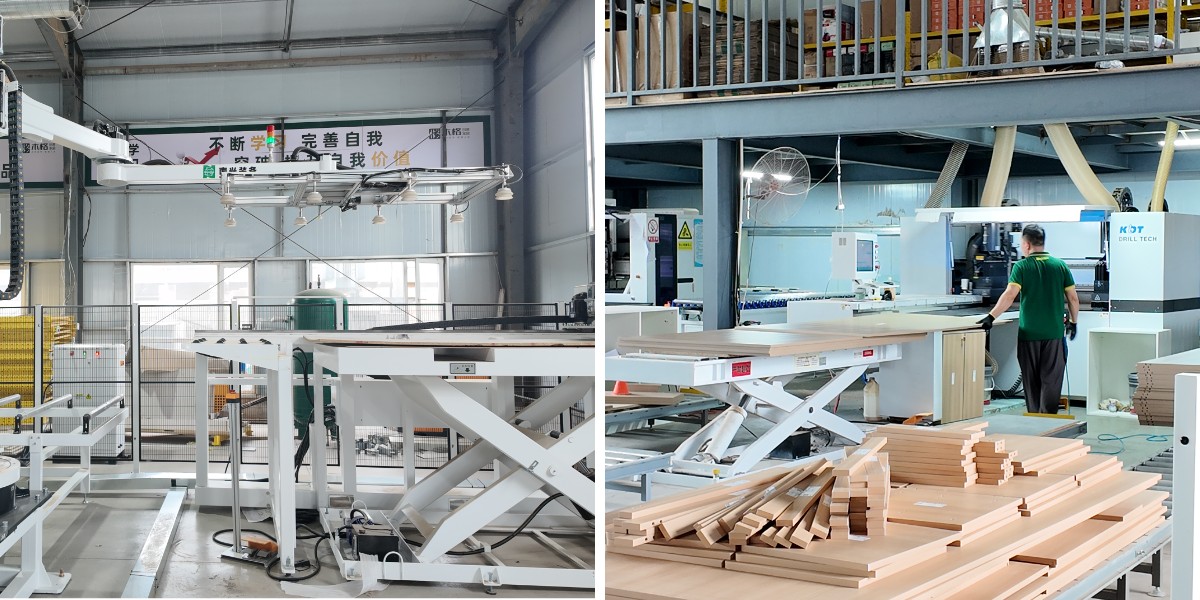
What separates a top-tier supplier from a generic one is the technical precision in their manufacturing process. Advanced CNC manufacturing is the backbone of modern cabinetry systems.
When you engage with a professional factory, your specifications are translated into digital twin models. This process ensures that every cabinet unit—from the precision-drilled dowel holes to the edge-banding thickness—is manufactured to a tolerance of less than 0.5mm. For a project involving 500+ apartment units, this level of precision ensures that installation teams face zero on-site modifications, significantly reducing labor costs and timeline risks.
5. Strategic Procurement: Navigating the B2B Supply Chain
A successful supply chain partnership involves more than just price negotiation. It requires a clear understanding of the project's lifecycle:
Shop Drawing Collaboration: The best factories provide detailed CAD/BIM support to resolve spatial conflicts before production begins.
Export-Grade Packaging: Protecting the finish and edges during transit is a major pain point. Procurement managers should prioritize suppliers with certified crating protocols to ensure units arrive in pristine condition.
Scalable Logistics: From palletized shipping to container optimization, the logistics strategy must align with the site's delivery schedule to minimize storage and handling onsite.
6. Application & Integration: Meeting Architectural Visions
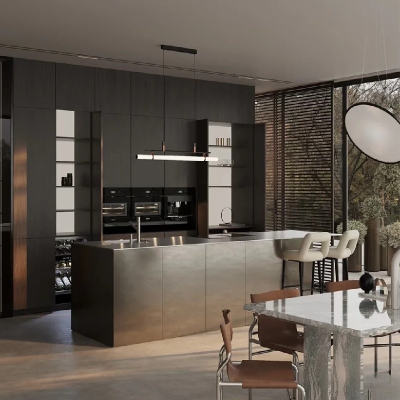
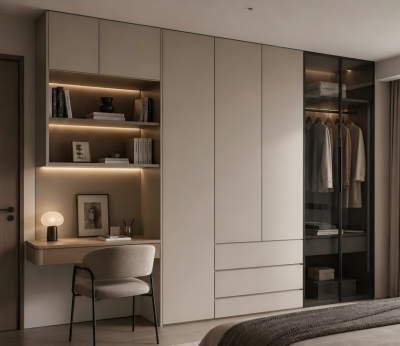
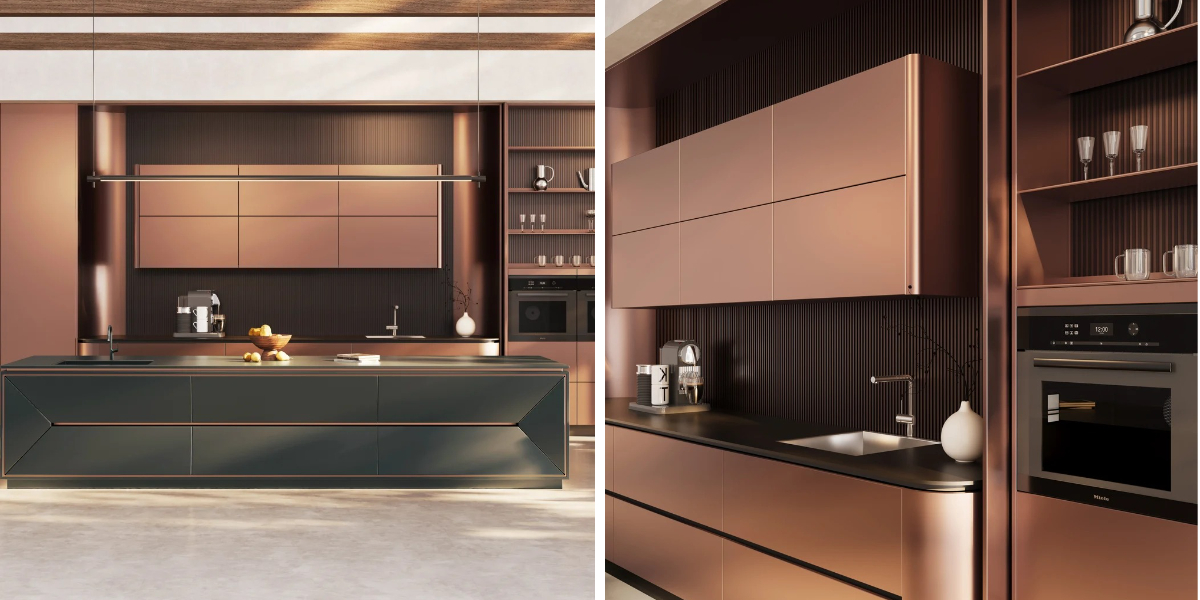
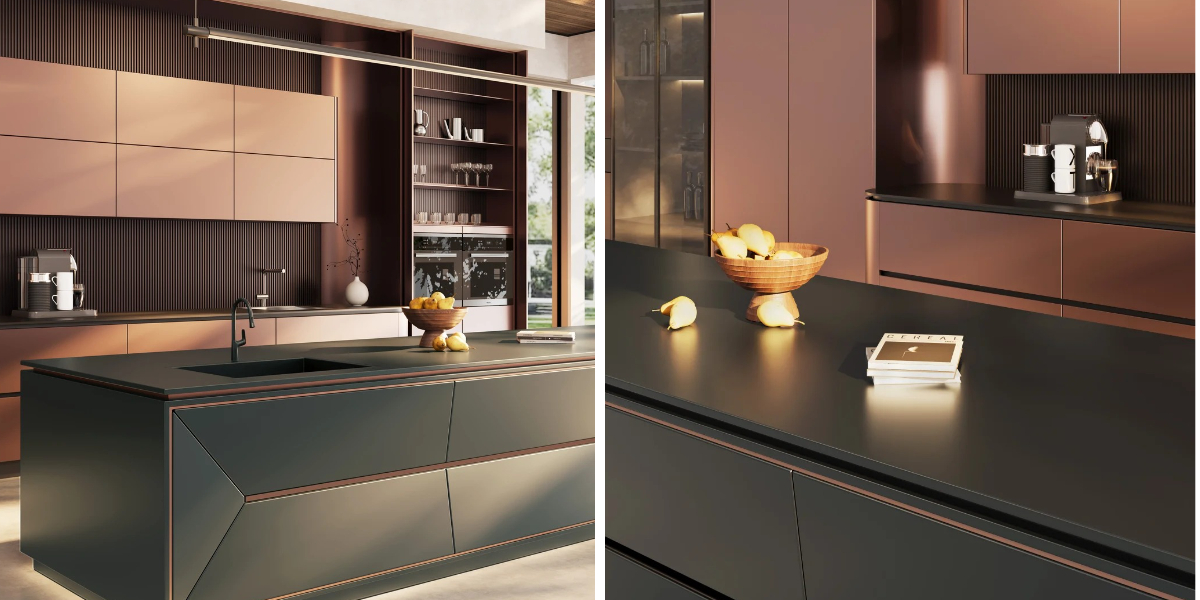
The flexibility of modular kitchen designs has evolved. Today's cabinetry systems can be customized to suit specific interior aesthetics—ranging from minimalist handle-less kitchens to bespoke hospitality casegoods—without sacrificing the benefits of standardized mass production. This "mass customization" model is the secret to delivering high-end projects on an accelerated schedule.
B2B Frequently Asked Questions (FAQ)
Q1: How do modern cabinetry systems reduce site labor costs?A: By utilizing pre-assembled modular units manufactured through precise CNC workflows, site installation time is reduced by up to 40% compared to traditional, on-site joinery. This eliminates the need for expensive skilled labor on the project site.
Q2: How can I verify that the cabinetry meets international quality standards?A: A reliable contract manufacturer will provide third-party test reports (such as SGS or Intertek) covering material emission tests, hardware cycle life, and structural load-bearing capacity. Always ask for these specific project-related certifications during the inquiry phase.
Q3: What should be included in a project specification for a cabinetry quotation?A: To receive an accurate quote, include floor plans, elevation drawings, material preferences (e.g., melamine, lacquer, veneer), hardware brand requirements, and your project's target delivery timeline.
Conclusion: Partnering for Project Excellence
Selecting the right cabinetry partner is the most critical decision in your interior procurement process. By focusing on technical specifications, manufacturing precision, and proven supply chain reliability, you ensure the long-term success of your development.
Are you managing an apartment or hospitality project? We offer professional technical consultation and factory-direct solutions tailored to your unique specifications.