Aluminum Frame Glass Doors for Wardrobes: Durability Guide
Comprehensive B2B durability guide for aluminum frame glass doors for wardrobes. Explore market trends, material engineering, technical specs, and sourcing insights.
Introduction: The Evolution of Modern Wardrobe Architecture
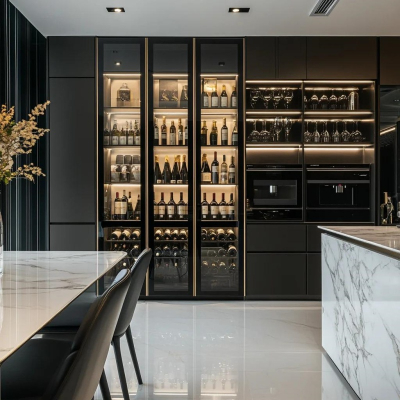
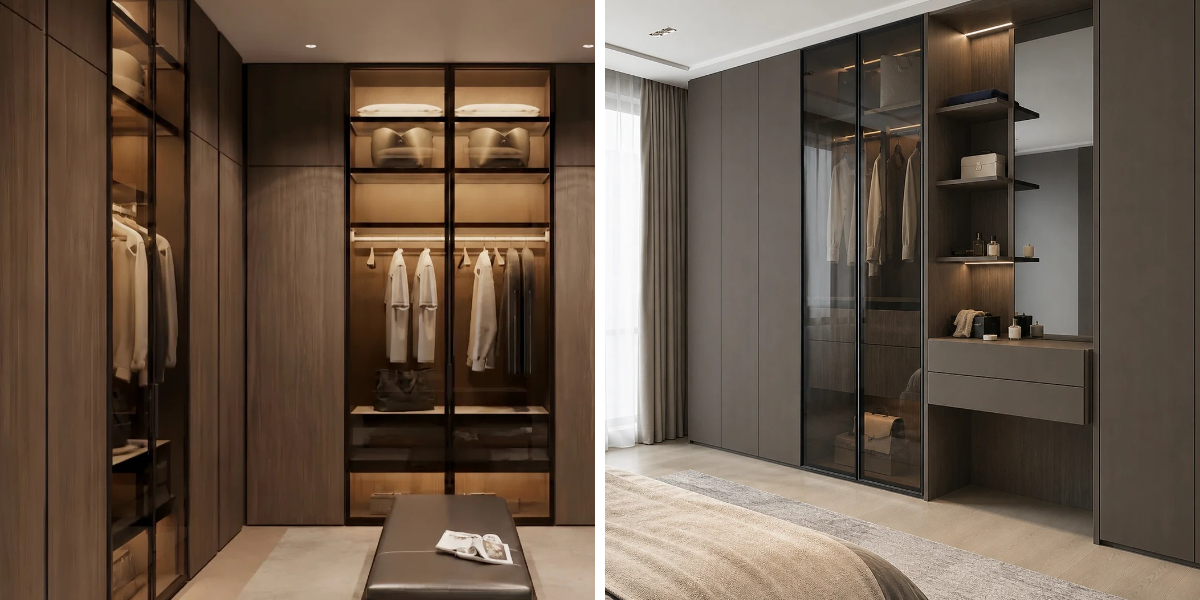
In contemporary interior architecture and high-end residential developments, the demands placed on architectural hardware and custom cabinetry have shifted dramatically. Designers, project developers, and international B2B importers are continuously seeking materials that harmonize structural longevity with uncompromising aesthetic transparency. Among these innovations, aluminum frame glass doors for wardrobes have emerged as the definitive benchmark for luxury residential, hospitality, and multi-unit real estate projects.
Moving away from traditional, heavy wooden slabs that are prone to warping, moisture expansion, and mechanical sagging, modern wardrobe design relies on engineered metal-and-glass systems. These assemblies offer an optimal strength-to-weight ratio, slim sightlines, and superior resistance to environmental stressors. For global trade buyers, commercial contractors, and furniture brands, understanding the structural engineering, durability factors, and quality metrics behind these systems is essential for mitigating project risks and delivering exceptional value to end clients.
Global Market Dynamics & Industry Trends
The global market for custom wardrobes and architectural glass-door systems has experienced sustained, robust growth over recent years. Driven by the expansion of urban real estate developments, luxury hospitality renovations, and the rise of minimalist interior trends, demand for sleek, modular storage solutions has surged.
Market intelligence reports indicate that commercial and residential buyers increasingly favor systems that maximize interior light transmission while offering structural stability across large spans. Traditional wood-based doors often struggle in humid climates, frequently resulting in post-installation warping and alignment failures. In contrast, durable wardrobe glass doors utilizing extruded metal profiles withstand climatic variations with minimal thermal expansion or contraction.
Furthermore, international building regulations and consumer preferences are steering supply chains toward eco-friendly, recyclable materials. Aluminum is infinitely recyclable without loss of mechanical integrity, making it a preferred choice for green-building certifications such as LEED. As global importers look to source high-performance components, aligning with manufacturing hubs that leverage advanced domestic intelligent production lines ensures consistent quality, precise dimensional tolerances, and competitive cost structures.
Core Technical Parameters & Material Engineering
To evaluate the long-term viability of aluminum frame glass doors for wardrobes, procurement specialists and project engineers must analyze several critical technical specifications. Durability is not merely a function of appearance; it is the direct result of metallurgy, glass processing chemistry, and mechanical engineering.
1. Extruded Aluminum Profiles & Alloy Grades
The structural backbone of any glass wardrobe door is its frame. High-end manufacturers utilize high-purity architectural aluminum alloys, predominantly Alloy 6063-T5 or 6063-T6.
Tensile Strength: Typically yielding a tensile strength exceeding 160 MPa, ensuring resistance against bending forces during sliding or swinging operations.
Wall Thickness: Optimal structural rigidity requires a profile wall thickness ranging from 1.2mm to 2.0mm, preventing torsion under heavy glass loads.
Surface Treatments: To resist corrosion, oxidation, and surface scratching, profiles undergo advanced treatments such as anodic oxidation (achieving a coating thickness of 10 to 25 microns) or electrostatic powder coating using weather-resistant architectural resins.
2. Safety Glass Specifications
The infill panel accounts for the majority of the door's surface area, making glass selection paramount for impact resistance and safety.
Tempered (Toughened) Safety Glass: Processed through thermal quenching, tempered glass possesses 4 to 5 times the mechanical impact resistance of standard annealed glass. If fractured, it crumbles into small, blunt granules rather than sharp shards.
Laminated Glass: Comprising two or more glass plies bonded with a resilient interlayer (such as PVB or SGP), laminated configurations offer superior acoustic insulation and security. Even when cracked, the interlayer retains the structural shards within the frame.
Thickness Range: Standard wardrobe applications utilize glass thicknesses between 5mm and 8mm, balancing structural weight against smooth operational kinematics.
Structural Anatomy & Engineering Mechanics
A premium wardrobe door system is a complex assembly of interlocking components designed to perform under millions of operational cycles. Understanding the anatomy of these systems helps B2B buyers identify inferior products prone to premature mechanical failure.
The Frame-to-Glass Interface
The intersection between the aluminum extrusion and the glass panel is a frequent point of failure if engineered incorrectly. High-quality systems employ specialized elastomeric EPDM rubber gaskets or structural silicone seals. These elements absorb vibrational energy from sliding impacts, prevent moisture ingress, and securely cushion the glass against thermal shifting.
Corner Joints and Hardware Integration
Unlike welded steel frames, aluminum architectural frames rely on precision-mitered corners connected via heavy-duty die-cast zinc or aluminum corner cleats, secured with high-tensile locking screws. This configuration guarantees frame squareness and prevents sagging over years of heavy daily use. Furthermore, internal channels must be engineered to seamlessly accept high-performance soft-close damping mechanisms, concealed hinges, and precision-bearing roller assemblies without requiring visible external fasteners.
Manufacturing Processes & Quality Control Protocols
The transition from raw aluminum billet to a finished architectural wardrobe door involves a rigorous, multi-stage production sequence. Ensuring structural reliability requires stringent quality control at every phase of the manufacturing workflow.
1.Extrusion and Thermal Treatment: Raw aluminum is forced through custom dies under extreme pressure to form precise profiles, followed by quenching and aging processes to lock in mechanical hardness.
2.Precision CNC Machining: Automated CNC cutting and milling centers execute exact miter cuts, hinge pocket routings, and fastener pre-drilling with micron-level accuracy, eliminating human error.
3.Surface Finishing Line: Profiles undergo automated multi-tank chemical degreasing, etching, and conversion coating before receiving an even layer of anodic color or powder coating, followed by thermal curing.
4.Glass Processing and Inspection: Glass panels are cut, edge-polished, washed, tempered in high-temperature furnaces, and subjected to optical inspections to eliminate surface inclusions, bubbles, or warp distortion.
5.Pre-Assembly and Stress Testing: Sample batches undergo cycle testing, salt spray corrosion testing for surface finishes, and drop-impact assessments to verify compliance with international standards before mass packaging.
International Buyer Sourcing Preferences & Procurement Pain Points
Global importers, property developers, and wholesale distributors face distinct challenges when sourcing custom architectural hardware across international borders. Recognizing these operational hurdles is key to building successful, long-term manufacturing partnerships.
1. Transport Vulnerability and Packaging Integrity
Glass-and-metal assemblies are inherently vulnerable during maritime transit and inland logistics. Inferior packaging often leads to edge chipping, frame scratching, or glass breakage upon arrival. Professional exporters utilize reinforced honeycomb carton boxes, custom EPE foam protective corner guards, and fumigation-free wooden crates designed to withstand multi-modal shipping conditions.
2. Dimensional Accuracy and Customization Flexibility
B2B clients rarely operate on standard, cookie-cutter dimensions. Architectural projects feature unique ceiling heights, irregular alcoves, and varying weight capacities. Sourcing partners must offer robust custom configuration capabilities, precise shop-drawing approvals prior to production, and modular adaptability to ensure zero wastage on site.
3. Hardware Longevity and Maintenance Costs
End-users judge wardrobe quality by how smoothly the doors glide and how quietly they close. Low-grade rollers or uncertified damping pistons fail rapidly under continuous commercial use, resulting in costly warranty claims and reputational damage for the distributor. Sourcing components with certified cycle-life testing (such as 100,000+ open-close cycles) is non-negotiable for professional buyers.
Frequently Asked Questions (FAQ)
Q1: What makes aluminum frame glass doors superior to traditional solid wood wardrobe doors in commercial and residential projects?
A: Aluminum frames provide exceptional dimensional stability, preventing the warping, twisting, and moisture expansion commonly associated with solid wood. They feature slim sightlines that maximize interior glass transparency, support heavier spans without sagging, offer infinite recycling potential, and maintain consistent mechanical performance across varied climatic environments.
Q2: What glass thickness and safety specifications should B2B buyers look for?
A: For standard wardrobe applications, 5mm to 8mm tempered safety glass or laminated glass is recommended. Tempered glass provides high impact resistance and shatters into safe, blunt granules, while laminated options offer enhanced acoustic dampening and structural integrity. Always ensure that glass panels comply with international safety standards such as ANSI Z97.1 or EN 12150.
Q3: How do manufacturers prevent structural sagging on oversized sliding wardrobe doors?
A: Manufacturers prevent sagging by engineering high-modulus extruded aluminum profiles with reinforced internal ribbing, maintaining optimal wall thicknesses (1.2mm to 2.0mm), and utilizing heavy-duty top-hung or bottom-rolling hardware systems equipped with precision ball bearings to distribute weight evenly.
Q4: What surface finish options are available for aluminum frames, and how do they resist corrosion?
A: Common finishes include anodic oxidation (offering a metallic, scratch-resistant oxide layer) and electrostatic powder coating using architectural-grade polyester resins. These treatments seal the aluminum substrate against moisture, chemical exposure, and UV degradation, ensuring long-term color stability and corrosion resistance.
Conclusion & Professional Call to Action
Sourcing reliable, high-performance architectural components is critical to the success of your commercial developments, hospitality spaces, or custom interior product lines. Aluminum frame glass doors for wardrobes represent the pinnacle of modern functional aesthetics, offering unmatched durability, sleek architectural lines, and long-term structural reliability.
Partnering with an experienced, quality-driven manufacturer ensures your projects benefit from advanced production standards, strict quality control, and tailored engineering support. Contact our technical sales team today to request comprehensive product catalogs, detailed technical data sheets, project case studies, or physical material samples to evaluate our craftsmanship firsthand.