Custom Architectural Millwork: How to Source Directly from Manufacturers
Master custom architectural millwork sourcing. Learn how to order custom kitchen cabinets directly from expert manufacturers.
The New Standard in High-End Interior Architecture
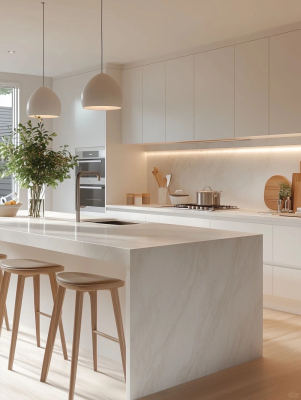
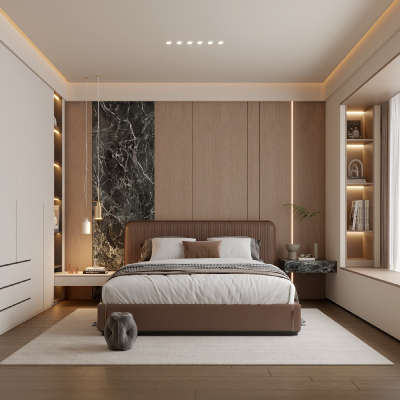
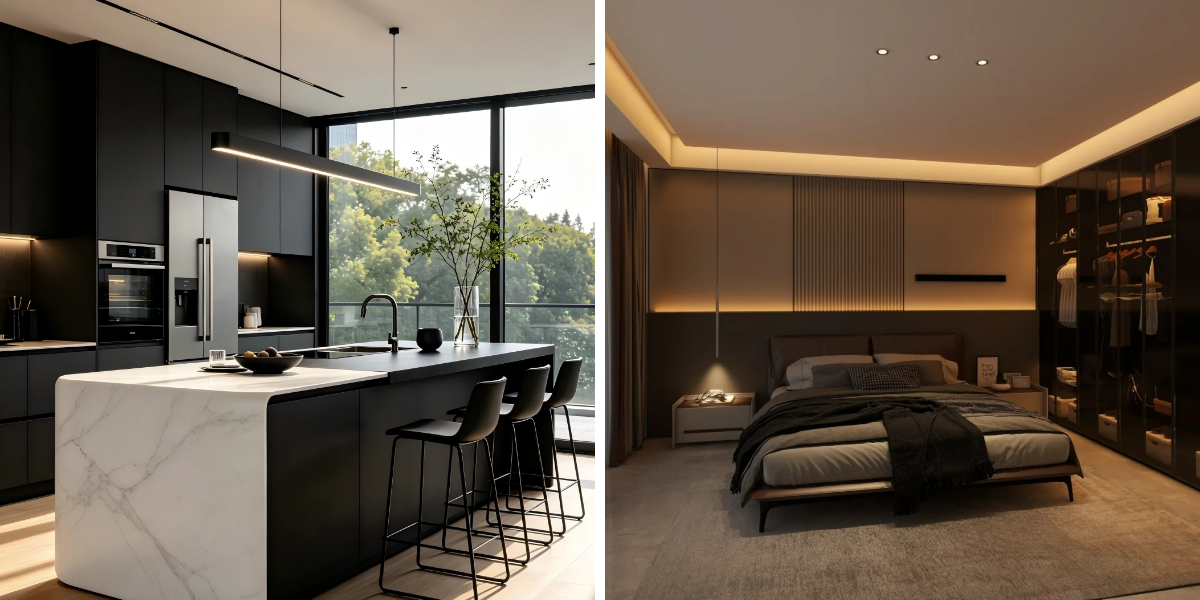
In the landscape of modern luxury interior design, the distinction between a standard home and a high-end masterpiece often lies in the details. Custom architectural millwork—the bespoke woodwork that defines a room’s character—has transitioned from a decorative luxury to an essential functional component of luxury residential and commercial fit-outs. From floor-to-ceiling feature walls and acoustic fluted panels to specialized custom kitchen cabinets, professional woodwork transforms empty space into sophisticated, functional art.
For international procurement managers, real estate developers, and general contractors, the ability to source this millwork directly from professional manufacturers is more than a cost-saving measure; it is a strategic advantage. It allows for complete design freedom, material integrity, and control over production timelines. This comprehensive guide details the essential strategies for navigating the international sourcing landscape to partner with expert manufacturers successfully.
Why Direct Sourcing Defines Project Success
While localized interior fit-out firms offer convenience, direct collaboration with specialized export manufacturers provides three distinct competitive advantages:
1. Unmatched Design Versatility
Architects often conceive complex geometries that standard, mass-produced casework cannot accommodate. Professional export manufacturers utilize advanced, multi-axis CNC technology and 3D design software to interpret these complex visions, ensuring that intricate miter joints, unconventional radii, and bespoke fluting patterns are executed with sub-millimeter precision.
2. Engineering-Led Production
Direct sourcing allows for a collaborative engineering process. By engaging with factory technical teams early in the design development phase, project managers can resolve installation conflicts, ensure hardware compatibility, and optimize material usage before a single panel is machined.
3. Cost-Effective Scaling
For multi-unit luxury villa developments or large-scale commercial fit-outs, direct manufacturing eliminates the markup of multiple middlemen. This enables budget allocation toward higher-grade materials, such as premium sustainable veneers, top-tier mechanical hardware, and advanced surface finishes.
Navigating the Sourcing Workflow: A Step-by-Step Guide
Successfully sourcing custom millwork requires a professional workflow designed to eliminate communication gaps and production errors.
Phase 1: Technical Coordination and Shop Drawings
The most critical stage of the procurement process is the translation of architectural intent into actionable shop drawings.
The Process: Suppliers should review your CAD or BIM files and return comprehensive shop drawings within 24–48 hours.
The Goal: These drawings serve as the "source of truth." They detail dimensions, hardware mounting points, grain matching direction, and edge treatment specifications. Approving these drawings is the formal green light for the manufacturing phase.
Phase 2: Strategic Material Selection
The durability of millwork is entirely dependent on the quality of its core substrate.
Engineered Stability: For expansive wall systems, request E0 or ENF certified high-density MDF or cross-grained structural plywood. These materials are engineered to resist the expansion and contraction that often causes warping in solid wood over time.
Environmental Resilience: In kitchens, bathrooms, or tropical climate projects, ensure the manufacturer specifies PUR (Polyurethane) waterproof edge banding, which provides a virtually impenetrable barrier against ambient moisture.
Phase 3: Manufacturing Quality Control
A professional export manufacturer operates with institutionalized quality control (QC).
Pre-Assembly Dry-Fit: Before crating, every complex unit—such as integrated island cabinets or hidden wall panels—should be pre-assembled in the factory. This confirms that all mechanical alignments are correct, drawer slides operate smoothly, and the visual flow of wood grain remains consistent across panel breaks.
Surface Coating Precision: Whether applying high-gloss lacquer, UV-cured polyurethane, or architectural veneers, ensure the supplier utilizes dust-free painting chambers to guarantee a glass-like finish on all exposed surfaces.
Overcoming Global Procurement Bottlenecks
Even with experienced manufacturers, international procurement can face logistical challenges. Proactive planning is the best strategy.
Bottleneck: On-Site Installation Challenges
Solution: Modern wardrobes and built-in furniture should be designed for modularity. Request that your manufacturer includes adjustable mounting brackets and detailed, site-specific installation manuals. This allows your local construction crews to achieve professional results with minimal on-site cutting or adjustment.
Bottleneck: Hardware Reliability
Solution: Never compromise on mechanical hardware. Specify the use of globally recognized brands such as Blum or Hafele. Professional export manufacturers maintain long-term partnerships with these suppliers and can integrate their components into your cabinetry package at scale, ensuring your millwork functions flawlessly for decades.
Bottleneck: Transit Damage
Solution: Ensure your supplier follows a standardized export-grade crating protocol: moisture-barrier shrink wrapping, high-density EPE foam corner protection, and fumigation-free wooden crating. This protects your investment from both physical impact and humidity changes during transit.
Conclusion: Building a Lasting Partnership
Custom architectural millwork is the soul of a luxury interior. By choosing to source directly from professional manufacturers, you regain control over the quality, aesthetics, and economic parameters of your projects. The key to this success lies in the partnership—finding a factory that does not just "build to order," but acts as a technical extension of your design and project management team.
With clear communication, a focus on material science, and a structured approach to quality assurance, procurement professionals can reliably deliver world-class custom cabinetry that elevates any residential or commercial environment.
Frequently Asked Questions (FAQ)
Q1: What is the standard timeline for custom millwork procurement?
Answer: Following shop drawing approval, production typically takes 25–35 business days. Factoring in maritime shipping, project managers should plan for a total window of 8–10 weeks from final design approval to arrival at the site.
Q2: How can I verify the quality of a manufacturer before placing a large order?
Answer: Start by requesting a digital portfolio of previous projects, material technical data sheets (TDS), and environmental certifications . Additionally, professional manufacturers will provide a small, physical sample kit of their finishes and substrate quality for your review.
Q3: How do I handle site dimensions that are not exactly as planned?
Answer: Professional manufacturers provide "oversize" or "filler" panels to account for minor site discrepancies. During the shop drawing phase, it is vital to communicate whether your site dimensions are "tight" or "nominal" so the factory can engineer these margins into the design.
Q4: Are there specific installation requirements I should share with my crew?
Answer: Yes. We provide pre-drilled pilot guides and modular assembly schematics that simplify installation. We recommend that contractors review these documents 2 weeks prior to the shipment arrival to prepare the necessary tools and mounting hardware.