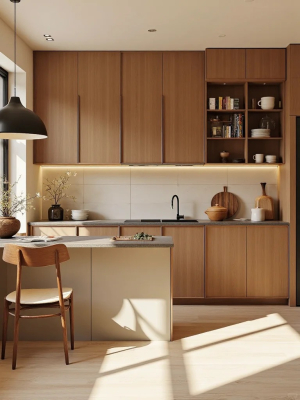
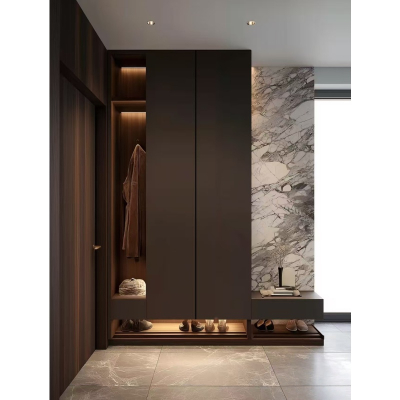
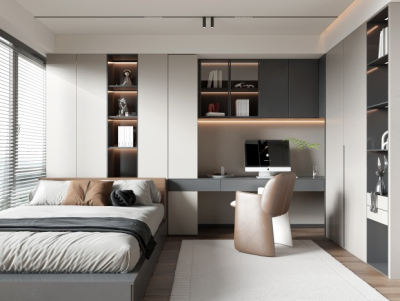
Durable & Stylish Wooden Wardrobe For Bedroom Furniture: A Timeless Choice For Modern Homes
As global demand for high-quality bedroom furniture grows, durability, style and functionality have become key factors for brands and distributors. Homeowners from city apartments to suburban houses want storage solutions that are practical and improve their living space aesthetics. For international buyers, the main question is: in a market full of synthetic products, do durable & stylish wooden wardrobes perform better than composite or metal ones? This analysis compares performance, cost, production and market trends to help brands make better OEM decisions.
Global Market Background: The Evolution of Bedroom Storage Furniture
The global bedroom furniture market has maintained steady growth, supported by:
· Rising urbanization and demand for space-efficient home solutions
· Growth of premium, sustainable interior design trends
· Expansion of eco-conscious consumer preferences
· Increasing focus on long-term investment in home furnishings
Today’s buyers no longer settle for basic storage alone; they expect furniture that combines robust construction, timeless design, and environmental responsibility. As a result, brands are reassessing their product mix between mass-produced composite wardrobes and handcrafted wooden alternatives.
According to a 2024 report by Grand View Research, the global bedroom furniture market is projected to reach $89.2 billion by 2030, with a CAGR of 5.8% from 2024 to 2030. This growth is driven by a shift toward premium, durable furniture, as post-pandemic homeowners prioritize investing in pieces that will stand the test of time. Wooden wardrobes, in particular, are gaining traction due to their ability to blend traditional craftsmanship with modern functionality, making them a staple in both contemporary and classic interior design schemes.
Traditional Wooden Wardrobes: Proven Durability & Timeless Style Core Technology Behind Wooden Wardrobes
Wooden wardrobes rely on time-tested craftsmanship and natural material science. Common construction includes:
· Solid hardwood or high-grade veneer frames (oak, teak, walnut, or pine)
· Dovetail joints and mortise-and-tenon joinery for structural integrity
· Water-based, low-VOC finishes for safety and longevity
· Adjustable shelving and hanging rods for flexible storage
· Soft-close hinges and drawer slides for modern convenience
Performance depends on wood species, joinery techniques, and finish quality. High-quality wooden wardrobes can withstand decades of use, retaining their structural integrity and aesthetic appeal even with regular wear. For example, teak wardrobes are renowned for their natural resistance to water and pests, making them ideal for humid climates, while oak is prized for its dense grain and exceptional durability.
Advantages in Modern Bedrooms
1.Unmatched Durability: Solid wood resists dents, scratches, and warping better than most composite materials, making it ideal for high-traffic bedrooms. Unlike particleboard or MDF, which can swell or delaminate when exposed to moisture, solid wood maintains its shape and strength for generations.
2.Timeless Aesthetic: Natural grain patterns and warm tones complement a wide range of interior design styles, from minimalist Scandinavian to classic Victorian. Wooden wardrobes can be stained in rich hues or left natural, allowing them to evolve with changing decor trends.
3.Sustainable Appeal: FSC-certified wood and eco-friendly finishes align with global sustainability goals, appealing to eco-conscious consumers. Many brands now source wood from responsibly managed forests, ensuring that their products have a minimal environmental impact.
4.Customization Potential: Wood can be easily stained, painted, or carved to meet unique design specifications, offering greater flexibility for brand differentiation. Custom carvings, inlaid details, and modular configurations allow brands to create one-of-a-kind pieces that resonate with discerning buyers.
5.Long-Term Value: Wooden wardrobes retain resale value better than synthetic alternatives, positioning them as a wise investment for homeowners. A well-maintained wooden wardrobe can even become a family heirloom, passed down through generations.
For mid-range and premium brands, wooden wardrobes remain a dependable solution for discerning markets seeking quality and style.
Modern Wooden Wardrobe Design: Blending Tradition with Innovation Active Style & Functionality Technology
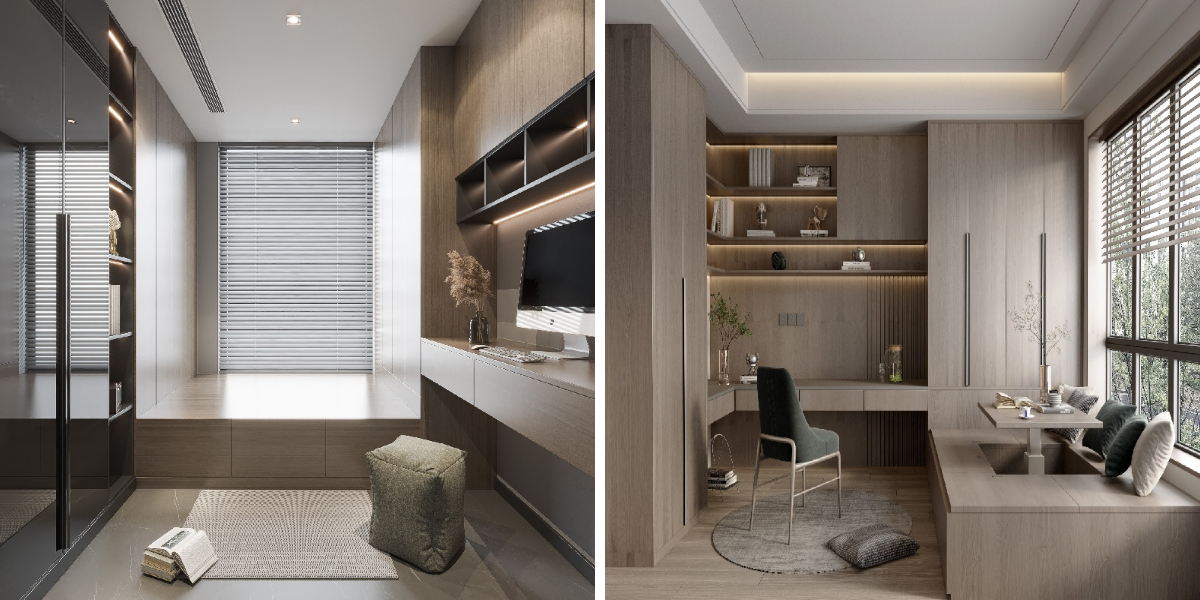
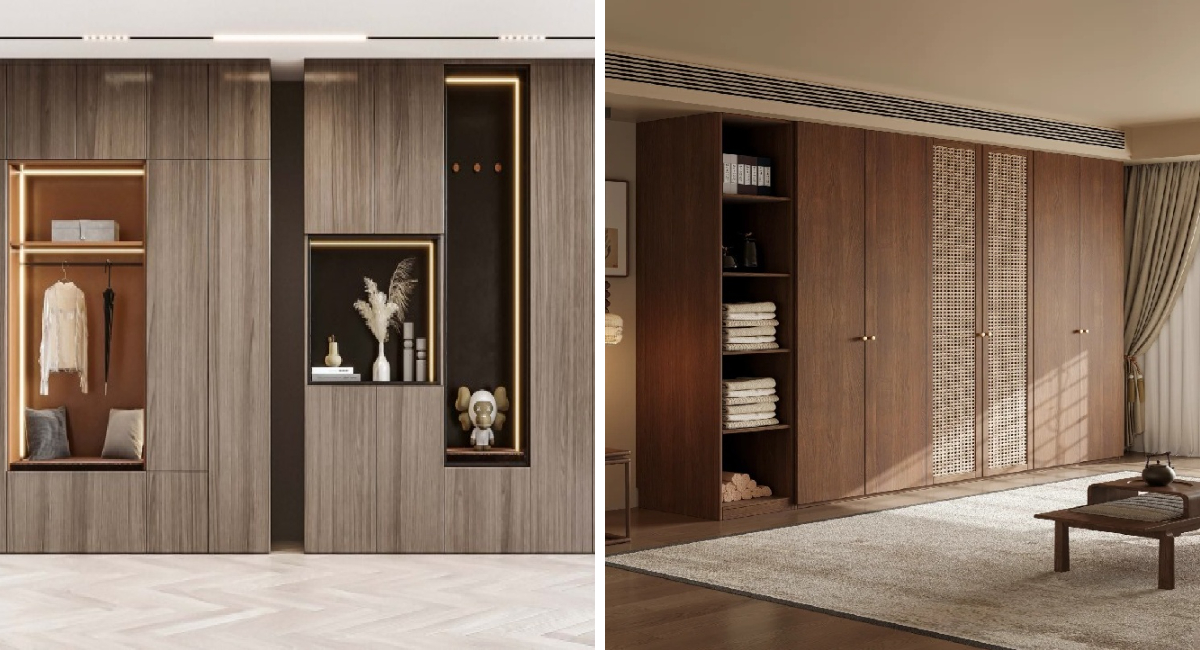
Modern wooden wardrobes integrate traditional craftsmanship with cutting-edge design features, including:
· Integrated LED lighting systems for visibility and ambiance
· Smart storage solutions (pull-out shoe racks, hidden compartments, and modular shelving)
· Slim-profile designs for space optimization in small bedrooms
· Hybrid materials (wood + metal accents) for a contemporary edge
· Eco-friendly hardware (recycled metal hinges, bamboo drawer pulls)
These innovations enhance functionality while preserving the natural beauty of wood, creating wardrobes that are both practical and visually striking. For example, LED lighting strips installed inside wardrobes not only make it easier to find items but also add a touch of luxury, while pull-out shoe racks maximize vertical space in compact urban apartments.
Advantages in Contemporary Living
Adaptable Design: Modular wooden wardrobes can be reconfigured to suit changing storage needs, making them ideal for growing families. As children move out or homeowners downsize, these wardrobes can be adjusted to fit new spaces, eliminating the need for costly replacements.
Acoustic Benefits: Wood naturally absorbs sound, reducing noise in shared living spaces and creating a quieter bedroom environment. This is particularly beneficial in urban apartments, where external noise can disrupt sleep and relaxation.
Air Quality: Solid wood and low-VOC finishes minimize indoor air pollutants, supporting healthier living spaces. Unlike composite materials, which can emit harmful chemicals over time, solid wood is a natural, non-toxic choice for the home.
Brand Storytelling: The craftsmanship behind wooden wardrobes provides a compelling narrative for brands to connect with consumers on an emotional level. By highlighting the artisans and techniques used to create each piece, brands can build trust and loyalty, positioning themselves as purveyors of quality and tradition.
Market Differentiation: In a crowded market, wooden wardrobes stand out as premium, durable alternatives to disposable furniture, driving customer loyalty. Brands that prioritize wooden craftsmanship can carve out a unique niche, appealing to buyers who value quality over quantity.
Comparative Analysis: Wooden vs. Synthetic Wardrobes
When evaluating wooden and synthetic wardrobes, several key differences emerge across durability, aesthetics, sustainability, and cost.
In terms of durability, wooden wardrobes offer exceptional longevity, with the potential to last decades with proper care, whereas synthetic options typically have a lifespan of 5–10 years. Aesthetically, wooden wardrobes provide a timeless, natural look that can be customized to fit any design scheme, while synthetic alternatives are often trend-driven and offer limited flexibility in design.
From a sustainability perspective, wooden wardrobes made from FSC-certified wood are renewable and recyclable, aligning with eco-friendly consumer preferences. In contrast, many synthetic wardrobes are made from non-recyclable materials and have a higher carbon footprint. Cost-wise, wooden wardrobes have a higher upfront investment but lower long-term costs due to their durability, while synthetic options have a lower initial price tag but require more frequent replacement.
Manufacturing complexity also differs: wooden wardrobes require skilled craftsmanship, leading to moderate production complexity, while synthetic wardrobes are often mass-produced with lower complexity. Finally, market positioning sets wooden wardrobes as premium, investment-grade pieces, whereas synthetic options are typically positioned as mid-range, disposable furniture.
This comparison highlights that while synthetic wardrobes may offer a lower initial cost, wooden wardrobes provide superior long-term value, durability, and aesthetic appeal. For brands targeting premium markets, wooden wardrobes are a strategic choice that can drive higher margins and customer loyalty.
Market Trends & Strategic Insights Key Consumer Drivers
·
Sustainability: 68% of global consumers prioritize eco-friendly furniture, driving demand for FSC-certified wooden wardrobes. This trend is particularly strong among millennials and Gen Z, who are more likely to pay a premium for sustainable products.
·
·
Longevity: Post-pandemic, homeowners are investing in “forever homes,” favoring durable, timeless pieces over fast furniture. This shift has led to a decline in demand for disposable composite furniture and a rise in sales of high-quality wooden pieces.
·
·
Customization: 52% of buyers prefer customizable storage solutions, a strength of wooden wardrobe craftsmanship. Brands that offer modular designs and personalized finishes are better positioned to meet this demand.
·
·
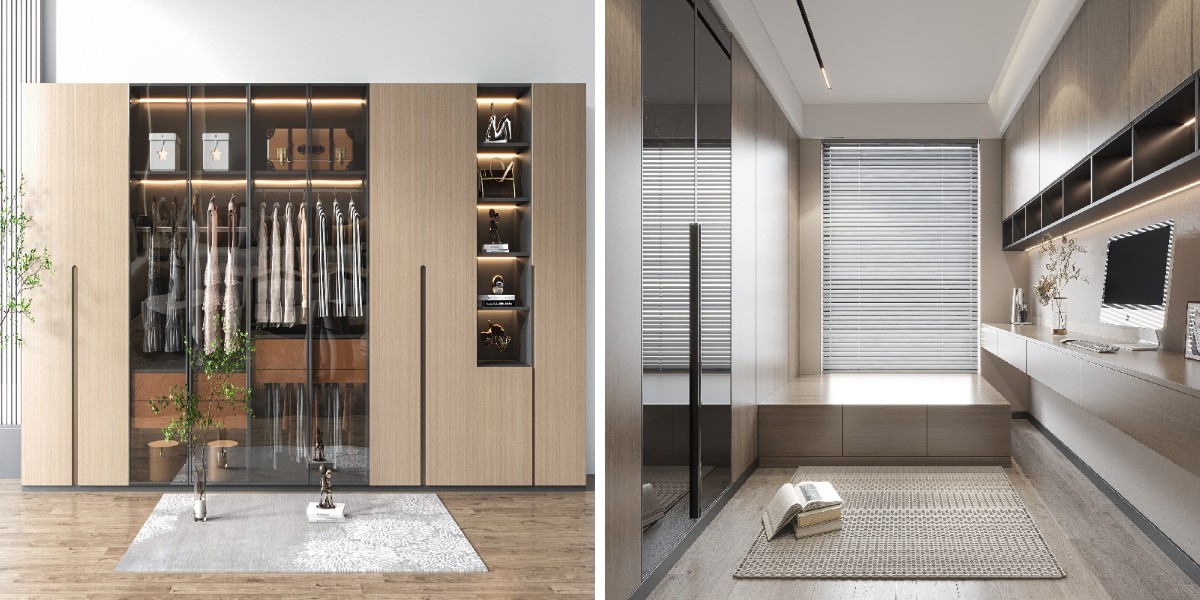
Aesthetic Value: Natural wood finishes are trending in interior design, with 41% of designers citing wood as a top material choice for 2024. This trend is driven by a desire to bring warmth and nature into the home, especially in urban environments.
·
Strategic Recommendations for Brands
1.Prioritize SustainabilityHighlight FSC certification and eco-friendly finishes to appeal to conscious consumers. Brands can also partner with environmental organizations to offset their carbon footprint, further enhancing their sustainability credentials.
2.Innovate with DesignIntegrate smart storage and modern hardware to position wooden wardrobes as forward-thinking solutions. Features like USB charging ports, built-in speakers, and app-controlled lighting can appeal to tech-savvy buyers.
3.Educate ConsumersEmphasize the long-term value of wooden furniture to justify higher price points. Brands can use content marketing, such as blog posts and video tutorials, to educate buyers on the benefits of investing in durable, timeless pieces.
4.Collaborate with CraftsmenPartner with skilled artisans to maintain quality while scaling production. This not only ensures that each piece is crafted with care but also supports local communities and traditional craftsmanship.
5.Leverage Digital StorytellingUse content marketing to showcase the craftsmanship behind wooden wardrobes, building brand trust. Brands can share behind-the-scenes videos of artisans at work, highlighting the skill and dedication that goes into each piece.
Conclusion
In an era of fast furniture and fleeting trends, the durable & stylish wooden wardrobe stands as a testament to timeless design and enduring quality. For brands, investing in wooden wardrobe production is not just a product choice—it’s a strategic commitment to sustainability, craftsmanship, and long-term customer loyalty.
As the global bedroom furniture market evolves, wooden wardrobes will continue to be a cornerstone of premium interior design, offering unmatched durability, aesthetic versatility, and environmental responsibility. For international buyers, partnering with reputable OEMs to source high-quality wooden wardrobes is a sound investment in both brand reputation and market success.
By blending traditional craftsmanship with modern innovation, wooden wardrobes are poised to remain a staple in homes around the world, providing both functional storage and timeless beauty for generations to come.