Wooden Kitchen Cabinets: Natural Grain Trends in 2026
Explore why wooden kitchen cabinets are replacing white in 2026. A deep B2B analysis on natural grain trends, material specs, and market demand.
For more than a decade, the global kitchen design landscape was dominated by a singular, uncontested visual standard: the all-white, ultra-minimalist kitchen. Characterized by high-gloss white lacquers or flat-white thermofoil paneling, this aesthetic signaled cleanliness, modernism, and spatial efficiency. However, as architectural preferences evolve and consumers increasingly seek tactile warmth and organic authenticity in residential spaces, a major structural paradigm shift is underway across global markets.
In 2026, natural timber textures and rich wood finishes are rapidly displacing monochrome palettes. Wooden kitchen cabinets have transitioned from a niche luxury preference to the mainstream standard for residential developments, multi-family construction projects, and high-end remodeling. This report examines the macroeconomic, architectural, and manufacturing drivers behind the dominance of natural grain cabinetry in 2026, offering actionable market insights for international procurement managers, real estate developers, and interior architects.
The Architectural Shift: Biophilic Design Meets Structural Warmth
The decline of the all-white kitchen is not merely a transient style cycle; it represents a fundamental re-evaluation of residential interior environments. Driven by the principles of biophilic architecture—which emphasizes human connection to natural elements—designers are leveraging natural wood textures to create grounding, calming living spaces.
From Sterile Minimalism to Organic Tactility
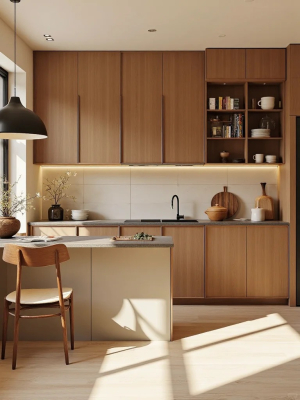
While white cabinetry offered a clean backdrop, it frequently resulted in sterile, clinical indoor environments when deployed at scale. In contrast, natural wood kitchen cabinets introduce organic depth through non-repeating grain patterns, structural knots, and subtle tonal variations.
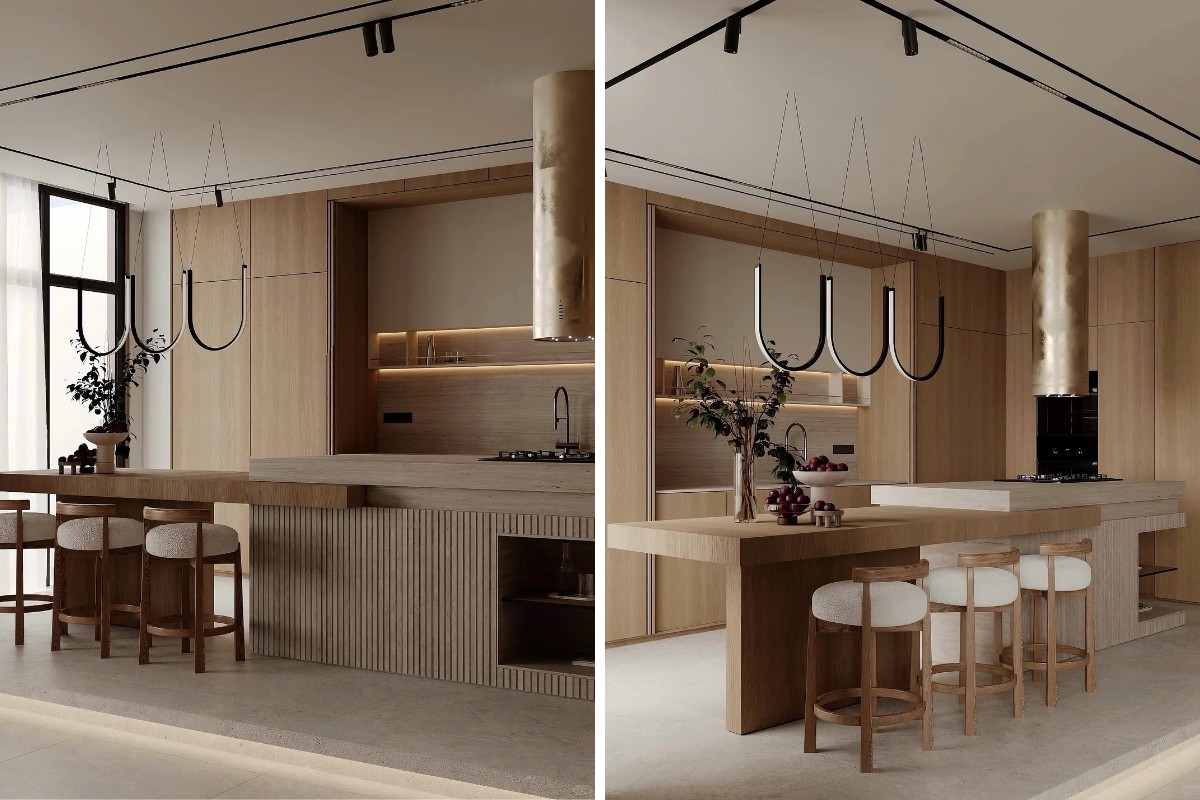
Architects are increasingly specifying wood finishes that celebrate these inherent characteristics rather than concealing them beneath opaque paint coats. The visual warmth of timber creates a smooth, cohesive architectural transition between kitchen preparation zones and adjacent open-plan living rooms, reinforcing the kitchen’s role as the emotional anchor of the modern home.
The Rise of Warm Neutral Palettes
The 2026 color palette is firmly anchored in warm, grounded tones. While dark walnut and espresso stains dominated early luxury wood movements, today’s market demonstrates a clear preference for mid-tone and warm light timber finishes. Species such as American white oak, natural ash, quarter-sawn white oak, and textured rift-cut veneers are leading current specifications. These finishes bounce natural light effectively across living spaces while maintaining an undeniable sense of organic luxury.
Macroeconomic and Consumer Drivers Shaping 2026 Procurement
The commercial migration toward natural grain cabinetry is supported by clear consumer behavioral data and real estate valuation trends across North America, Europe, and the Middle East.
High-End Residential Real Estate Premium
Market research across major metropolitan residential sectors indicates that properties featuring high-quality custom cabinetry in natural timber textures command higher buyer interest and shorter market listing durations compared to traditional painted white units. Buyers increasingly perceive natural wood veneers or textured melamine finishes on multi-layer plywood as an indicator of structural stability, artisanal craft, and enduring value, whereas painted surfaces are often associated with lower-tier substrates.
Durability and Maintenance Efficiency in High-Traffic Spaces
From an operational and property management standpoint, specifying wooden kitchen cabinets built with marine-grade plywood cores offers distinct performance advantages over white painted surfaces:
1.Impact and Edge Wear Resistance: High-grade timber veneers or thermally fused melamine surfaces backed by durable plywood conceal minor scuffs, fingerprints, and daily wear significantly better than pristine white lacquers.
2.Longevity of Appearance: White cabinets are susceptible to UV discoloration, yellowing over time when exposed to direct sunlight. Modern transparent topcoats and anti-UV melamine films preserve natural timber hues without yellowing or cracking.
3.Refinishing Versatility & Surface Hygiene: High-density plywood substrates paired with low-maintenance melamine or real timber veneers allow for long-term durability and localized repairs, extending the overall product lifecycle in commercial and rental developments.
Technical Specifications: Engineering Natural Grain Cabinetry
Achieving commercial-grade durability with natural wood grain requires precise engineering, multi-layer core construction, and state-of-the-art finishing technologies. B2B buyers evaluating wholesale kitchen cabinets must look beyond surface aesthetics to analyze core structural specifications, particularly the choice between real timber veneers and cost-effective melamine finishes.
Substrate Selection and Finish Options
To prevent warping or expansion caused by seasonal humidity fluctuations in kitchen environments, leading international manufacturers utilize multi-layer plywood core constructions. Moisture-resistant plywood serves as the ideal architectural foundation for both cabinet carcasses and door panels, customizable with two primary surface finish options:
Natural Timber Veneer: Real wood species (0.6mm - 1.2mm) bonded to plywood, offering genuine organic grain, premium tactile feel, and bespoke grain-matching versatility. Available in rift-cut, quarter-sawn, and crown-cut patterns.
Thermally Fused Melamine Finish: Synchronized 3D textured melamine pressed onto plywood, providing exceptional scratch resistance, water resistance, color uniformity, and cost efficiency for large-scale multi-family developments.
Advanced Surface Treatments and Protective Coatings
The 2026 market demands finishes that feel raw and tactile to the touch while offering complete impermeability against moisture, kitchen grease, and household chemicals. For veneer surfaces, leading B2B manufacturing plants adopt matte clear coatings (5% to 10% gloss levels) powered by UV-cured acrylics or water-borne polyurethanes over plywood. For melamine options, advanced 3D synchronized press plates replicate natural timber pores while sealing the surface completely against moisture penetration.
Market Segment Analysis: How Wood Grain Is Integrated
The adoption of natural grain cabinetry manifests uniquely across different commercial product lines and market tiers.
1.Minimalist Slab Doors with Continuous Grain Matching
In modern architectural projects, flat-panel (slab) doors crafted from heavy-duty plywood cores dominate. The hallmark of high-end manufacturing in 2026 is continuous grain matching, achieved via premium timber veneers or high-definition melamine panel nesting, where the wood grain flows uninterrupted horizontally or vertically across adjacent cabinet doors and drawer fronts.
2.The Evolution of the Shaker Door: The Micro-Shaker
Traditional heavy Shaker doors with wide stiles and rails are being superseded by the "Micro-Shaker" or slim-frame profile. Featuring stiles as narrow as 12mm to 15mm engineered with plywood cores and wrapped in natural oak veneers or high-durability melamine films, this hybrid design offers the structured shadowing of a traditional door alongside the clean geometry of modern flat-panel fitted bedroom wardrobe and kitchen storage systems.
3.Mixed-Material Integrations
To prevent large kitchen footprints from feeling visually heavy, contemporary designers frequently pair wood-forward base cabinets with complementary wall unit materials. Common 2026 pairings include:
Natural Oak Veneer or Melamine Plywood Base Units combined with fluted glass upper cabinets.
Dark Walnut Islands paired with matte black or warm travertine stone countertops.
Wood Grain Cabinetry accented by integrated LED channel lighting and bronze or brushed brass hardware.
Strategic Implications for B2B Importers, Wholesalers, and Developers
As global demand accelerates, international distributors, project contractors, and procurement professionals must adapt their sourcing strategies for wooden kitchen cabinets to maintain competitive advantages.
Supply Chain and Inventory Planning
Unlike uniform white painted doors that can be easily mass-produced and color-matched across different batches, natural wood veneer cabinetry requires strict quality control during raw material selection. For cost-sensitive projects requiring absolute color consistency across hundreds of units, specifying textured melamine over plywood ensures zero lot-to-lot color variation. Importers sourcing wooden wardrobe storage and kitchen cabinetry can balance luxury veneer lines with melamine offerings to capture different market segments.
Balancing Cost with Value: Real Veneer vs. Melamine Finishes
For large-scale commercial developments, developers can optimize budgets by choosing between two versatile plywood options:
1.Natural Timber Veneer on Plywood: Ideal for high-end single-family homes and penthouse suites seeking authentic wood grain and hand-crafted luxury.
2.Synchronized Melamine on Plywood: Ideal for high-density multi-family housing and rental properties requiring maximum durability, easy maintenance, and optimized cost per unit.
Environmental Certifications and Compliance
Sustainability remains a decisive factor in global procurement contracts. International buyers must verify that plywood, timber veneers, and melamine resins comply with global environmental standards, including FSC (Forest Stewardship Council) certifications alongside low-formaldehyde emissions regulations (EPA TSCA Title VI / ENF / E0 Grade).
Conclusion: The Enduring Future of Natural Timber
The movement toward wooden kitchen cabinets in 2026 is far more than a short-lived design trend. It reflects a permanent reorientation of residential architecture toward longevity, tactile comfort, and environmental authenticity. By replacing cold, reflective monochromatic surfaces with the organic depth of natural timber veneer or 3D synchronized melamine on engineered plywood, modern living spaces achieve a timeless elegance that withstands changing fashion cycles.
For manufacturing partners, real estate developers, and international distributors, mastering the technical execution and offering versatile finish options—from natural timber veneers to commercial melamine—is now essential for capturing market share in the luxury and mid-to-high residential sectors worldwide.