Handled vs. Handleless Cabinets: Which Is Best for Your Custom Kitchen Design?
Compare handled vs. handleless kitchen cabinets to discover the ideal choice for your custom kitchen design, balancing ergonomics and style.
The modern kitchen has evolved far beyond a purely utilitarian workspace, emerging instead as the architectural core and social epicenter of the contemporary home. For global property developers, interior architects, and high-end B2B importers, specifying the right cabinetry layout dictates both the functional longevity and the ultimate aesthetic valuation of a real estate project. Among the myriad design decisions required during a kitchen fit-out, one fundamental choice consistently shapes the entire aesthetic trajectory: the debate between handled and handleless systems.
Evaluating handled vs. handleless cabinets requires a deep understanding of manufacturing tolerances, mechanical engineering, regional architectural preferences, and ergonomic performance. This comprehensive guide explores the structural nuances, market drivers, and technical specifications that empower B2B decision-makers to make informed procurement choices.
Global Market Dynamics and Contemporary Design Trends
The international demand for custom kitchen cabinetry continues to expand at a steady pace, driven by urbanization, luxury real estate developments, and a growing consumer preference for clean, minimalist interiors. According to recent global home furnishings and architectural hardware market insights, the global kitchen cabinets market valuation surpasses billions of dollars annually, with customized millwork commanding a significant and growing market share.
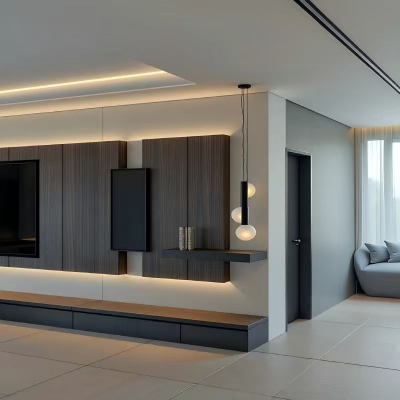
The Shift Toward Minimalist Fluidity: In metropolitan markets across Western Europe, North America, and affluent Asian hubs, architectural preferences heavily favor clean, uninterrupted vertical planes. This trend makes handleless systems a dominant choice for contemporary luxury developments.
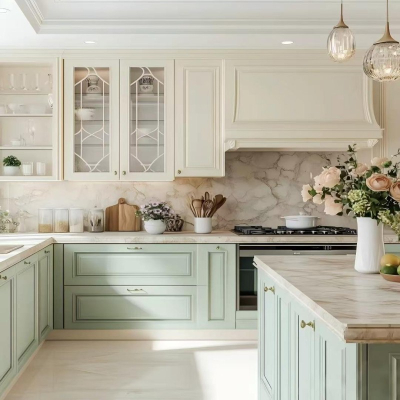
The Enduring Appeal of Ergonomic Classicism: Conversely, traditional, transitional, and farmhouse-style residential projects across North America and suburban European markets continue to specify handled cabinetry. Handles provide tactile contrast, a defined focal point, and an ergonomic grip preferred by multi-generational households.
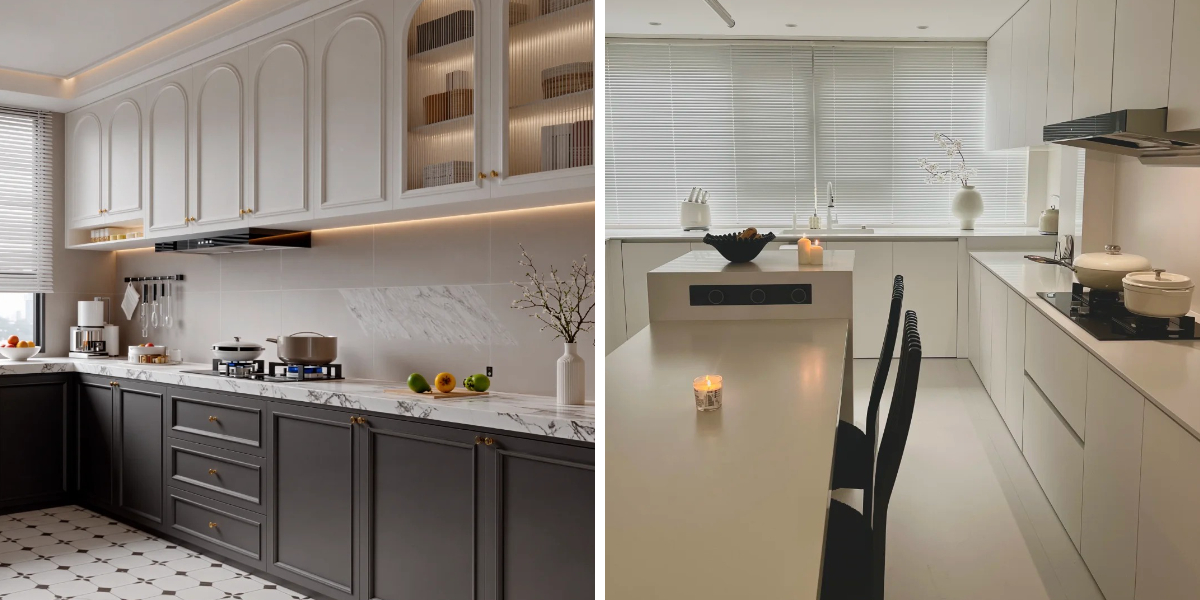
The Rise of Hybrid Specifications: Modern interior designers increasingly blend the two styles—utilizing handleless push-to-open upper or tall pantry walls to maintain clean sightlines, while incorporating tactile, brushed-metal handles on heavy-duty drawer bases to handle frequent, high-load use.
Strategic Long-Tail Keywords for Global B2B Export
To capture high-intent international search traffic and optimize digital visibility, export manufacturers and wholesale suppliers must integrate precise search phrases within their product catalogs and technical literature. This article incorporates the primary keyword alongside the following core long-tail keywords:
handled vs. handleless cabinets
modern kitchen cabinet trends
handleless kitchen mechanical systems
custom cabinet hardware specifications
b2b kitchen furniture manufacturing
ergonomic kitchen storage solutions
Technical Specifications and Product Structure
Comparing handled vs. handleless cabinets from an engineering standpoint reveals distinct differences in internal structure, hardware integration, and assembly tolerances.
1. The Engineering of Handleless Systems
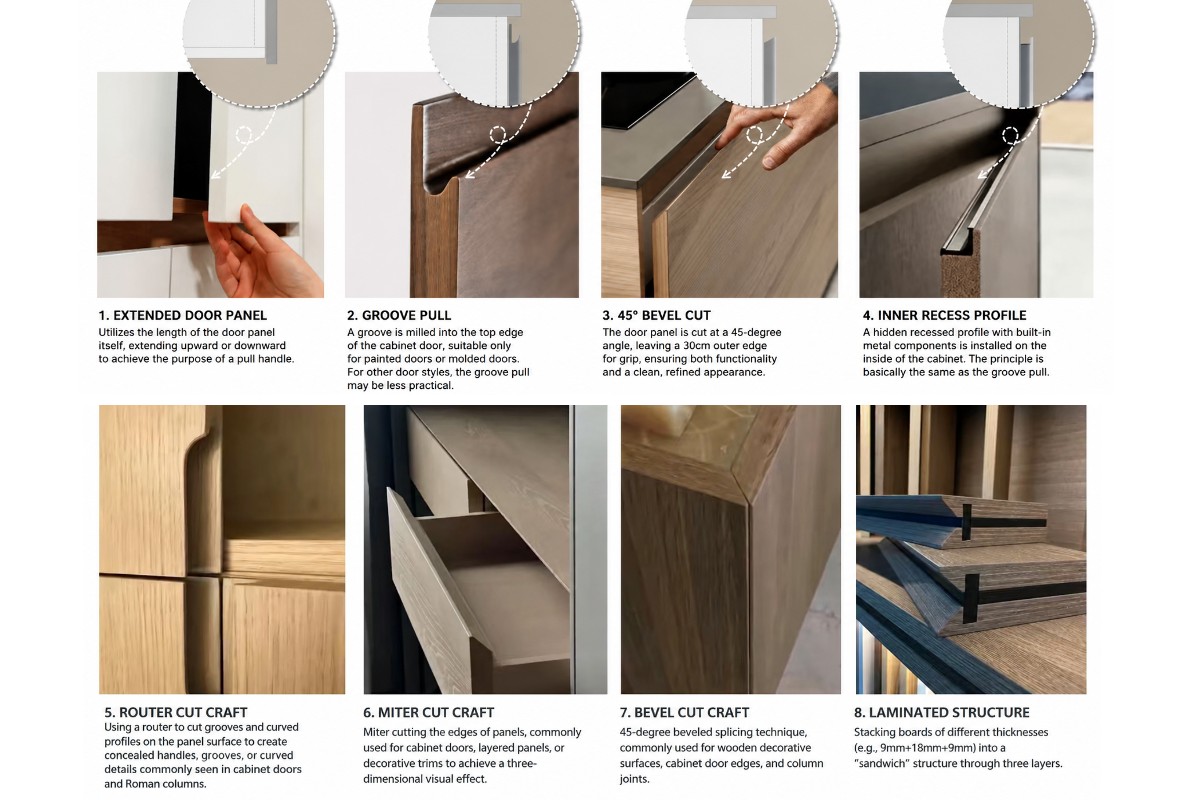
Handleless cabinetry relies on sophisticated mechanical infrastructure rather than external pulls. There are three primary technical typologies utilized by premier manufacturers:
True Handleless : An aluminum profile profile channel (C-channel or L-channel) is integrated directly into the cabinet carcass behind the door or drawer front. This creates a recessed shadow gap where fingers can grip the panel edge.
Push-to-Open Mechanical Latches: Cabinet doors and drawers utilize heavy-duty magnetic push-latches mounted internally. A light press on the face panel triggers the spring mechanism, allowing the door to pop open smoothly.
Integrated J-Pull or Bevelled Edges: The top or side edge of the wooden or MDF door panel is precision-milled at a 30 to 45-degree angle, allowing users to hook their fingers directly behind the panel face to pull it open.
2. The Structural Anatomy of Handled Cabinetry
Handled systems prioritize direct mechanical leverage and tactile ergonomics. The structural focus shifts from edge-milling to face-panel reinforcement:
Substrate Screw Retention: Because pulls and knobs are bolted directly through the door or drawer front, the core substrate (MDF or plywood) must possess high screw-holding strength to prevent hardware loosening under heavy pulling forces.
Hardware Finish and Metallurgy: Premium export specifications utilize Grade 304 stainless steel, solid brass, or zinc alloy hardware treated with electroplated or PVD coatings to resist corrosion, tarnishing, and chemical degradation from daily cleaning agents.
Manufacturing Workflows and Quality Control Standards
Producing elite-tier kitchen cabinetry for international export requires rigorous adherence to standardized manufacturing workflows, ensuring that every batch meets exact architectural tolerances.
1. Precision CNC Machining and Edge Banding
Whether producing handleless Gola-rail cabinets or traditional handled doors, automated CNC nesting machines execute millimeter-precise cuts for cabinet boxes and specialized bevel edges. For handleless designs, high-precision edge banding utilizing PUR (Polyurethane) waterproof adhesive is essential. PUR adhesive creates an invisible, moisture-resistant bond that protects core substrates from steam, humidity, and delamination—a critical factor for high-humidity kitchen environments.
2. Trial Assembly and Hardware Stress Testing
Before final packaging, top-tier manufacturers conduct complete factory pre-assembly of sample kitchen runs. Hardware components, including soft-close drawer slides, concealed hinges, and push-latches, undergo rigorous cycle testing (often exceeding 100,000 operational movements) to guarantee long-term durability and structural alignment.
International Buyer Preferences, Challenges, and Procurement Solutions
Global property developers, architectural specifiers, and commercial importers face distinct operational challenges when sourcing custom kitchen cabinetry from overseas manufacturing partners.
Common Procurement Pain Points
Hardware Compatibility and Tolerances: Minor variations in hinge adjustments or Gola rail clearances can result in uneven shadow gaps across large runs of handleless cabinetry, frustrating on-site installation teams.
Maintenance and Fingerprint Susceptibility: End-users frequently note that high-gloss or matte handleless surfaces show fingerprints more readily than handled doors, requiring specialized anti-fingerprint nano-coatings.
Logistics and Shipping Protection: Long-distance ocean freight exposes custom cabinet components to moisture shifts and mechanical shock, risking panel warping or surface scratching.
Frequently Asked Questions (FAQ)
1. Which system—handled or handleless—is more durable for high-traffic commercial or residential projects?
Both systems offer exceptional longevity when manufactured with high-grade materials. However, traditional handled cabinets generally experience less mechanical wear over time because they do not rely on internal spring-loaded push-latches or specialized edge channels, making them exceptionally robust for heavy-use environments.
2. How do handleless kitchen cabinets handle moisture and cleaning around the recessed channels?
True handleless systems utilizing aluminum Gola profiles are highly resistant to moisture. Quality manufacturers seal all exposed core edges with waterproof PUR adhesive and include rubber dust gaskets inside the rail channels to prevent debris accumulation and simplify routine cleaning.
3. Can handleless mechanisms be retrofitted into existing handled kitchen layouts?
Retrofitting is generally complex and not recommended. Handleless systems require specialized carcass modifications, shallower drawers to accommodate Gola rails, or specific door-edge milling profiles that must be executed during the primary factory manufacturing phase.
4. What is the standard lead time for custom B2B cabinet production and international delivery?
Standard manufacturing lead times range from 4 to 6 weeks, depending on project scale, finish complexity (such as custom matte lacquers or wood veneers), and hardware specifications. This timeframe includes rigorous pre-assembly quality control and coordination with global logistics partners.
Elevate Your Next Project with Bespoke Custom Cabinetry Solutions
Are you an architectural specifier, real estate developer, or commercial furniture distributor seeking world-class manufacturing partners for your upcoming residential portfolio? Partner with an industry leader dedicated to precision engineering, superior materials, and seamless global supply chain execution.
Contact our export sales engineering team today to request comprehensive technical data sheets, CAD libraries, material finish samples, and a customized project quotation tailored to your exact specifications.