Sleek Integration Multifunctional Hallway Cabinets
Discover how sleek integration multifunctional hallway cabinets redefine modern entryway design with smart storage, custom millwork, and advanced engineering.
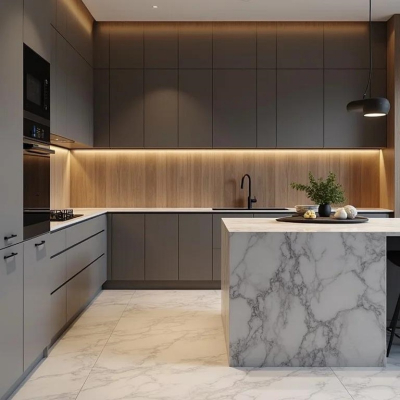
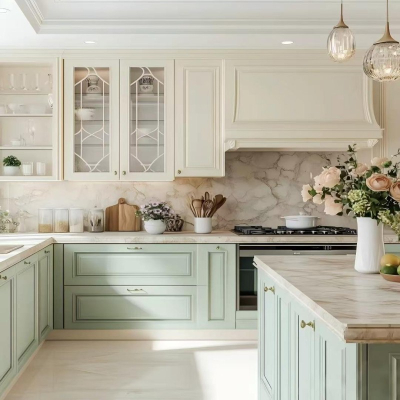
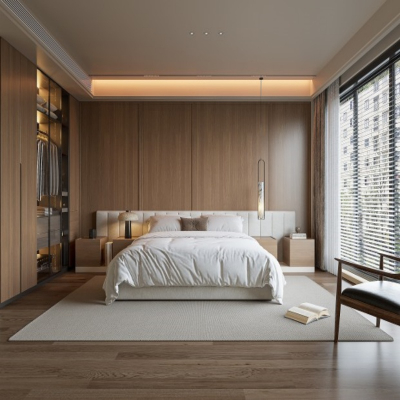
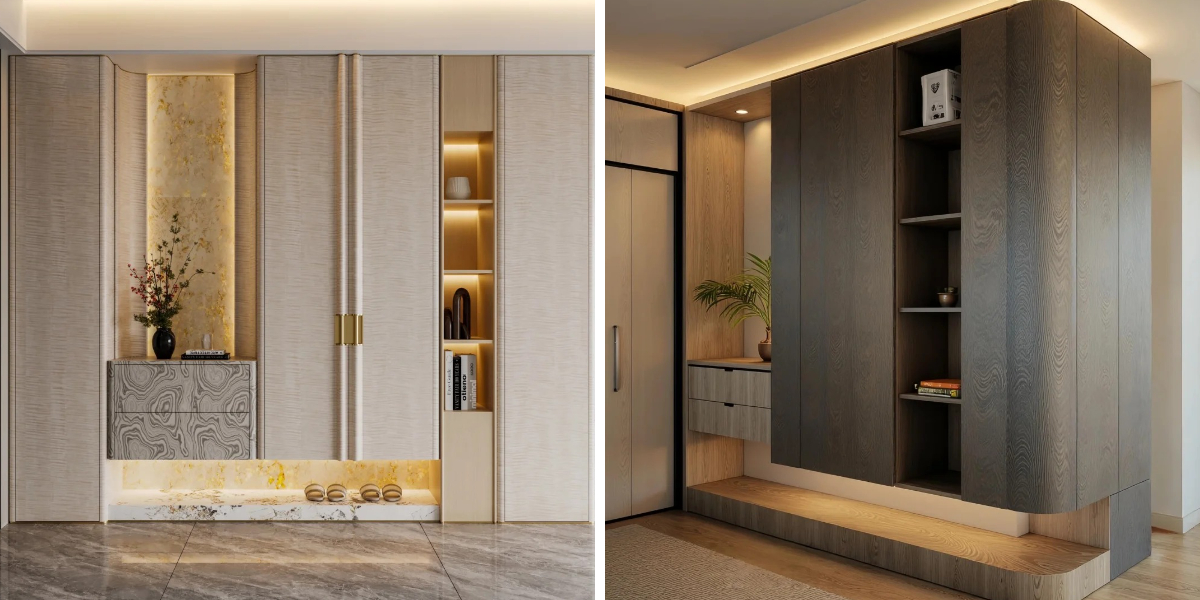
As contemporary architectural design shifts toward optimized space management and unified interior aesthetics, the residential entryway has undergone a profound transformation. Once regarded as a purely transitional and often overlooked threshold, the modern hallway is now conceptualized as a critical architectural focal point. For global property developers, interior architects, and high-end B2B buyers, maximizing utility without sacrificing elegance is a paramount objective. Sleek Integration Multifunctional Hallway Cabinets have emerged as the definitive solution to meet this demand, seamlessly blending architectural millwork with advanced smart storage engineering.
Global Market Dynamics and the Rise of Integrated Entryways
The international demand for bespoke residential storage solutions has experienced remarkable growth. According to recent global real estate and interior market analyses, the valuation of the custom millwork and cabinetry sector continues to expand at a steady compound annual growth rate , driven largely by the proliferation of urban micro-apartments and the soaring costs of square footage in metropolitan centers.
Urbanization trends across North America, Europe, and the Middle East dictate a critical need for space-saving innovations that do not compromise luxury or functional capacity.
Modern homeowners and architectural specifiers increasingly reject fragmented furniture pieces in favor of flush-mounted, floor-to-ceiling built-ins that optimize every square centimeter of available architecture.
The demand for multifunctional hallway cabinets is further accelerated by the rise of smart-home integration, where entryways serve as the central charging, climate-control, and security hubs for modern households.
Key Long-Tail Keywords & Strategic Optimization
To maintain strong visibility across major search engines and capture high-intent commercial traffic, export manufacturers and B2B platforms must target precise search phrases. This article strategically incorporates the following core and long-tail terms to align with international search habits:
Sleek Integration Multifunctional Hallway Cabinets (Primary Keyword)
modern hallway millwork design
space-saving architectural cabinetry
heavy-duty architectural hardware for closets
b2b custom furniture manufacturing
Architectural Engineering and Product Structure
Designing elite sleek integration multifunctional hallway cabinets requires a sophisticated synthesis of advanced industrial manufacturing and rigorous structural engineering. Unlike standard retail furniture, high-end commercial projects demand precision-crafted components designed to withstand intensive daily use in high-traffic residential or hospitality environments.
1. High-Density Substrates and Sustainable Core Materials
The structural integrity of any architectural millwork begins with the choice of core substrates. Premium manufacturing utilizes CARB Phase 2 compliant or E0-grade high-density fiberboard (MDF) and moisture-resistant multi-layered plywood. These materials provide exceptional dimensional stability, preventing warping or sagging across expansive floor-to-ceiling heights. Furthermore, exterior surfaces are finished with durable, scratch-resistant matte lacquers, anti-fingerprint nanotech laminates, or sustainable wood veneers that mirror the tactile warmth of natural timber.
2. Ergonomic Zoning and Internal Architecture
A truly multifunctional hallway cabinet must seamlessly accommodate diverse storage requirements within a unified facade:
The Upper Seasonal Tier: Dedicated overhead compartments equipped with soft-close lift mechanisms for storing out-of-season garments, luggage, and bulk household items.
The Primary Hanging and Drop Zone: Mid-level recessed niches featuring integrated motion-sensor LED lighting, designed for daily outerwear, coats, and accessories.
The Lower Footwear and Utility Matrix: Slanted, ventilated shoe pull-outs alongside concealed charging stations for portable electronics, robotic vacuums, and emergency utility kits.
Advanced Hardware Integration and Manufacturing Workflows
The operational longevity of custom cabinetry relies heavily on the quality of its mechanical hardware. Leading B2B manufacturers partner with world-renowned hardware brands to ensure flawless performance.
1. Heavy-Duty Architectural Hardware Systems
To achieve the signature flush, handleless aesthetic characteristic of modern minimalism, cabinetry incorporates advanced push-to-open touch latches and synchronized soft-close sliding mechanisms. Heavy-duty concealed hinges tested for over 100,000 operational cycles ensure that thick, floor-to-ceiling doors maintain perfect alignment without sagging over decades of use.
2. Precision CNC Manufacturing and Pre-Assembly Protocols
The production workflow for international export projects follows a strict, multi-stage quality assurance protocol:
Digital Prototyping: CAD and BIM integration allows precise matching with architectural floor plans, accommodating irregular walls and non-standard ceiling heights.
CNC Nesting and Edge Banding: Automated CNC machinery ensures millimeter-precision cutting, while PUR waterproof edge banding seals core substrates against ambient moisture.
Rigorous Pre-Assembly: Before export crating, complete cabinet sets undergo full trial assembly in the factory to verify structural tolerances, hardware alignment, and electrical integration.
International Buyer Preferences, Challenges, and Procurement Solutions
Global B2B procurement managers, real estate developers, and architectural specifiers face unique logistical and technical challenges when sourcing custom furniture from overseas manufacturing hubs. Understanding these pain points is essential for establishing seamless supply chain partnerships.
Common Procurement Challenges
Dimensional Inaccuracies: Minor on-site variations in wall angles or ceiling heights can cause severe installation delays if custom cabinetry is not engineered with flexible tolerance margins.
Logistical Damage: Long-distance ocean freight exposes wood substrates to humidity shifts and mechanical shocks, risking veneer cracking or hardware failure upon arrival.
Communication Gaps: Complex technical requirements often get lost across multi-tier supply chains, resulting in non-compliant specifications or missed project deadlines.
Professional Export Solutions
To mitigate these risks, top-tier manufacturers implement export-grade packaging protocols—utilizing reinforced plywood crates, corner protection guards, and moisture-barrier vacuum wrapping. Providing comprehensive shop drawings, digital installation manuals, and dedicated project management ensures that international buyers experience zero friction from initial specification to final on-site installation.
Frequently Asked Questions (FAQ)
1. How do sleek integration multifunctional hallway cabinets accommodate non-standard or uneven architectural walls?
During the preliminary planning phase, manufacturer engineering teams review detailed architectural drawings and site measurements. Cabinets are designed with adjustable leveling feet and scribed filler panels that can be precisely trimmed on-site to flush-fit irregular walls, pillars, or sloping ceilings.
2. What international environmental and safety standards do the wood substrates comply with?
All engineered wood substrates and finishes comply with stringent global environmental standards, including CARB Phase 2, E0 formaldehyde emission certifications, and FSC sustainability guidelines, ensuring safe indoor air quality for residential and commercial spaces.
3. How are delicate glass elements and tall custom panels protected during international shipping?
Export shipments utilize reinforced, fumigation-free plywood crates lined with high-density shock-absorbing foam and protective edge guards. Fragile components, such as glass-front doors and integrated LED profiles, are individually crated and secured to prevent shifting during long-distance ocean transit.
4. What is the standard lead time for custom B2B production and delivery?
Typical manufacturing lead times range from 4 to 6 weeks depending on project scale, custom finish complexity, and hardware specifications. This timeframe includes rigorous pre-assembly quality control, custom crating, and coordination with international logistics partners.
Elevate Your Next Project with Bespoke Entryway Solutions
Are you an architect, developer, or commercial interior distributor looking to elevate your upcoming residential portfolio with world-class sleek integration multifunctional hallway cabinets? Partner with an industry-leading manufacturer committed to uncompromising quality, precision engineering, and seamless global logistics.
Contact our export sales engineering team today to request comprehensive technical data sheets, CAD libraries, material swatch samples, and a customized project quotation tailored to your exact specifications.