Which Bedroom Design Styles Are Most Popular In International Markets?
1.0 Industry Background: Global Bedroom Furniture Market Overview
The global bedroom furniture market is a cornerstone of the international interior design and real estate industries, valued at approximately USD 426 billion in 2026, with a projected compound annual growth rate (CAGR) of 3.7% through 2035. This robust expansion is fueled by several key factors: rapid urbanization, a surge in residential and hospitality construction (over 22 million housing units completed globally in 2024), rising disposable incomes, and a growing consumer focus on creating personalized, functional, and aesthetically pleasing living spaces.
For B2B buyers—including hotel developers, apartment contractors, real estate investors, and furniture retailers—understanding the most popular bedroom design styles in international markets is critical. It directly impacts procurement decisions, project appeal, and ultimately, return on investment. The demand is no longer limited to basic functionality; modern commercial projects require bedroom designs that balance style, comfort, durability, and cost-effectiveness to cater to diverse regional tastes and end-user expectations.
Market analysis shows a clear shift towards sustainability, multifunctionality, and customization. In 2024, 48% of global buyers prioritized furniture made from certified sustainable or recycled materials. Furthermore, 31% of urban households in North America and Europe are actively seeking tailor-made bedroom solutions, while modular and space-saving designs account for over 40% of new bed unit sales in densely populated urban areas. This article analyzes the dominant bedroom design styles shaping global demand in 2026, providing B2B buyers with data-driven insights for their bulk procurement and project planning.
2.0 Top Popular Bedroom Design Styles in International Markets
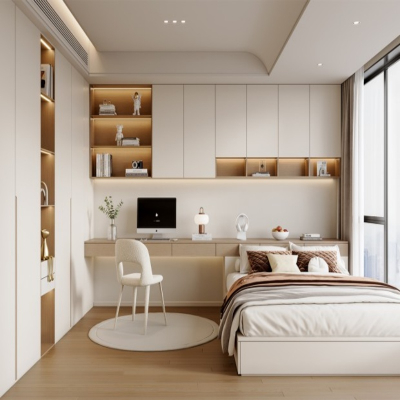
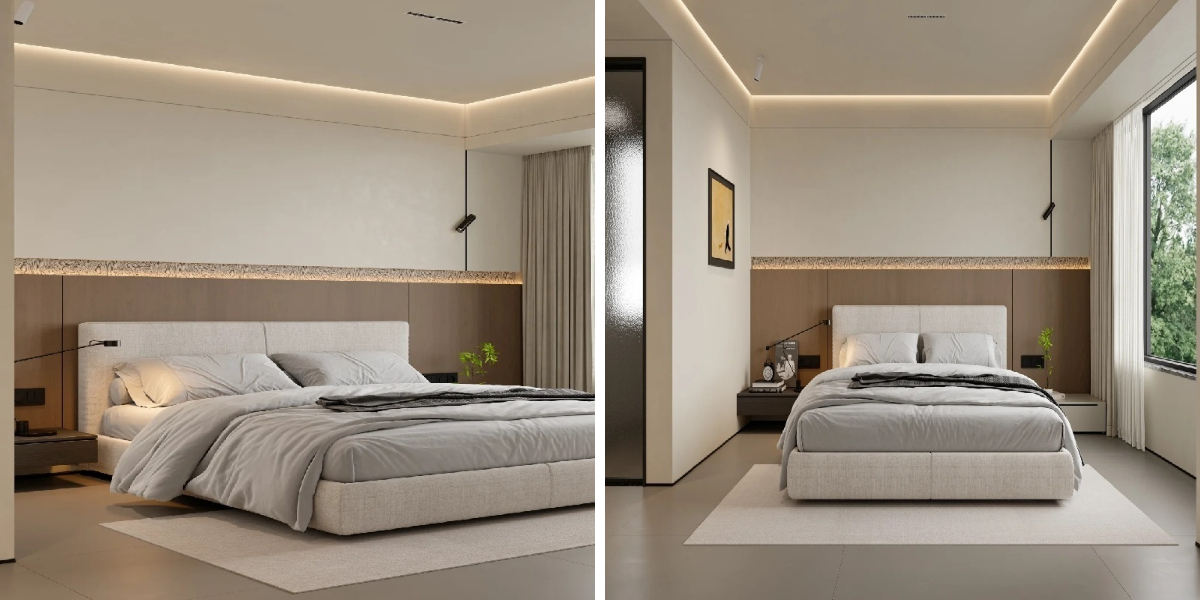
2.1 Warm Minimalist Bedroom Design
Market Dominance: Exploding growth with a 5-year search increase of +75%, Minimalism, particularly the 'Warm Minimalist' variant, is the leading style for modern, urban projects worldwide.
Core Characteristics:
- Aesthetic: "Less is more" philosophy with clean lines, simple geometric forms, and a focus on essential elements. It rejects clutter and excess decoration.
- Color Palette: Dominated by neutral tones—soft whites, beiges, warm grays, and muted earthy tones. Unlike the cold minimalism of the past, warm minimalism incorporates natural wood tones to add warmth.
- Materials: Natural materials like oak, ash, light-toned wood, linen, wool, and matte finishes. Smooth, unadorned surfaces are preferred.
- Functionality: Supreme functionality is key. Furniture pieces often feature integrated, hidden storage solutions.
Key Markets: North America (34% market share), Europe (28% market share), and urban Asia-Pacific. It is the preferred choice for luxury apartments, business hotels, and modern residential complexes due to its timeless appeal and versatility.
2.2 Scandinavian Bedroom Design
Market Dominance: A perennial classic, Scandinavian design maintains a strong global presence, especially in Europe and North America.
Core Characteristics:
- Aesthetic: Bright, airy, and practical, originating from the Nordic countries. It emphasizes maximizing natural light and creating a cozy, inviting atmosphere ('hygge').
- Color Palette: Predominantly white, light gray, and pale pastels, creating a sense of spaciousness.
- Materials: Light-colored natural woods (birch, pine, beech), simple textiles (wool, linen), and functional metal accents.
- Functionality: Highly functional and ergonomic designs with an emphasis on comfort and practicality.
Key Markets: Europe (especially Germany and the UK, representing 22% and 18% of the European market respectively), Canada, and Australia. It is ideal for mid-scale hotels, residential apartments, and eco-friendly projects.
2.3 Japandi (Japanese-Scandinavian) Bedroom Design
Market Dominance: The fastest-growing style, with an astonishing 5-year search growth of +488%, Japandi is the fusion of Japanese and Scandinavian design.
Core Characteristics:
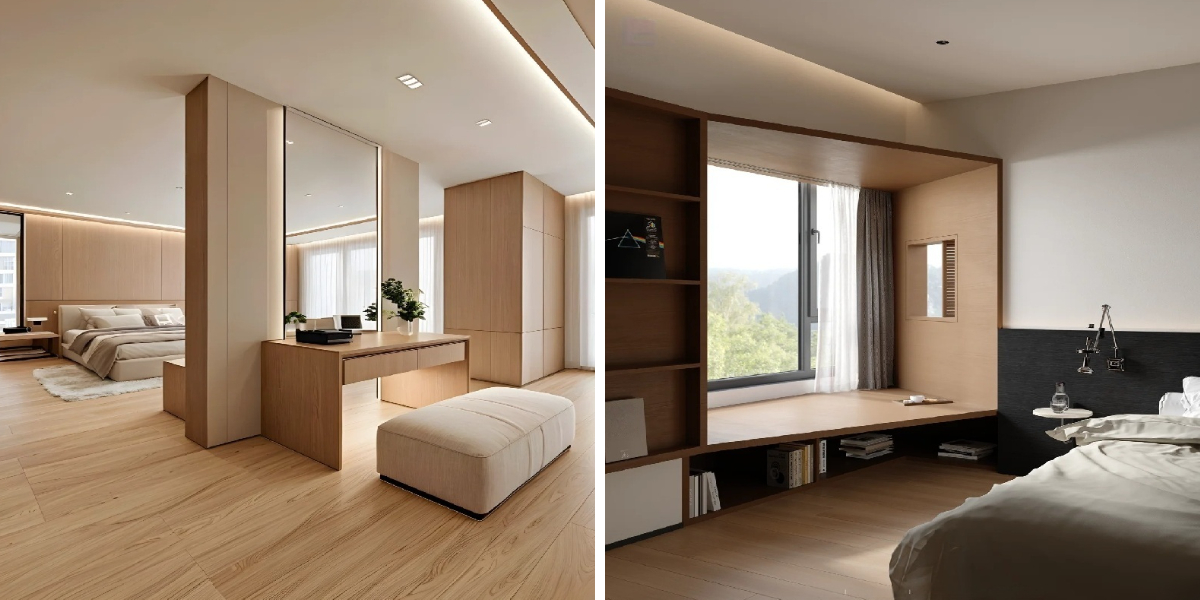
- Aesthetic: A harmonious blend of Japanese minimalism, Zen principles, and Scandinavian functionality and coziness. It promotes calmness, balance, and a deep connection with nature.
- Color Palette: A serene palette of warm neutrals, soft taupes, muted greens, and natural wood tones.
- Materials: Natural, organic materials—solid wood (often dark or medium tones like walnut), bamboo, rattan, cork, rice paper, and natural stone.
- Functionality: Emphasis on low-profile furniture, built-in storage, clean lines, and a sense of open, uncluttered space.
Key Markets: Asia-Pacific (30% market share), particularly Japan (16% of APAC) and China (38% of APAC), followed by high-end markets in the US and Europe. It is perfect for boutique hotels, wellness resorts, and premium residential projects.
2.4 Modern Luxury & Art Deco Revival Bedroom Design
Market Dominance: A strong resurgence, with Pinterest searches for Art Deco interiors increasing by 805%, this style caters to the high-end, luxury segment.
Core Characteristics:
-Aesthetic: Opulent, glamorous, and sophisticated. Modern Luxury blends classic elegance with contemporary comfort, while Art Deco is defined by bold geometric patterns, symmetry, and lavish materials.
- Color Palette: Rich, deep colors—burgundy, emerald green, navy blue, black, gold, and silver accents.
- Materials: Luxurious textures like velvet, silk, satin, polished marble, glossy lacquer, mirrored surfaces, and brushed brass/gold metals.
- Functionality: While aesthetics are paramount, modern interpretations ensure high comfort and practicality, often featuring statement upholstered headboards and custom cabinetry.
Key Markets: Middle East & Africa (8% market share), luxury hotels worldwide, high-end residential properties in major global cities, and premium boutique developments.
2.5 Rustic & Farmhouse Bedroom Design
Market Dominance: A steady, popular choice for suburban and resort-style projects, offering a timeless, comforting appeal.
Core Characteristics:
- Aesthetic: Casual, warm, and inviting, evoking a sense of countryside charm. It features distressed finishes and a lived-in feel.
- Color Palette: Warm whites, creams, beige, taupe, and natural wood stains (oak, pine, cedar).
- Materials: Reclaimed or solid wood, exposed beams, wrought iron, stone, jute, burlap, and vintage textiles.
- Functionality: Sturdy, durable construction with ample storage in dressers and armoires.
Key Markets: North America, rural Europe, and resort destinations. It is widely used in villas, country homes, family-friendly apartment complexes, and themed resorts.
3.0 Key Trends & Technological Integration in 2026
Beyond specific styles, several overarching trends are defining modern bedroom design for the international B2B market:
3.1 Sustainability & Eco-Conscious Materials
Eco-friendly practices are no longer a niche preference but a market standard. Leading manufacturers prioritize:
- Certified Materials: FSC-certified solid wood, recycled wood composites, and low-formaldehyde E0/ENF grade engineered boards.
- Non-Toxic Finishes: Water-based paints and stains free from heavy metals and VOCs, complying with international standards like GREENGUARD and OEKO-TEX®.
- Sustainable Textiles: Organic cotton, linen, hemp, and recycled polyester for upholstery and bedding.
3.2 Smart & Multifunctional Design
The demand for smart, space-saving solutions is at an all-time high:
- Integrated Storage: Beds with hydraulic lift storage, ottoman beds, and wardrobes with custom organizational systems dominate urban project orders.
- Hidden Technology: Bedrooms are becoming 'quiet sanctuaries' with concealed USB charging ports, under-bed LED lighting, hidden speakers, and TV cabinets that disappear when not in use.
- Modular Systems: Modular furniture allows for flexible configurations, easily adapting to different room sizes and layouts—critical for bulk hotel and apartment projects.
3.3 Material & Manufacturing Excellence for B2B
Professional B2B suppliers adhere to stringent manufacturing processes to ensure quality and consistency for large orders:
1. Material Preparation: Lumber is kiln-dried to precise moisture levels (8%-12% depending on target region) to prevent warping.
2. Precision Engineering: CNC cutting ensures high accuracy and uniformity across hundreds of units.
3. Durable Construction: Mortise-and-tenon or dowel joinery for solid wood frames, reinforced with corner blocks for structural stability.
4. Finishing: Multi-layer 'three-base, two-top' finishing processes for scratch-resistant and color-fast surfaces.
5. Quality Assurance: Compliance with ISO 9001, BIFMA, REACH, and CA65 standards, with third-party inspections (SGS, Intertek) for bulk orders.
4.0 FAQ: Common Questions from B2B Buyers
1: Which bedroom design style offers the best ROI for hotel/apartment projects?
Warm Minimalist and Scandinavian designs offer the highest ROI for most commercial projects. Their neutral, timeless aesthetics appeal to the broadest range of guests/tenants, reducing the risk of style obsolescence. They are also cost-effective to produce and maintain, highly functional, and photograph well for marketing materials.
2: Can these styles be customized for bulk orders?
Absolutely. Reputable manufacturers specialize in OEM/ODM customization. All core elements—dimensions, materials (wood type, fabric), colors, finishes, and hardware—can be tailored to your project's brand identity and specifications. This includes modifying sizes to fit standard hotel room blueprints.
3: What is the typical lead time for bulk bedroom furniture orders?
Standard lead times for container orders (20ft/40ft HQ) range from 35 to 50 days after sample approval and deposit. This includes production (25–35 days) and quality control (5–7 days). Complex custom designs or large-scale projects (1000+ units) may require 60–75 days.
4: How to ensure quality consistency across a large order?
Partner with manufacturers that implement strict quality control (QC) protocols. This includes pre-production material testing, in-line QC checks at every production stage, and a final pre-shipment inspection (PSI) where a random sample (typically 2% of the order) is checked for craftsmanship, finish, dimensions, and structural integrity. Always request certifications and test reports.
5: Which style is most suitable for small bedroom spaces?
Warm Minimalist and Scandinavian designs are superior for compact spaces. Their light color palettes, clean lines, and focus on vertical storage create an illusion of space. Additionally, specifically designed space-saving models (like wall beds or slim-profile wardrobes) are ideal for micro-apartments and high-density hotel rooms.
5.0 Conclusion & Call to Action
For B2B buyers navigating the global market, Warm Minimalism, Scandinavian, Japandi, Modern Luxury, and Rustic Farmhouse are the definitive bedroom design styles driving demand in 2026. The market is moving towards designs that masterfully blend aesthetics, functionality, sustainability, and smart technology. To stay competitive, your procurement strategy must align with these trends while offering the flexibility to customize for diverse regional markets.
Partner with a trusted B2B manufacturer that offers:
- A comprehensive range of styles, from modern minimalist to luxury designs.
- Full OEM/ODM customization capabilities for bulk projects.
- Compliance with international quality and environmental standards.
- Competitive pricing, reliable lead times, and dedicated support for hotel, apartment, and commercial developments.
Don't let outdated designs limit your project's potential. Elevate your developments with the most popular and profitable bedroom design styles in international markets.
Contact our sales team today to discuss your project requirements, receive a customized catalog, and request a free quote for your bulk bedroom furniture order. Let's create spaces that impress clients and drive business success.