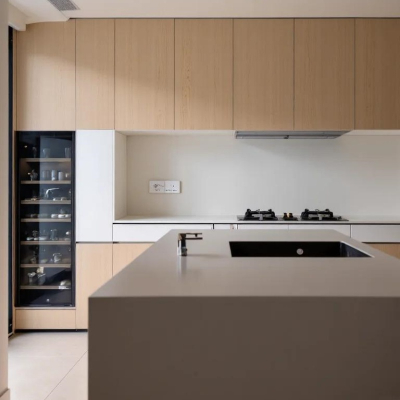
Why Modern Kitchen Cabinets Define Luxury Homes
Discover how modern kitchen cabinets blend ergonomic design, premium materials, and smart storage to transform luxury residential and commercial spaces.
Why Modern Kitchen Cabinets Are Redefining Luxury Residential Interiors in 2026
The kitchen has long transcended its utilitarian origins to become the emotional and architectural core of the modern home. In contemporary interior design, this space serves as a seamless blend of culinary functionality and high-end aesthetic expression. At the center of this transformation are modern kitchen cabinets, which establish the visual and organizational framework for luxury living spaces.
Global property developers, bespoke interior designers, and high-end B2B buyers are increasingly prioritizing advanced cabinetry solutions that harmonize sleek minimalist lines with uncompromising structural durability. This article explores the core design philosophies, material innovations, and functional layouts driving the demand for premium kitchen cabinets in global architectural projects.
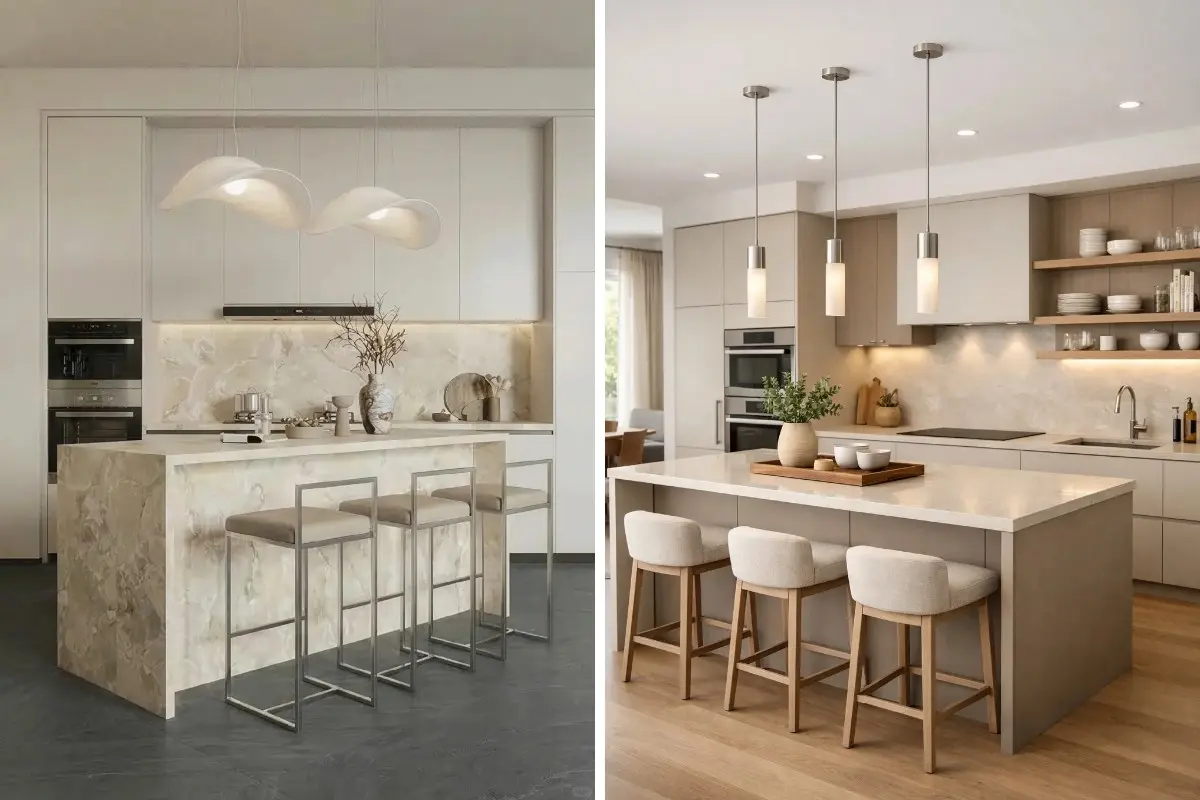
1. The Evolution of Contemporary Kitchen Design
Gone are the days of heavily ornamented, compartmentalized cooking spaces. Modern architectural trends emphasize clean silhouettes, handleless designs, and unbroken visual continuity that integrate the kitchen into the broader living area.
Maximizing Spatial Efficiency and Ergonomics
In urban penthouses and sprawling suburban villas alike, space optimization is paramount. Advanced layout engineering ensures that every square centimeter is utilized efficiently. Intelligent internal organization systems—such as pull-out pantry towers, deep-drawer dividers, and corner carousel units—allow homeowners to maintain an immaculate, clutter-free environment without sacrificing accessibility.
The Open-Plan Lifestyle
As open-plan living continues to dominate global real estate markets, the kitchen often flows directly into the living and dining rooms. Consequently, the exterior finishes, color palettes, and textural details of modern kitchen cabinets must match the sophistication of fine furniture, bridging the gap between utilitarian workspace and luxury lounge.
2. Premium Materials and Engineering Innovations
The longevity and tactile appeal of high-end cabinetry depend entirely on the selection of raw materials and precision manufacturing processes.
Eco-Friendly Engineered Boards and Hardware Integration
To withstand daily wear, moisture, and high temperatures, premium manufacturers utilize high-density, eco-friendly engineered boards paired with aerospace-grade aluminum reinforcements. Furthermore, the integration of world-class hardware—such as heavy-duty soft-closing drawer slides and silent dampening hinges—ensures buttery-smooth operation and extends the operational lifespan of the entire assembly.
Surface Finishes and Aesthetic Versatility
Aesthetic customization allows designers to tailor each project to a specific interior narrative. Popular surface treatments include:
Matte Anti-Fingerprint Lacquer: Provides a silky, tactile touch while resisting smudges in high-traffic cooking zones.
Natural Wood Veneers: Introduce warmth, organic grain patterns, and biophilic elements to minimalist layouts.
Sleek Glass and Metallic Accents: Add subtle reflection and industrial sophistication when paired with integrated LED strip lighting.
3. Application Scenarios Across Global Real Estate Projects
The versatility of customized cabinetry extends far beyond single-family residences, finding widespread adoption across diverse B2B project types.
Luxury Residential Apartments and Villas
For high-end residential developments, custom kitchen cabinets act as a primary selling point. Developers utilize bespoke layouts and luxurious island configurations to elevate property valuation and attract discerning buyers who demand absolute perfection in craftsmanship.
High-End Hospitality and Serviced Suites
In boutique hotels and luxury serviced apartments, kitchenettes must offer the robust durability of commercial equipment wrapped in residential elegance. Space-saving linear cabinetry designs equipped with integrated appliances provide guests with a seamless, intuitive, and upscale culinary experience.
4. Why B2B Sourcing and Manufacturing Capacity Matter
For global architectural firms and property developers, sourcing cabinetry requires a reliable manufacturing partner equipped with automated production lines, rigorous quality control protocols, and robust export packaging to prevent transit damage across international shipping routes. Working with established manufacturers ensures precise adherence to architectural blueprints and seamless on-site installation.
Conclusion
The rapid elevation of modern kitchen cabinets in 2026 highlights a permanent shift toward intelligent, beautifully crafted, and highly functional architectural spaces. By combining ergonomic innovation, sustainable materials, and customized visual elegance, premium cabinetry transcends basic storage to become the definitive hallmark of modern luxury living.