Why Modern Glass Sliding Doors Dominate Luxury Interiors
Discover why modern glass sliding doors are the top choice for luxury interiors in 2026. Explore design trends, architectural applications, and tips.
Introduction
The architectural landscape of high-end residential and commercial spaces is undergoing a profound transformation. As contemporary interior design increasingly prioritizes spatial fluidity, minimalist aesthetics, and natural illumination, traditional compartmentalized layouts are giving way to dynamic, open-plan architectures. At the forefront of this evolution is a surge in demand for modern glass sliding doors. Global property developers, high-end interior designers, and forward-thinking architects are specifying these advanced architectural elements to redefine spatial boundaries without sacrificing structural integrity or acoustic privacy.
This article explores the driving forces behind the dominance of modern glass sliding doors in luxury interiors for 2026, examining material innovations, functional versatility, and strategic integration across diverse architectural applications.
1. The Architectural Shift: From Static Walls to Fluid Spatial Design
For decades, interior architecture relied on solid drywall partitions to define rooms, often resulting in fragmented floor plans that restricted natural light flow and visual connectivity. Today, luxury real estate and commercial office design demand a more sophisticated approach.
Enhancing Natural Light and Spatial Perception
The integration of expansive glass panels allows daylight to penetrate deep into the core of a building. By replacing opaque barriers with transparent or translucent sliding systems, spaces instantly feel larger, more open, and interconnected. This seamless transition aligns with the core philosophy of modern biophilic and minimalist design, where the boundary between indoor environments and natural elements is intentionally blurred.
Acoustic Privacy Meets Open-Plan Flexibility
While open-plan living and working environments foster collaboration and modern aesthetics, they often introduce acoustic challenges. High-performance sliding doors equipped with advanced multi-layer acoustic sealing and silent damping technologies offer the best of both worlds. Users can effortlessly open up a space for large gatherings or close it securely to create a quiet, sound-insulated zone within seconds, satisfying the dual requirements of modern functionality and privacy.
2. Key Engineering Innovations Driving Market Demand
The soaring popularity of these architectural fixtures is not merely a stylistic trend; it is deeply rooted in significant advancements in materials science and precision engineering.
Aerospace-Grade Aluminum Frames and Structural Integrity
To support large glass expanses without bulky framing, manufacturers utilize high-grade aerospace aluminum alloy extrusions. These slim profiles provide exceptional tensile strength and structural stability while maintaining an ultra-narrow sightline. This delicate balance ensures that the visual emphasis remains on the pristine glass and the surrounding interior decor rather than the hardware.
Silent Damping and Effortless Operation
Modern luxury demands sensory refinement. The inclusion of premium concealed damping rollers and heavy-duty sliding tracks ensures that even oversized glass panels glide with absolute silence and minimal manual effort. This engineering excellence prevents jarring impacts, protects the frame edges, and extends the operational lifespan of the installation—qualities that high-end property investors and commercial developers strictly require.
3. Versatile Application Scenarios in High-End Interiors
The adaptability of modern glass sliding doors makes them a preferred solution across multiple architectural contexts, seamlessly bridging residential comfort with commercial utility.
Luxurious Open-Concept Kitchens
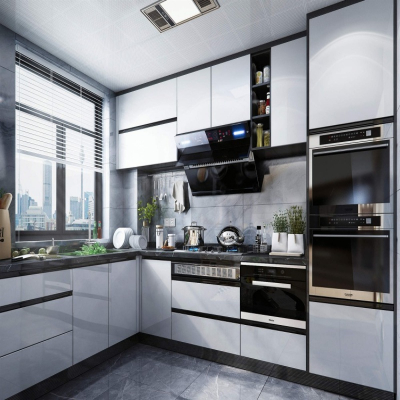
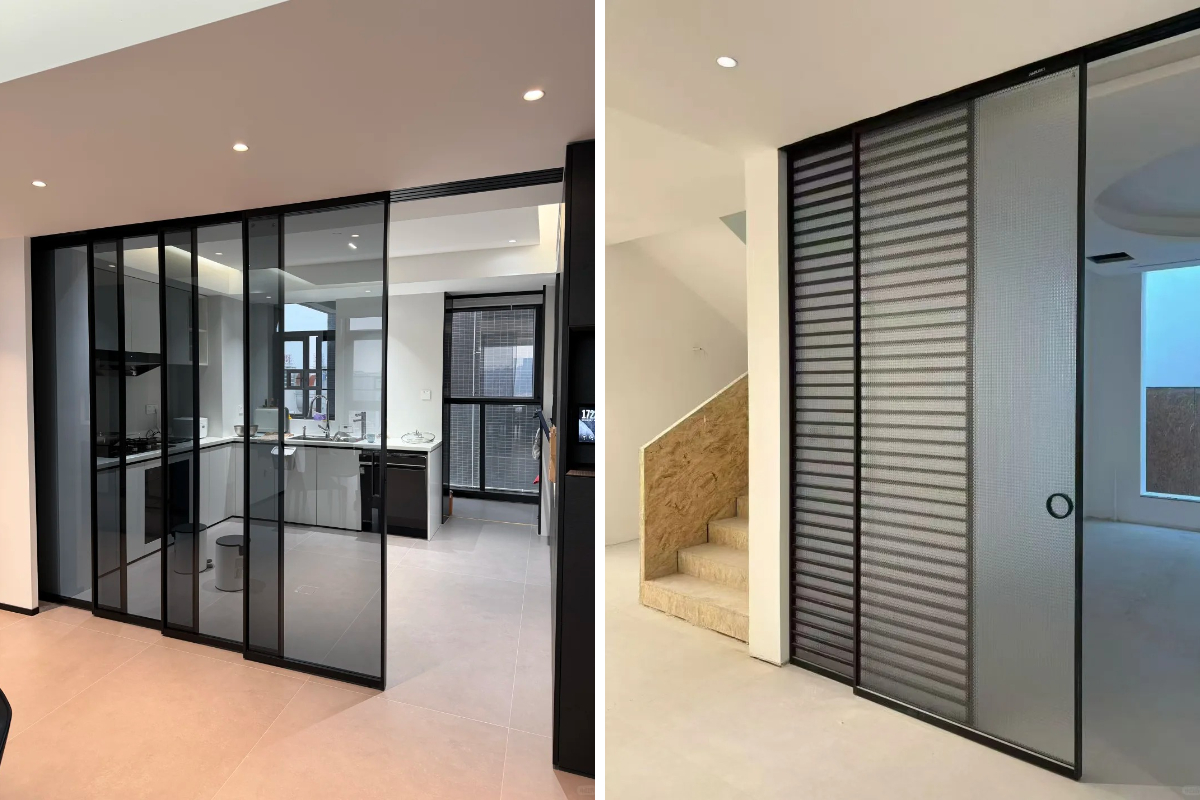
In luxury residential architecture, the kitchen has evolved into a social hub. However, managing cooking odors and noise without isolating the chef from family or guests has always been a design challenge. Sleek glass partitions function as elegant room dividers between the kitchen and the living room. When entertaining, the doors slide completely open to form a unified, expansive entertainment space. When preparing meals, closing the doors traps steam and aromas instantly while maintaining visual continuity through clear or tinted glass panels.
Executive Corporate Offices and Meeting Rooms
In commercial real estate, corporate headquarters and high-end law firms require interior environments that project transparency, prestige, and discretion. Slim-profile glass dividers are widely utilized to construct executive offices and conference rooms. They maximize the distribution of perimeter natural light into interior corridors, reduce artificial lighting energy costs, and provide the necessary acoustic isolation for confidential board meetings.
Serene Residential Living Rooms and Studies
Within luxury penthouses and bespoke villas, sliding glass systems serve as sophisticated transitions between formal living areas and private home studies or libraries. Textured options, such as fluted glass or frosted finishes, introduce visual depth and controlled privacy while maintaining a luminous, uncluttered aesthetic across the residence.
4. Customization and Aesthetic Versatility for Global Designers
Every high-end architectural project possesses unique design narratives. Consequently, rigidity in manufacturing is obsolete. Modern production ecosystems now offer extensive customization parameters to meet strict aesthetic blueprints.
Tailored Glass Finishes
Designers can select from an array of architectural glass treatments depending on the desired ambiance:
Ultra-Clear Tempered Glass: Maximizes light transmission and crystal-clear visibility.
Fluted / Reeded Glass: Introduces subtle texture, diffusing light while obscuring direct sightlines for sophisticated privacy.
Frosted or Smart Switchable Glass: Offers instant electronic transition from transparent to opaque configurations.
Harmonious Metal Finishes
The surrounding aluminum frames can be surface-treated through advanced anodizing or powder coating techniques. Popular luxury finishes include matte black for stark modern contrast, titanium gray for industrial elegance, and champagne gold or brushed bronze for warm, opulent interiors.
5. Future Outlook: Why Quality and Compliance Matter for B2B Buyers
As the market for luxury architectural hardware matures, global B2B procurement managers and real estate developers face heightened scrutiny regarding building safety regulations, environmental sustainability, and long-term durability. Sourcing from certified manufacturers equipped with automated production lines, rigorous QA/QC protocols, and secure export packaging guarantees that large-scale projects comply with international standards.
Conclusion
The rapid ascent of modern glass sliding doors in 2026 underscores a permanent shift toward intelligent, light-filled, and flexible architectural design. By combining aerospace-grade structural stability, acoustic engineering, and customizable visual elegance, these systems transcend traditional doors to become defining elements of modern luxury living. For developers and designers seeking to elevate their next portfolio of projects, investing in precision-engineered sliding solutions represents a definitive commitment to timeless quality and functional excellence.