How Much Do Custom Kitchen Cabinets Cost for a Project?
Foreword
Navigating the financial scope of a high-end architectural project requires a precise understanding of material grades, engineering methods, and global supply chain dynamics. For real estate developers, general contractors, and luxury hospitality procurement managers, budgeting for modern kitchen cabinets involves balancing upfront manufacturing expenses with long-term durability and aesthetic return on investment.
Understanding the Financial Landscape of Custom Cabinetry
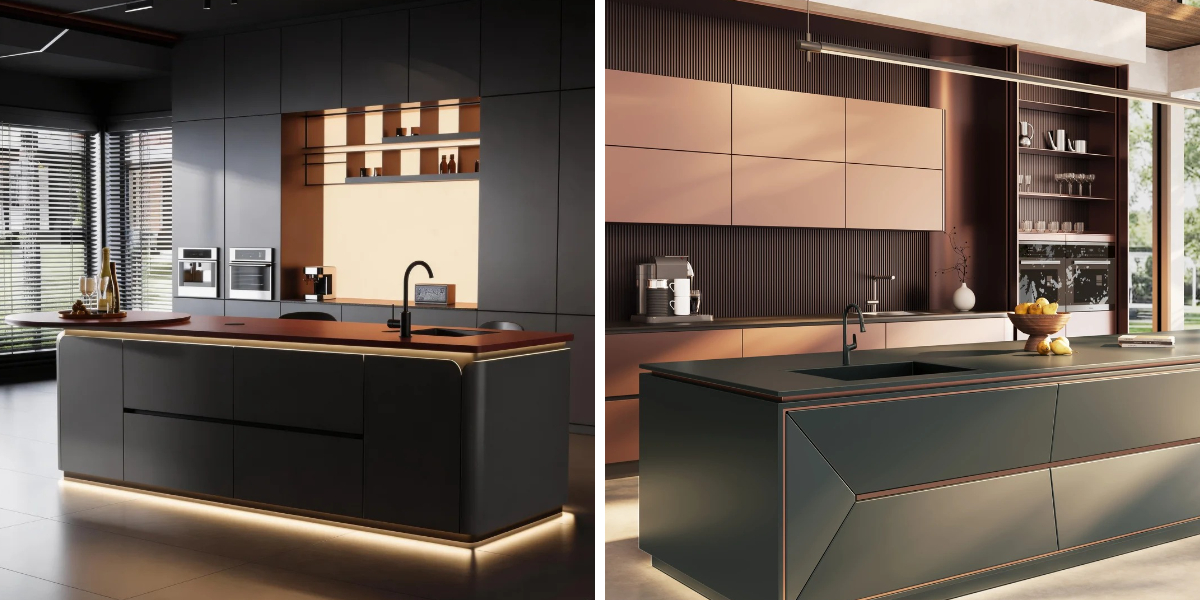
When sourcing architectural storage solutions internationally, understanding the true financial breakdown is critical for project margin management. Unlike off-the-shelf stock units, custom installations are engineered to match exact spatial dimensions, non-standard wall angles, and complex architectural blueprints.
The investment scale typically fluctuates based on three primary pillars: structural material selection, hardware integration tier, and production volume. High-end procurement demands components that withstand rigorous commercial usage while preserving a refined visual appeal. By leveraging advanced manufacturing technologies, B2B buyers can optimize expenditures without compromising on luxury finishes or structural longevity.
Cost Breakdown by Material and Core Substrates
The foundation of any pricing model begins with the raw core materials utilized in cabinet box construction and door fabrication.
Standard Engineered Substrates: Plywood and standard medium-density fiberboard (MDF) represent the entry-level tier for commercial developments, offering cost-effective volume manufacturing.
Eco-Friendly High-Density Boards: Upgrading to ENF and E0-compliant substrates increases material costs marginally while satisfying strict international indoor air quality and environmental regulations.
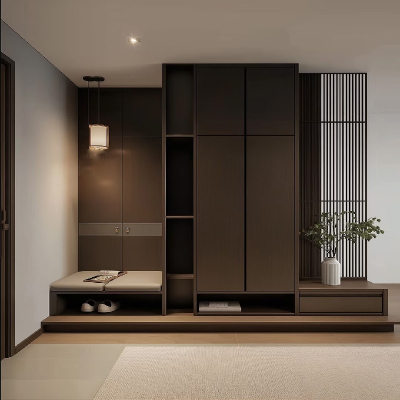
Custom Wardrobe and Millroom Integration: Incorporating matching walk in wardrobe design elements across multi-room residential packages allows developers to streamline material supply and optimize total project budgets.
The Financial Impact of Manufacturing Technology
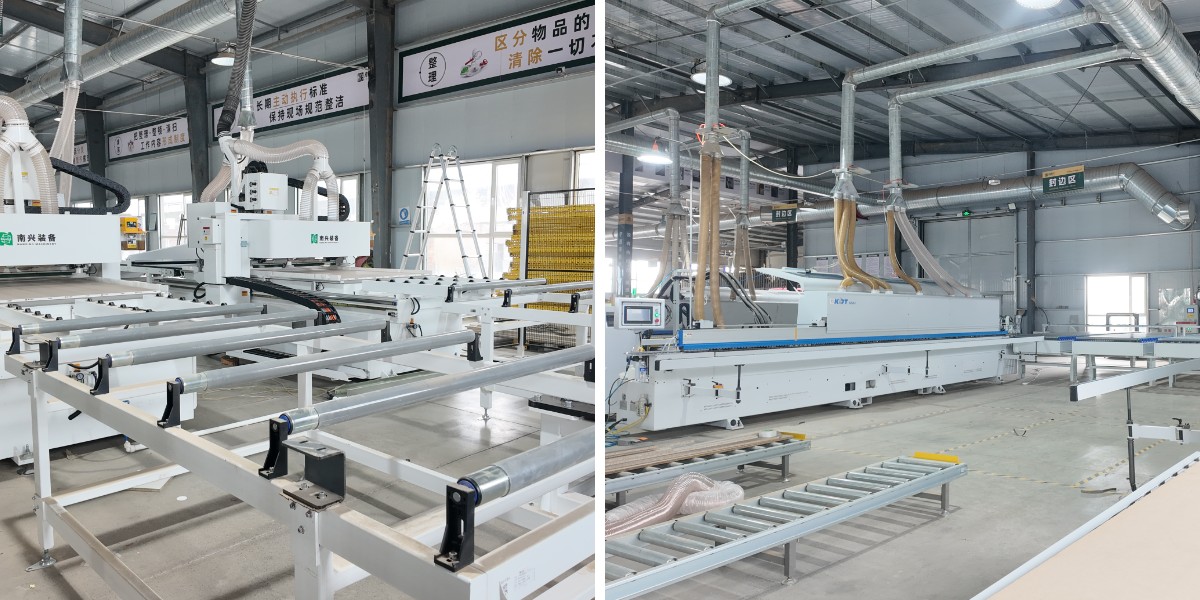
Production methodology directly dictates both unit pricing and long-term maintenance liabilities. Traditional manual assembly methods often result in hidden expenses due to dimensional inconsistencies and human error on-site.
CNC Precision Engineering: Utilizing automated CNC nesting machines ensures micron-level accuracy, eliminating costly on-site trimming adjustments and reducing material waste.
PUR Edge-Banding Investment: Advanced polyurethane reactive (PUR) edge-sealing technology commands a higher initial production cost than standard EVA glue, but it completely eliminates moisture-induced peeling and warranty claims over the lifecycle of the building.
Hardware Integration and Tiered Pricing
Hardware mechanisms dictate the tactile experience and operational lifespan of kitchen cabinetry. Specifying high-end functional components influences the overall project budget in distinct ways:
Standard Hardware Solutions: Basic soft-close hinges and standard drawer slides offer reliable daily functionality for standard residential housing developments.
Global Premium Brands: Integrating heavy-duty under-mounted slides and soft-close systems from internationally trusted names like Blum and Tutti introduces a moderate cost increase that significantly elevates the perceived luxury value for prospective property buyers or hotel guests.
Volume Scaling and Direct-From-Factory Advantages
Procuring cabinets directly from specialized, full-scale automated factories eliminates multi-tiered distributor markups.
Tiered Volume Discounts: Large-scale real estate developments benefit from significant per-unit cost reductions as production volume scales across multi-unit apartment complexes.
Whole-House Architectural Solutions: Expanding procurement contracts to include comprehensive custom bathroom vanities alongside kitchen and storage orders maximizes container consolidation and minimizes international freight overhead.
Strategic Budgeting for B2B Procurement Success
Securing the optimal financial balance for a kitchen cabinetry project requires aligning architectural vision with factory capabilities. By prioritizing automated manufacturing precision, certified eco-friendly materials, and reliable hardware integration, developers can achieve superior cost-efficiency and secure long-term asset value across competitive real estate markets.