Modern Interior Doors: Elevating Luxury Home Design
Discover how modern interior doors transform luxury home design. Explore acoustic privacy, minimalist aesthetics, and custom architectural integration.
In the architecture of luxury residential properties, every threshold tells a story. While exterior facades command initial attention, it is the interior architectural elements—most notably interior doors—that define the tactile and visual rhythm of daily life within the home. For elite property developers, visionary architects, and interior designers, selecting and positioning these portals goes far beyond functional room division; it is an exercise in crafting spatial transitions that balance acoustic privacy, minimalist aesthetics, and structural continuity.
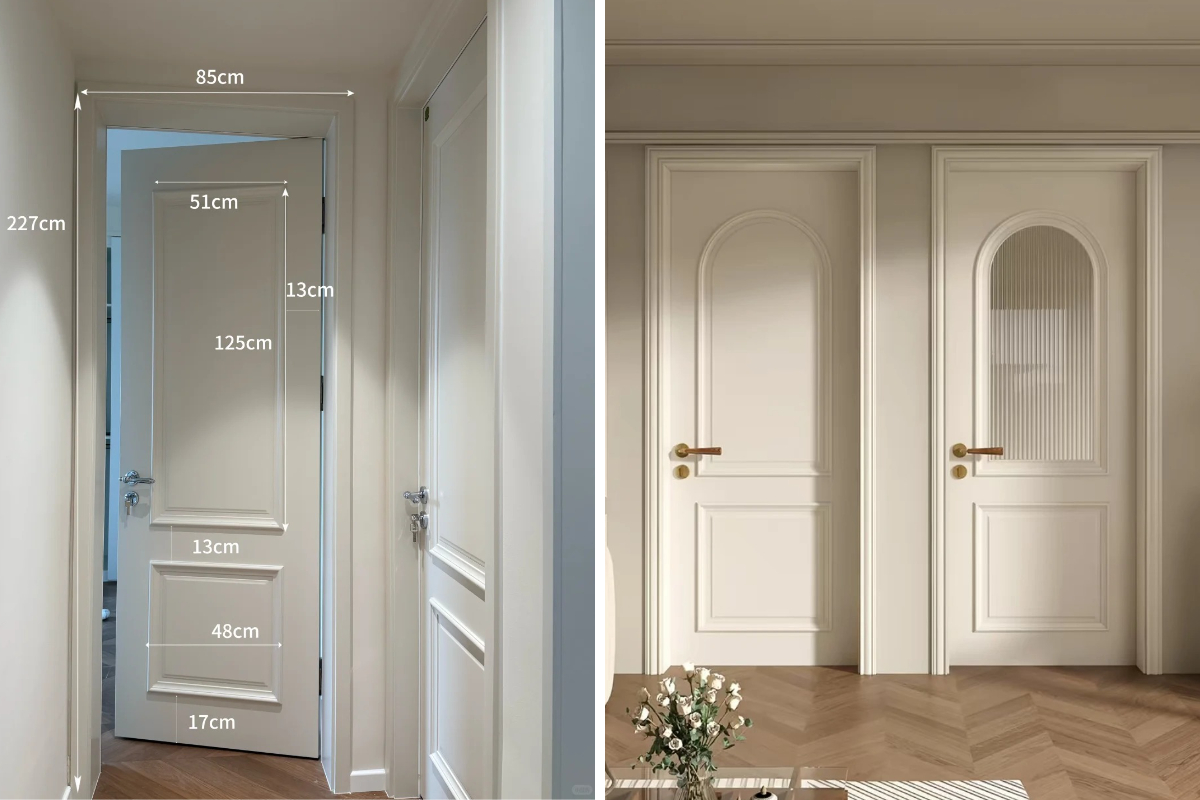
The Architectural Shift Toward Full-Height Openings
Traditional residential construction often utilized standard-height openings framed by heavy architraves. Contemporary high-end design, however, favors a much cleaner, more expansive architectural vocabulary.
Maximizing Vertical Scale and Light
Floor-to-ceiling modern interior doors have become a defining hallmark of modern luxury residences. By extending the vertical plane from the finished floor to the ceiling line, these doors draw the eye upward, creating an illusion of heightened volume and grandeur. Furthermore, when executed with frameless or concealed jamb designs, they allow natural light to filter smoothly between rooms, dissolving rigid barriers without compromising spatial organization.
Seamless Wall Integration and Concealed Frames
The modern aesthetic demands minimal visual disruption. Advanced pivoting hinges and flush-mounted frames enable doors to sit completely flush with adjacent wall paneling. Whether finished in matching wood veneers, micro-textures, or specialized lacquers, these doors virtually disappear into the surrounding architecture when closed, maintaining an unbroken surface flow throughout the private suite.
Acoustic Engineering and Material Excellence
In high-end architectural environments, visual elegance must be matched by uncompromised acoustic performance. Sound attenuation is critical for private retreats, home offices, and master suites.
High-Density Substrates and Sound Mitigation
To achieve superior acoustic privacy, premium interior doors utilize high-density engineered wood cores and heavy internal structures. Unlike hollow-core alternatives, these robust panels effectively absorb and block sound transmission, ensuring that private zones remain sanctuaries of quietude despite active surrounding living spaces.
Tactile Finishes and Hardware Integration
The tactile interaction with a doorway sets the tone for entering a room. Magnetic latches, concealed soft-closing dampeners, and heavy-duty pivot systems ensure an effortless, silent swing operation. Paired with minimalist matte black, brushed brass, or satin nickel hardware, these details elevate the everyday physical experience of the home.
Harmonizing with Overall Millwork and Interior Design
An interior door should never exist in isolation; it must act as a connective bridge that ties the entire interior design narrative together.
Coordinating Textures Across Living Zones
By aligning the finish, grain orientation, and color palette of the doors with surrounding custom cabinetry and built-in wardrobes, designers establish a cohesive visual language. This meticulous coordination prevents stylistic fragmentation, ensuring that transitioning from a grand living hall into a private bedroom feels entirely intentional and harmonious.
Customization for Complex Architectural Layouts
Every luxury residence presents unique spatial proportions. Custom-engineered dimensions allow doors to be tailored precisely to non-standard widths and heights, accommodating thick partition walls, angled corridors, and specialized sliding or pocket configurations without sacrificing structural rigidity.
Long-Term Value and Durability
Investing in elite architectural components ensures that a property maintains its aesthetic and functional integrity over decades of use.
Resistance to Warping and Environmental Stress
High-end manufacturing processes utilize precision CNC cutting and moisture-resistant edge sealing to protect timber cores from humidity shifts and seasonal temperature variations. This prevents binding, sagging, or edge-banding failure, ensuring smooth, reliable operation year after year.
Enhancing Global Real Estate Appeal
Discerning international buyers recognize the subtle distinction between standard off-the-shelf joinery and bespoke architectural elements. Integrating premium interior doors signals uncompromising craftsmanship, significantly enhancing the overall market valuation and prestige of luxury residential developments.
Conclusion
Interior doors are far more than functional barriers between rooms; they are essential design instruments that shape the acoustic comfort, visual rhythm, and spatial flow of a luxury home. By embracing full-height proportions, seamless concealed framing, and rigorous material durability, architects and developers can transform essential structural thresholds into defining statements of modern elegance.