Plywood vs. MDF: Choosing the Right Substrate for Interior Fit-outs
Compare Plywood vs. MDF for luxury interior fit-outs. Discover expert insights on durability, moisture resistance, and performance for custom architectural millwork.
In the realm of high-end architectural millwork and custom cabinetry, the hidden components often dictate the ultimate success of a project. While the visual finish—the veneer, laminate, or lacquer—captures the eye, the choice of core substrate (the base material) determines the longevity, structural integrity, and long-term performance of the installation. For international procurement managers, architects, and fit-out contractors, understanding the fundamental differences between Plywood and MDF (Medium Density Fiberboard) is critical when sourcing for luxury residential or commercial projects. As projects move toward more complex, floor-to-ceiling designs and moisture-prone interior environments, the "Plywood vs. MDF" debate is more relevant than ever. This guide provides a technical breakdown of these two materials to help B2B buyers make informed decisions based on project requirements. Plywood is engineered by bonding multiple thin layers of wood veneer (plies) at right angles to one another. This "cross-graining" technique provides exceptional strength and dimensional stability. Key Advantages: High Screw-Holding Capacity: Ideal for areas requiring heavy-duty hardware integration, such as large heavy doors or multi-tier cabinetry. Superior Structural Rigidity: Highly resistant to bowing and twisting, making it the preferred choice for wide-span shelving and long structural wall panels. Weight-to-Strength Ratio: Generally lighter than MDF, which is an important consideration for shipping and on-site handling in high-rise villa or apartment projects. MDF is produced by breaking down hardwood or softwood residuals into wood fibers, combining them with resin and wax, and forming panels under high temperature and pressure. Key Advantages: Exceptional Surface Uniformity: The lack of grain allows for an ultra-smooth finish, making it the premier substrate for high-gloss, lacquer, or intricate CNC-routed designs. Stability in Machining: MDF does not splinter when cut or routed, allowing for the creation of precise, complex edges and decorative fluted panels. Cost-Efficiency: Generally more economical, providing a robust solution for standard interior casegoods that do not require maximum structural load-bearing. Choosing the correct core material depends entirely on the specific application and environmental conditions of the interior space. For Moisture-Prone Environments: While both materials should be treated with waterproof PUR edge sealing, marine-grade Plywood is inherently more resistant to the degrading effects of sustained humidity than standard MDF. For High-Frequency Hardware Usage: If the design involves heavy-cycle doors or large drawers with Blum/Hafele hardware, Plywood is the superior choice to prevent hinges from pulling out of the substrate over years of use. For Aesthetic Minimalism: If the interior design mandate requires perfectly flat, high-gloss surfaces without any trace of grain texture, MDF is the indispensable choice for a flawless finish. Regardless of whether your project specifications favor Plywood or MDF, the manufacturing process remains the primary determinant of quality. Professional export-oriented facilities must adhere to strict benchmarks: 1.Formaldehyde Emission Control: Ensure all substrates are E0 or CARB P2 certified to guarantee healthy indoor air quality. 2.Moisture Balancing: Factories must calibrate material moisture content (MC) to align with the destination country’s climate—this is the most effective preventative measure against seasonal substrate movement. 3.Edge Sealing Technology: Regardless of the substrate, the use of PUR (Polyurethane) hot-melt adhesive is non-negotiable for sealing exposed edges to prevent humidity ingress. There is no "one-size-fits-all" solution in architectural substrate selection. The most successful luxury interior projects are those that strategically mix materials: utilizing Plywood for load-bearing structural frames and MDF for high-visual-impact surface elements. By working with a manufacturing partner that offers deep technical consultation on material selection, international buyers can achieve a balance of performance, aesthetic perfection, and cost-effectiveness. Answer: Yes. Plywood offers superior structural rigidity and screw-holding capacity, making it better for load-bearing wall systems and large-scale architectural cladding. Answer: Edge-banding adhesive prevents moisture from entering the core. PUR adhesive offers significantly higher water resistance and heat tolerance than traditional EVA glue, which is vital for long-term substrate protection in kitchens and bathrooms. Answer: MDF is the industry standard for CNC-routed fluting or intricate decorative patterns because it has a uniform density and no grain, ensuring perfectly smooth edges after machining. Answer: Always request the material’s technical data sheet (TDS) and environmental certification (E0/CARB P2). Reputable manufacturers will also provide a factory inspection report detailing the moisture content and density profile of the batch before shipping.The Foundation of Architectural Excellence
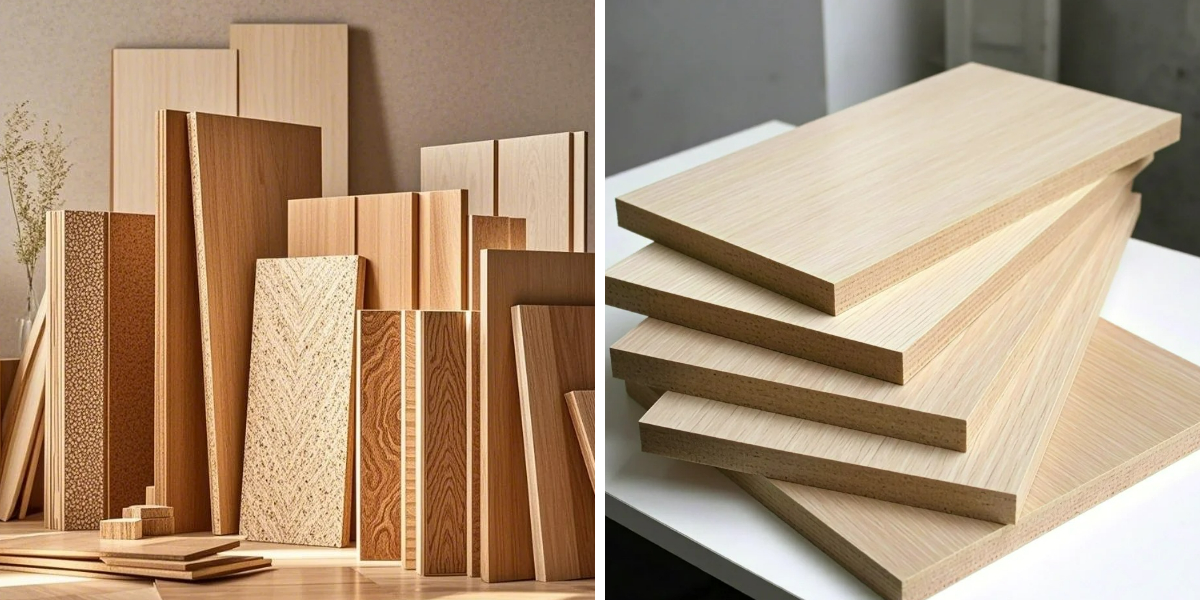
Technical Analysis: Plywood vs. MDF
1. Plywood: The Structural Powerhouse
2. MDF: The Precision Surface Specialist
Selecting the Right Substrate for Your Project
Quality Assurance in Global Millwork Sourcing
Conclusion: Strategic Sourcing for B2B Success
Frequently Asked Questions (FAQ)
Q1: Is Plywood stronger than MDF for custom wall paneling?
Q2: Why is the choice of edge-banding adhesive important for these substrates?
Q3: Which material is better for complex CNC-routed patterns?
Q4: How can procurement managers ensure the quality of the substrate they are sourcing?