B2B Custom Cabinets Sourcing: Key Strategies for Wholesalers
Discover expert B2B strategies for sourcing custom cabinets. evaluate manufacturers and scale wholesale margins safely.
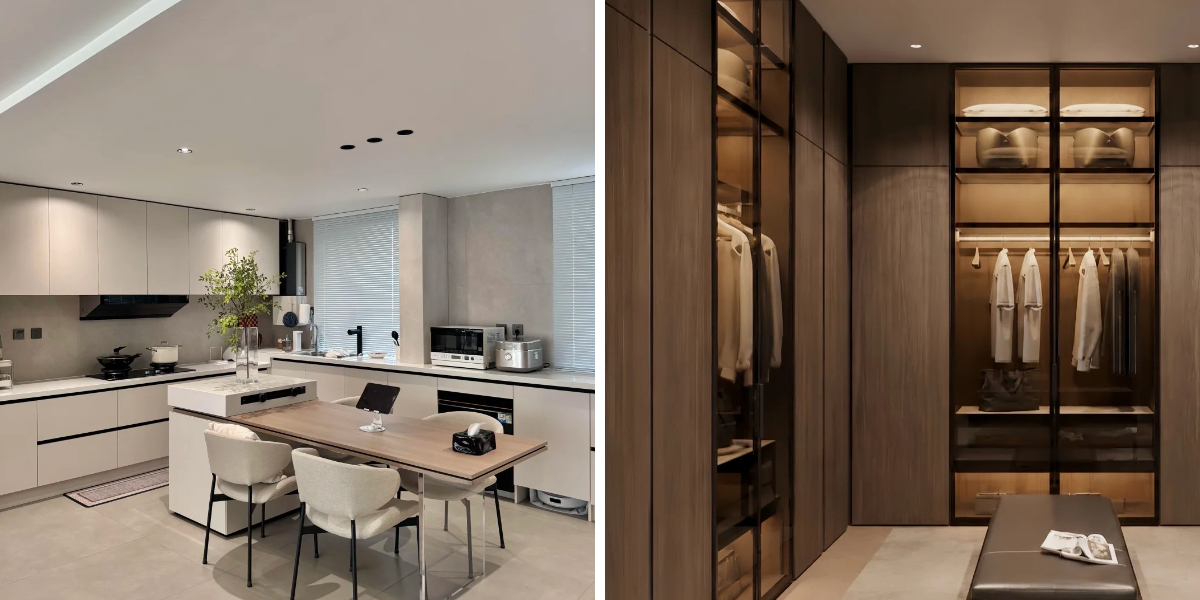
Navigating Global Procurement in the Millwork Sector
The procurement of architectural millwork and casework for multi-family residential developments, hospitality builds, and large-scale real estate projects represents a complex logistical and technical challenge. For global wholesalers, importers, and general contractors, securing a reliable manufacturing partner is no longer just about transactional unit pricing. Modern commercial procurement requires deep supply chain visibility, rigorous quality control frameworks, and strict compliance with international environmental benchmarks. As urban real estate demands higher aesthetic sophistication and uncompromising structural durability, wholesale buyers must adopt structured methodologies to identify, vet, and manage overseas production facilities.
Effective global sourcing requires a systematic approach to technical evaluation, production capacity auditing, and logistical alignment. By moving away from superficial vendor selection and implementing rigorous auditing protocols, B2B buyers can mitigate supply chain vulnerabilities, protect project margins, and ensure long-term client satisfaction across diverse international markets.
1. Defining Technical Specifications and Material Compliance
The foundation of any successful custom cabinets supply contract lies in the precise definition of technical parameters. Unlike standard consumer retail purchases, commercial developments require strict adherence to engineering standards, structural load capacities, and environmental certifications.
Material Selection and Core Substrates
Wholesalers must look beyond surface aesthetics and evaluate core structural integrity. Premium projects demand high-density engineered wood substrates—such as Plywood and high-grade MDF—that offer superior dimensional stability compared to traditional lumber under fluctuating climatic conditions. Furthermore, projects specifying specialized components often rely on high-grade metallic reinforcements, such as Grade 304 stainless steel, to prevent corrosion in demanding environments like coastal developments or commercial utility zones.
Environmental Certifications and Emission Standards
Regulatory compliance is a critical non-negotiable factor in international trade. Commercial buyers must verify that manufacturing partners comply with stringent global emission frameworks, such as E0, CARB Phase 2, and ENF standards. Requesting certified third-party laboratory testing reports for formaldehyde emissions ensures that the supplied millwork meets the strict indoor air quality mandates required for modern residential and institutional buildings, protecting developers from costly liabilities and project delays.
2. Auditing Manufacturing Capabilities and Factory Automation
Evaluating a manufacturing partner's physical infrastructure is essential to determine whether their production capacity can support large-scale, time-sensitive commercial rollouts.
Advanced Machining and Production Precision
Modern automated production lines have transformed the millwork industry, replacing manual craftsmanship with absolute digital precision. Wholesalers should prioritize factories equipped with state-of-the-art machinery:
Automated CNC Nesting Machinery: Optimizes raw material yield while cutting complex geometric panels with exact tolerances.
Six-Sided Drilling Systems: Executes precise dowel and hardware boring across multiple panel faces in a single pass, eliminating assembly misalignment.
Full-Scale Edge-Banding Lines: Ensures moisture-resistant, seamless thermal bonding of PVC or ABS edges to protect core substrates against humidity.
Quality Control and Batch Consistency
In multi-family real estate projects where hundreds of identical units are installed simultaneously, batch-to-batch color and finish consistency is paramount. A credible manufacturing partner implements rigorous 5S factory management standards and multi-stage quality checkpoints—from raw material inspection to pre-shipment trial assembly—to guarantee that every individual box conforms to approved shop drawings.
3. Supply Chain Risk Management and Logistics Optimization
Sourcing millwork internationally involves navigating complex maritime freight, customs clearance, and on-site delivery schedules. A disruption at any stage can trigger cascading financial losses for real estate developers.
Flat-Pack Engineering and Modular Logistics
To optimize shipping container utilization and minimize international freight costs, suppliers must excel in Knocked-Down (KD) or flat-pack engineering. Cabinets must be designed for secure, compact packaging with reinforced corner protections and clear labeling systems. This modular approach reduces volumetric shipping weight while safeguarding fragile components, such as high-gloss or matte finished panels, against transit abrasion.
Lead Time Forecasting and Contingency Planning
Wholesalers must establish transparent lead-time agreements that account for seasonal port congestion, customs inspections, and peak manufacturing cycles. Building buffer periods into project milestone schedules ensures that on-site installation teams receive casework precisely when needed, avoiding costly job-site idle time.
Frequently Asked Questions (FAQ)
Q:What criteria should wholesalers use to evaluate a manufacturing partner's production capacity?
A:Wholesalers should evaluate factory floor space, machinery automation level (such as CNC nesting centers and automated edge-banders), daily output volume, and the size of the technical engineering team. Requesting case studies of past commercial projects and third-party factory audit reports provides a reliable baseline for assessing industrial scale.
Q:How can international buyers ensure strict color and finish consistency across large bulk orders?
A:Consistency is maintained by working with suppliers who utilize digitized spectrophotometers for color matching, maintain strict controlled-environment finishing booths, and produce master color sample sign-offs prior to mass production. Additionally, reserving complete material batches for a single project prevents tonal variations between shipments.
Q:What packaging standards are required to prevent transit damage during ocean freight?
A:Export-grade packaging typically involves multi-layer protection: inner EPE foam sheets, reinforced corrugated cardboard boxes, corner edge protectors, and external strapping secured onto fumigated wooden pallets. For fragile components or high-end matte finishes, scratch-resistant protective films are applied to guard against humidity and friction during long maritime voyages.
Q:How do I request custom engineering samples and technical documentation for project bidding?
A:Global B2B buyers can initiate the procurement process by submitting architectural CAD floor plans and project specifications directly to the engineering team. Professional manufacturers typically provide preliminary 3D renderings, material sample kits, and comprehensive quotation sheets to support contractor bidding and architectural approval workflows.
Secure Your Supply Chain Today
Elevate your project margins and ensure absolute structural reliability for your upcoming commercial developments. Contact our engineering team today to request comprehensive technical data sheets, physical material sample boxes, and a customized wholesale quotation tailored to your architectural specifications.